
Lanzhou: Gateway City on the Yellow River in Northwest China
Overview of Lanzhou, the capital of Gansu province: geography, history, economy, transport links, culture and notable sites, with context on its role on the Silk Road and modern China.
Overview
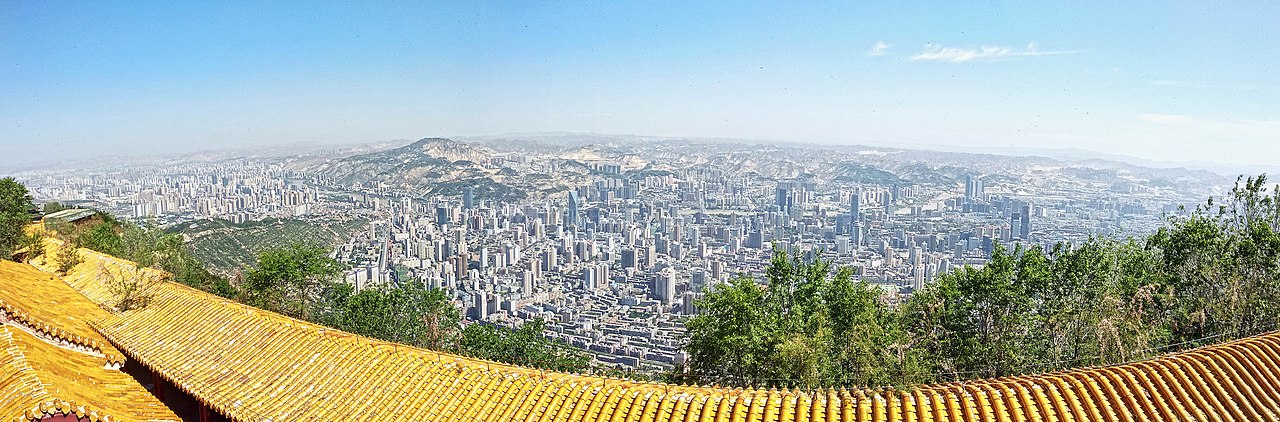
Lanzhou is the capital and largest city of Gansu province in northwest China. It lies along a notable bend of the Yellow River, which runs through the urban area and has strongly shaped the city's layout and economy. As recorded in the 2010 national census, the municipality had about 3.6 million residents, with roughly 2.2 million people living in the built-up urban area.
Image gallery
10 Images




Geography and climate
The city occupies a corridor between surrounding mountains and the Yellow River plain, making it a natural transport and communication node. Lanzhou's climate is broadly continental and semi-arid: winters are cold and dry while summers are warm with limited rainfall. Local geography and occasional dust from nearby deserts contribute to air quality challenges, especially in certain seasons.
History and development
Lanzhou's location has given it strategic importance for centuries. It served as a key stopping point on routes connecting central China with the northwest and with Central Asia, often described in modern terms as part of the historical Silk Road network. Over time the city developed as a regional administrative center and later as an industrial hub under 20th-century economic planning.
Economy and transport
The city's economy combines industry, services and transport. Major sectors include petrochemicals, machinery and food processing, supported by universities and research institutions such as Lanzhou University. Lanzhou is a transport hub for rail and road routes that traverse the Hexi Corridor and link eastern China with western provinces. Air travel is served by regional airports and long-distance rail connections continue to be important for freight and passengers.
Culture, cuisine and notable sites
Lanzhou is culturally distinctive within northwest China and is known across China for its hand-pulled beef noodle soup, commonly called Lanzhou beef noodles. Notable urban landmarks include the historic Zhongshan (Iron) Bridge over the Yellow River, hilltop parks like the White Pagoda area, and museums that present Silk Road and local ethnic histories. The riverfront and nearby mountain scenery provide recreational space for residents and visitors.
Characteristics and distinctions
- Strategic location: a historical gateway between central China and the interior northwest.
- River city: the Yellow River bisects the urban area, influencing settlement and transport.
- Culinary fame: origin point for a widely known Chinese noodle dish.
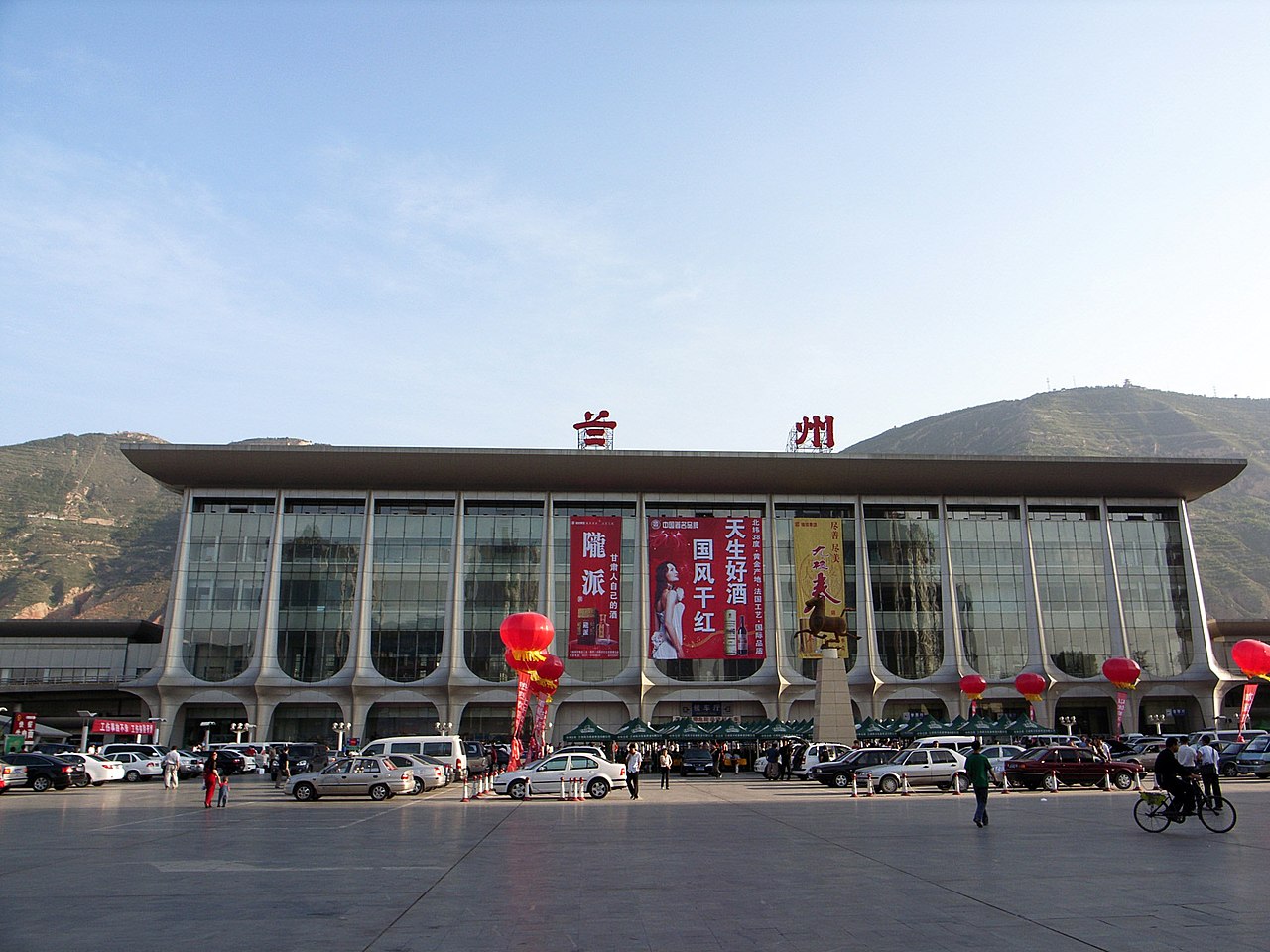
For names and pronunciation in Chinese characters see the city's Chinese form: 兰州. Lanzhou continues to balance its historical role as a corridor city with contemporary development pressures, environmental management, and efforts to diversify its economy.
Questions and answers
Q: What is Lanzhou?
A: Lanzhou is the capital and largest city of Gansu in Northwest China.
Q: How many people lived in Lanzhou according to the 2010 census?
A: According to the 2010 census, 3,616,163 people lived in Lanzhou.
Q: What is the population of Lanzhou's built-up area (urban) according to the 2010 census?
A: According to the 2010 census, 2,177,130 people lived in the built-up area (urban) of Lanzhou.
Q: What is the size of Lanzhou's built-up area (urban) according to the 2010 census?
A: The size of Lanzhou's built-up area (urban) according to the 2010 census is 1,088 square kilometers (420 sq mi).
Q: Where is Lanzhou located?
A: Lanzhou is located in Northwest China, in Gansu province.
Q: What is the Chinese name for Lanzhou?
A: The Chinese name for Lanzhou is 兰州.
Q: What is the postal map spelling for Lanzhou?
A: The postal map spelling for Lanzhou is Lanchow.
Related articles
Author
AlegsaOnline.com Lanzhou: Gateway City on the Yellow River in Northwest China Leandro Alegsa
URL: https://en.alegsaonline.com/art/55965