
LaPlace, Louisiana
LaPlace is a census-designated place in St. John the Baptist Parish, Louisiana, located on the east bank of the Mississippi River. It combines residential communities with river-oriented industry and regional history.
Overview
LaPlace is an unincorporated community and census-designated place in St. John the Baptist Parish, Louisiana, situated near the east bank of the Mississippi River. According to the 2010 census, the population was 32,134. The town functions largely as a suburban and service center for the river corridor that stretches between Baton Rouge and New Orleans.
Image gallery
5 Images


Geography and economy
LaPlace occupies low-lying land along the Mississippi and is part of Louisiana's River Parishes. Its location has shaped local economic activity: river transport, logistics, and facilities associated with the region's energy and chemical sectors are prominent, alongside retail and residential development. Much of the landscape is protected and managed by levees and flood-control infrastructure.
History and development
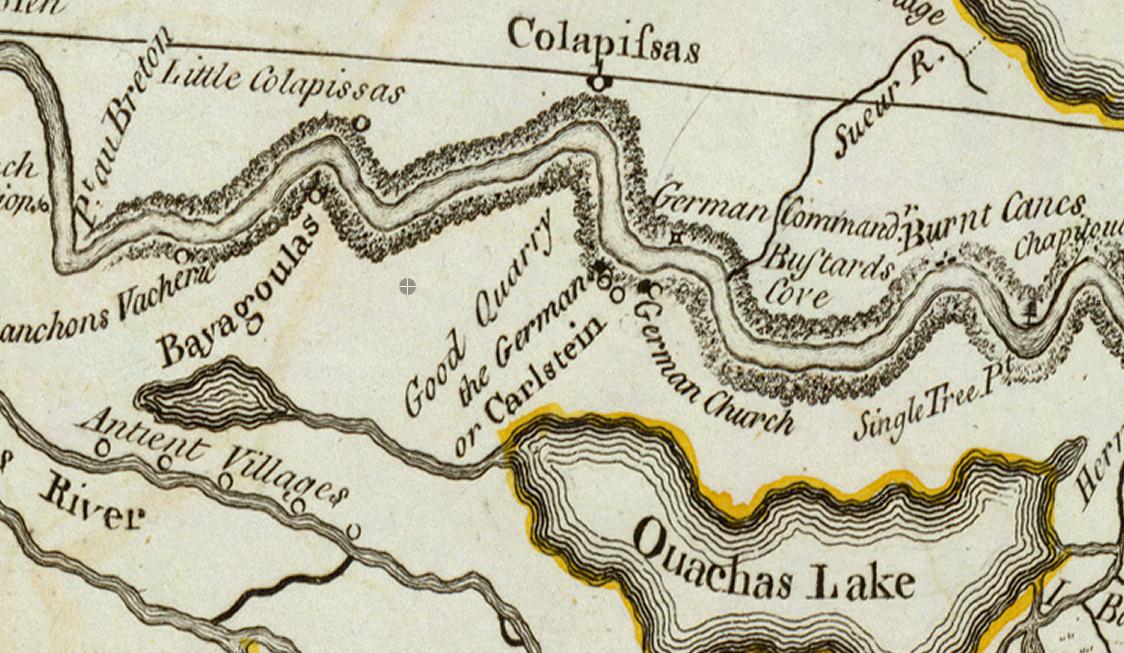
The area reflects the layered colonial history of southeastern Louisiana, with French and Spanish influences evident in place names and cultural traditions. Nearby plantation territory known as the "German Coast" was a center of early settlement and was associated with the 1811 slave uprising, one of the most significant slave revolts in U.S. history. Over the 19th and 20th centuries, LaPlace evolved from rural plantations to a more mixed economy tied to river commerce and industry.
Community and culture
Local culture blends Creole, Cajun, African American, and European traditions typical of the lower Mississippi Valley. This mixture appears in regional cuisine, religious life, parades and community gatherings. LaPlace also serves as a bedroom community for workers employed in the greater New Orleans and Baton Rouge metropolitan areas.
Notable aspects and challenges
LaPlace's riverfront position brings economic opportunity and recurring environmental challenges. The town is vulnerable to hurricanes and river flooding, which has influenced development patterns, emergency planning and investments in levees and drainage. Its unincorporated status means some services are provided at the parish level rather than by a municipal government.
Economy: main sectors
- River transport and logistics serving the Mississippi shipping network
- Industrial and energy-related facilities in the River Parishes
- Agriculture and food-related commerce historically tied to nearby plantations
- Retail, education and local services supporting residents
Related articles
Author
AlegsaOnline.com LaPlace, Louisiana Leandro Alegsa
URL: https://en.alegsaonline.com/art/55986
Sources
- books.google.com : Along the River Road: Past and Present on Louisiana's Historic Byway