
Lanzarote — Canary Island of Volcanoes, Art and Tourism
Lanzarote is a volcanic island in the Canary Islands known for stark lava landscapes, unique viticulture, César Manrique’s influence, protected parks and a tourism-driven economy.
Overview
Lanzarote is one of the islands that make up the Spanish Canary Islands. Located off the northwest coast of Africa, it is celebrated for its dramatic volcanic scenery, mild subtropical climate and a culture shaped by both its volcanic origin and human adaptation.
Image gallery
10 Images




Geography and geology
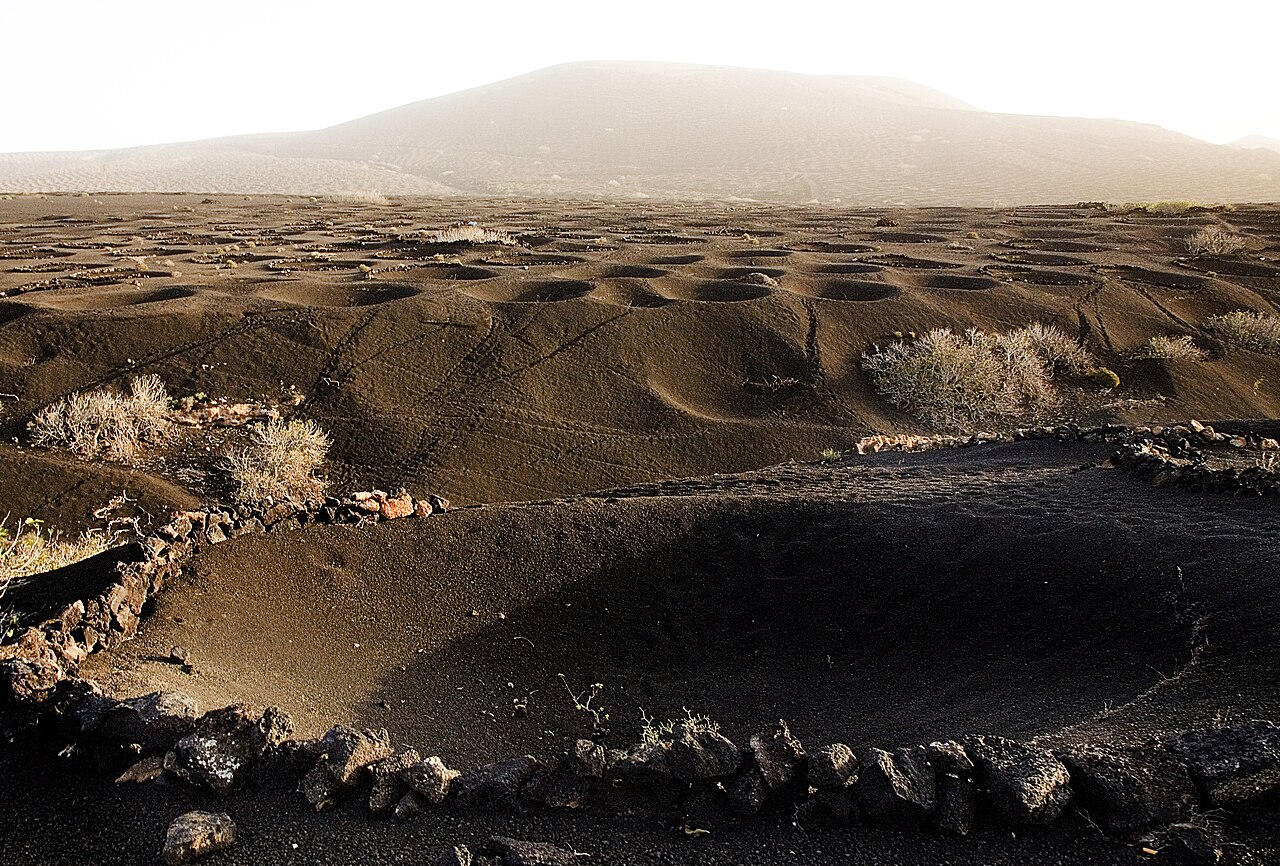
The island is volcanic in origin, dominated by lava fields, cones and black sand beaches. Large areas of hardened lava and scorched plains create a distinctive, almost lunar appearance. Timanfaya and surrounding zones preserve active geothermal features and extensive basaltic landscapes that attract scientific interest and visitors alike.
History and culture
Before European contact the island was inhabited by indigenous peoples related to the Guanches on other islands. After incorporation into the Crown of Castile, Lanzarote experienced changes in land use, settlement and economy. The 18th-century volcanic eruptions reshaped much of the island and influenced subsequent patterns of habitation. In the 20th century artist and architect César Manrique became influential in guiding sustainable development and protecting the island's character.
Economy and tourism
Tourism is the primary economic driver: visitors come for beaches, hiking, architecture and cultural attractions. Local products such as wine grown in volcanic soil and artisanal crafts complement the service sector. The main population and transport hub is Arrecife, which hosts the island's principal airport and ferry links to other islands.
Attractions and activities
- Timanfaya National Park — volcanic landscapes and geothermal demonstrations.
- La Geria — vineyards grown in volcanic ash, noted for their stone windbreaks.
- Cultural sites by César Manrique, including galleries, gardens and architecturally integrated spaces.
- Jameos del Agua and Cueva de los Verdes — lava tube formations adapted for visitor access.
Environment and notable facts
Parts of Lanzarote are protected and the island is recognized for balancing tourism with conservation. Building controls and design guidelines have helped preserve a low-rise, whitewashed architectural character. Marine and terrestrial habitats remain sensitive; ongoing conservation efforts focus on protecting endemic species, coastal waters and the island's volcanic heritage.
Related articles
Author
AlegsaOnline.com Lanzarote — Canary Island of Volcanoes, Art and Tourism Leandro Alegsa
URL: https://en.alegsaonline.com/art/55964
Sources
- aemet.es : "Guía resumida del clima en España (1981-2010)"