
Langeoog — German East Frisian island and car-free North Sea resort
Langeoog is a car-free East Frisian island in the German North Sea, noted for long sandy beaches, dunes, Wadden Sea habitats, seasonal tourism and ongoing coastal conservation.
Langeoog is one of the East Frisian Islands off the coast of Lower Saxony in the German North Sea. The island is roughly 10 kilometres long from east to west and covers about 20 square kilometres. A small resident population of around 2,000 people is augmented by seasonal visitors who come for bathing, walking and nature observation. Langeoog's sandy beaches extend for many kilometres and have made the island a popular destination for visitors seeking sea air, outdoor recreation and conservation-minded tourism.
Image gallery
9 Images




Geography and natural environment
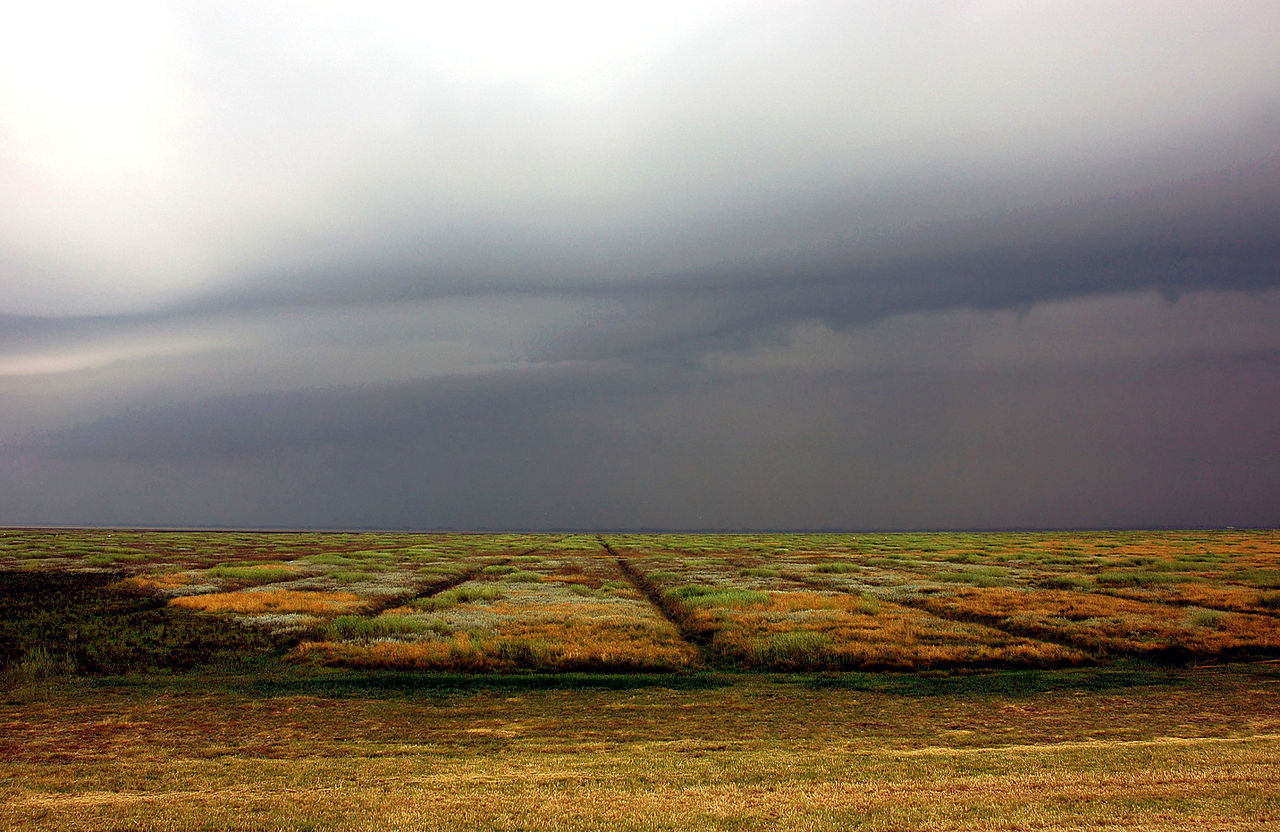
Langeoog lies at the seaward edge of the Wadden Sea, a tidal mudflat system of international importance. The island's landscape is shaped by broad beaches, dune ridges and inner salt-marsh areas. These shifting coastal forms are the product of tides, currents and wind-driven sand transport; dunes are actively managed to reduce erosion but the shoreline remains dynamic. Vegetation includes specialised dune grasses and salt-tolerant plants; the surrounding tidal flats and offshore waters support migratory and resident shorebirds as well as seals.
History and development
Human use of Langeoog has been linked to fishing, small-scale agriculture and maritime trades for centuries. From the 19th century onwards the island evolved into a seaside resort, with bathing, coastal health tourism and leisure becoming important to the economy. Over time island infrastructure developed to serve visitors while responding to natural coastal change: dune planting, seawalls and other protective measures have been used alongside more recent conservation approaches.
Access, settlement and services
Langeoog is notable for being largely car-free; motorised vehicles are restricted to essential services and some service operations. Visitors normally reach the island by ferry from the mainland harbour, and a small island railway links the landing area with the village. The compact village contains accommodation, shops, restaurants and spa facilities. Walking and cycling are the principal ways to move around, aided by a network of paths and cycleways.
Activities and attractions
- Long sandy beaches for sunbathing, swimming and beach sports.
- Guided mudflat walks (Wattwanderungen) at low tide to explore the tidal flats and birdlife.
- Birdwatching and seal-spotting opportunities, especially during migration seasons.
- Island museum and cultural events presenting local history and Frisian traditions.
- Dune trails, a promenade and facilities associated with its role as a North Sea spa resort.
Large areas of the Wadden Sea and adjacent coastal zones are protected under national park designations and international agreements; visitors are asked to observe rules designed to protect nesting birds, seals and fragile dune ecosystems. The island is an example of a place where recreational use and nature conservation are managed together, with seasonal restrictions and information offered to help minimise disturbance. Climate on Langeoog is temperate maritime, with mild winters, cool summers and frequent winds, so practical preparations for changeable weather are advisable when visiting.
Related articles
Author
AlegsaOnline.com Langeoog — German East Frisian island and car-free North Sea resort Leandro Alegsa
URL: https://en.alegsaonline.com/art/55878
Sources
- destatis.de : "Alle politisch selbständigen Gemeinden mit ausgewählten Merkmalen am 31.12.2018 (4. Quartal)" · web.archive.org
- www1.nls.niedersachsen.de : Landesbetrieb für Statistik und Kommunikationstechnologie Niedersachsen, 102 Bevölkerung - Basis Zensus 2011, Stand 31. Dezember 2015 (Tabelle K1020014)