
Lancia Dedra
Compact executive car produced by Lancia from 1989 until the late 1990s; built on Fiat's Type Three platform and available as saloon and estate with petrol Twin Spark and diesel options.
Overview
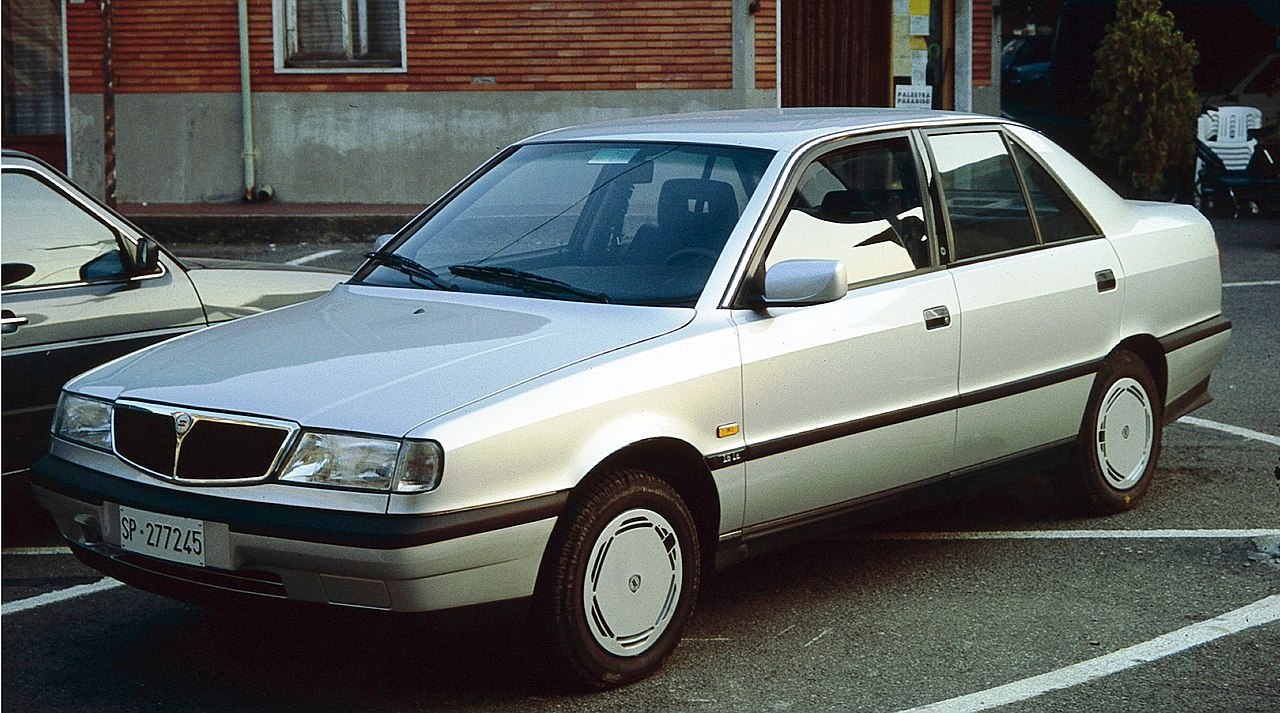
The Lancia Dedra is a compact executive car introduced by the Italian marque in the late 1980s. It was developed as Lancia's mid-size offering for the European market and served as the successor to the Lancia Prisma. The model entered production in 1989 and remained in Lancia's lineup through the 1990s before being succeeded by the Lancia Lybra. The Dedra is often described as a more refined, comfort-oriented alternative to mainstream family saloons of its era.
Image gallery
9 Images




Design and engineering
The Dedra was engineered on Fiat's Type Three platform, a shared architecture that underpinned several contemporaneous models within the Fiat Group. Although it used a common underpinnings, Lancia differentiated the Dedra with unique suspension tuning, trim levels and interior appointments to emphasize ride comfort and cabin refinement. Styling followed conservative, functional lines typical of late-1980s/early-1990s European saloons.
Body styles and equipment
Available primarily as a four-door saloon, the Dedra range was later expanded to include a station-wagon variant to meet demand for practical family transport. Trim levels ranged from basic family spec to more generously equipped versions offering features such as climate control, power accessories and, on later models, safety items like anti-lock braking and airbags. Lancia positioned the Dedra toward customers seeking a comfortable, well-appointed car rather than outright sporting performance.
Powertrains and drivetrains
The Dedra was offered with a selection of petrol and diesel engines during its production life. Petrol variants included multi-valve and Twin Spark units that balanced everyday drivability with modest performance, while diesel options ranged from conventional turbodiesels to later, more advanced common-rail designs introduced across the Fiat Group. Transmissions included manual and automatic choices to suit different buyer preferences.
Market role and legacy
Sold mainly across Europe, the Dedra competed in the compact executive sector against rivals from Germany, Britain and elsewhere. It is remembered for its comfort, pragmatic packaging and the relative sophistication of Lancia's interiors for the period. After production ended and the Lybra took its place, the Dedra remained of interest to enthusiasts and owners who value its ride quality and the parts commonality offered by the shared platform.
- Manufacturer: Lancia
- Type: Compact executive car
- Introduced: 1989
- Successor: Lancia Lybra (replacement around 2000)
For further technical details, historical context and model variations consult specialist sources and club archives that document production changes and regional specifications.
Related articles
Author
AlegsaOnline.com Lancia Dedra Leandro Alegsa
URL: https://en.alegsaonline.com/art/55769