
Lake Placid, New York — Adirondack village and two-time Winter Olympic host
Lake Placid is a village in New York's Adirondack Park known for Mirror Lake, winter sports, outdoor recreation and hosting the Winter Olympics in 1932 and 1980.
Overview
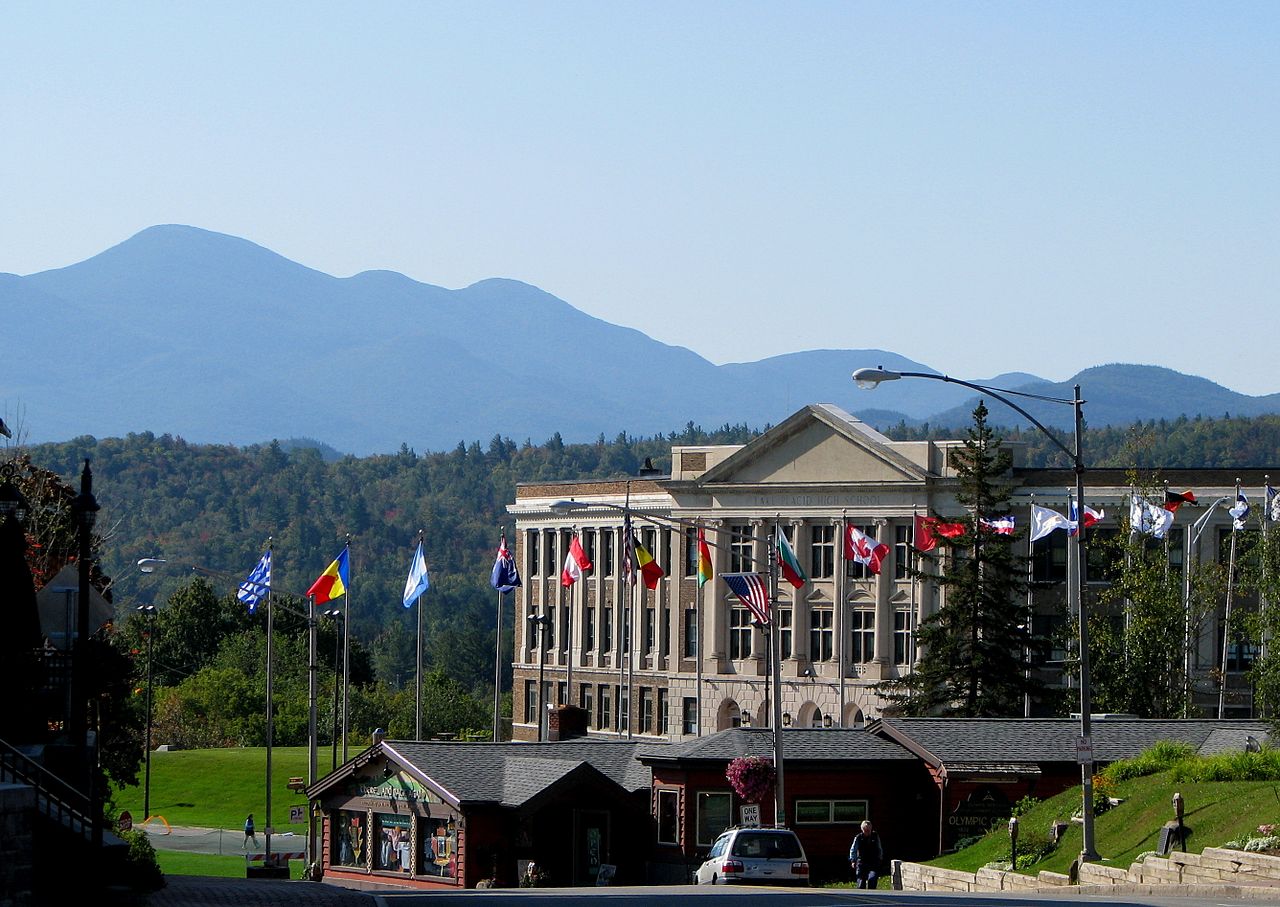
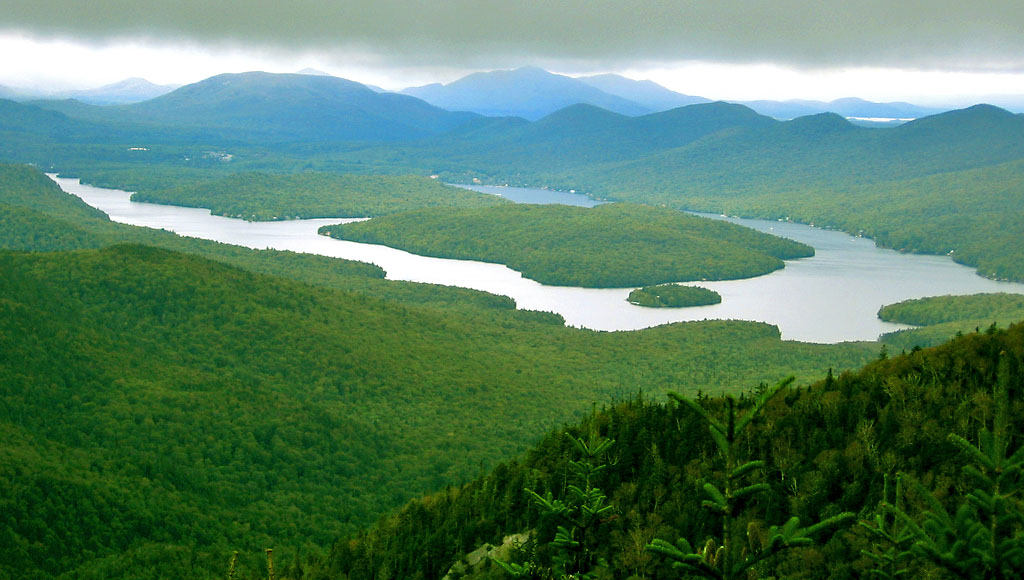
Lake Placid is a small village in the Adirondack Park region of upstate New York, situated beside Mirror Lake and near the larger Lake Placid. The community has a year-round population of about 2,600 and functions as a center for outdoor recreation, hospitality and sporting events. It is widely recognized as a mountain resort and training center for winter sports.
Image gallery
10 Images




Geography and environment
The village lies within the protected lands of the Adirondack Park, surrounded by forested hills and high peaks, including the nearby area of Whiteface Mountain and portions of the High Peaks region. Freshwater lakes, ponds and extensive trail systems shape local recreation and conservation priorities. Public and private lands are intermixed under park management, which aims to balance recreation, local livelihoods and ecological protection.
History and development
Settlement intensified in the late 19th century when prospectors and entrepreneurs came to the region in part to search for iron and other natural resources; for historical background see regional mining accounts history. Over time Lake Placid evolved from a resource and transport waypoint into a destination for summer and winter visitors. Hospitality, guiding services and outdoor recreation replaced extractive industries as principal economic drivers.
Winter Olympics and legacy
Lake Placid hosted the Winter Olympic Games in 1932 and again in 1980, events that left a lasting network of sporting venues, including ski jumps, a bobsled track and an ice rink complex. The 1980 Games produced the celebrated U.S. ice hockey victory often called the "Miracle on Ice." Olympic infrastructure continues to support training, public tours and international competitions, helping to sustain year-round visitation.
Recreation and visitor activities
The area is well known for downhill and cross-country skiing, snowboarding, ice skating, bobsled and skeleton experiences, hiking, paddling and lake-based leisure. Nearby Whiteface Mountain and other ski areas reinforce Lake Placid's role as a classic northeastern ski resort community. Seasonal festivals, historic sites and interpretive exhibits add cultural interest for visitors.
Transport, services and community life
Lake Placid is accessible by regional roads and public transportation connections that serve the Adirondack region. The village provides a range of lodging, dining and guiding services, and local organizations maintain museums, archives and seasonal programming that interpret both natural and sporting heritage. Community life blends year-round residents with seasonal workers and visitors.
Conservation and governance
Being inside the Adirondack Park means Lake Placid is influenced by broader conservation policies that regulate land use, development and resource management. Local government and regional agencies coordinate on planning, emergency services and tourism management to support residents while protecting scenic and ecological values.
Notable facts
- Lake Placid is a small community with outsized international recognition because of its Olympic history.
- Its Olympic venues remain active for elite training, public experiences and events.
- The village illustrates how conservation, recreation and local economies coexist in the Adirondacks.
- For general state information see New York resources, and for historical context on early mining consult regional history.
Visitors and researchers can consult local tourism offices, historical societies and official facility pages for schedules, tours and up-to-date visitor guidance. Lake Placid's combination of natural setting, sporting legacy and community services makes it a prominent destination in the northeastern United States.
Related articles
Author
AlegsaOnline.com Lake Placid, New York — Adirondack village and two-time Winter Olympic host Leandro Alegsa
URL: https://en.alegsaonline.com/art/55548