
1932 Winter Olympics — Lake Placid, New York
The III Olympic Winter Games were held in Lake Placid in February 1932. This article summarizes the event, venues, sports, historical context and notable outcomes.
Overview
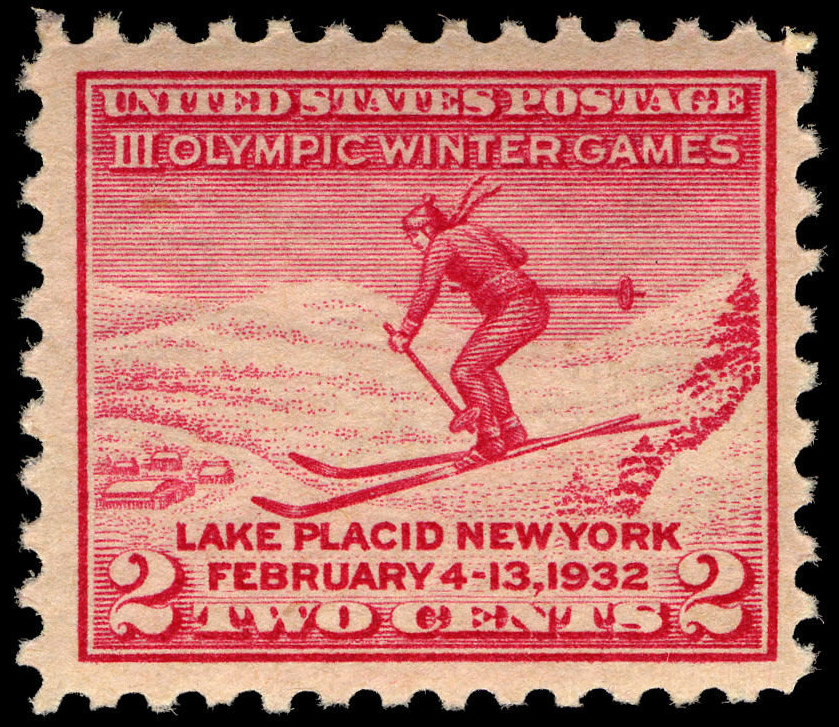
The 1932 Winter Olympics, officially the III Olympic Winter Games, took place in early February 1932 in Lake Placid, New York, United States. Held during the global economic downturn of the Great Depression, these games were notable for being the first Winter Olympics staged outside Europe and for their modest size compared with later editions. Although winter sport competitions were already established in Europe, Lake Placid presented a compact program of events that emphasized traditional winter disciplines.
Image gallery
7 Images



Venues and organization
Facilities in and around Lake Placid were adapted and developed to host the program. Key sites included the bobsleigh run on Mt. Van Hoevenberg, the skating arena for figure skating and speed skating, and nearby slopes for Nordic events. Organizers faced logistical challenges, from transporting athletes and equipment to providing spectator amenities in a small mountain community.
Sports contested
The games featured a range of winter sports that remain central to the Winter Olympics. Events included:
- Figure skating
- Ice hockey
- Speed skating
- Bobsleigh
- Cross-country skiing and Nordic combined
- Ski jumping
Historical context and selection
The Winter Games of 1932 occurred against the backdrop of economic hardship, which limited the number of participating nations and athletes because of the expense and difficulty of long-distance travel. Organizers had at one point considered alternative U.S. winter sites; plans and contingency choices such as those for Big Pines, California, were discussed because of concerns about reliable snow cover, prompting the selection and preparation of Lake Placid as the host site.
Notable outcomes and legacy
Several individual performances drew attention. Prominent figure skaters of the era continued to build legacies at these Games, and a few athletes from this edition remain remembered for achievements spanning both Winter and Summer Olympics. The 1932 Games also helped establish Lake Placid as a recurring winter-sports center; the village later hosted the Winter Olympics again, affirming the long-term impact of the 1932 organizing effort.
Further reading
Contemporary reports and later histories provide more detail on competition results, participating teams and venue development. Useful starting points include formal reports and archival summaries available from official Olympic sources and regional histories: official report and summaries, local histories of Lake Placid, and analyses of early Winter Games.
While smaller than later Winter Olympics in scale and media coverage, the 1932 Lake Placid Games were a milestone in the spread of international winter sports beyond Europe and left a durable sporting and infrastructural legacy in upstate New York.
Related articles
Author
AlegsaOnline.com 1932 Winter Olympics — Lake Placid, New York Leandro Alegsa
URL: https://en.alegsaonline.com/art/111960