
Rara Lake (Raratal) — Nepal's largest natural lake
Rara Lake (Raratal) is Nepal's largest natural lake, set at high elevation in Rara National Park, Mugu District. Known for clear water, mountain scenery, alpine ecosystems and limited, low‑impact tourism.
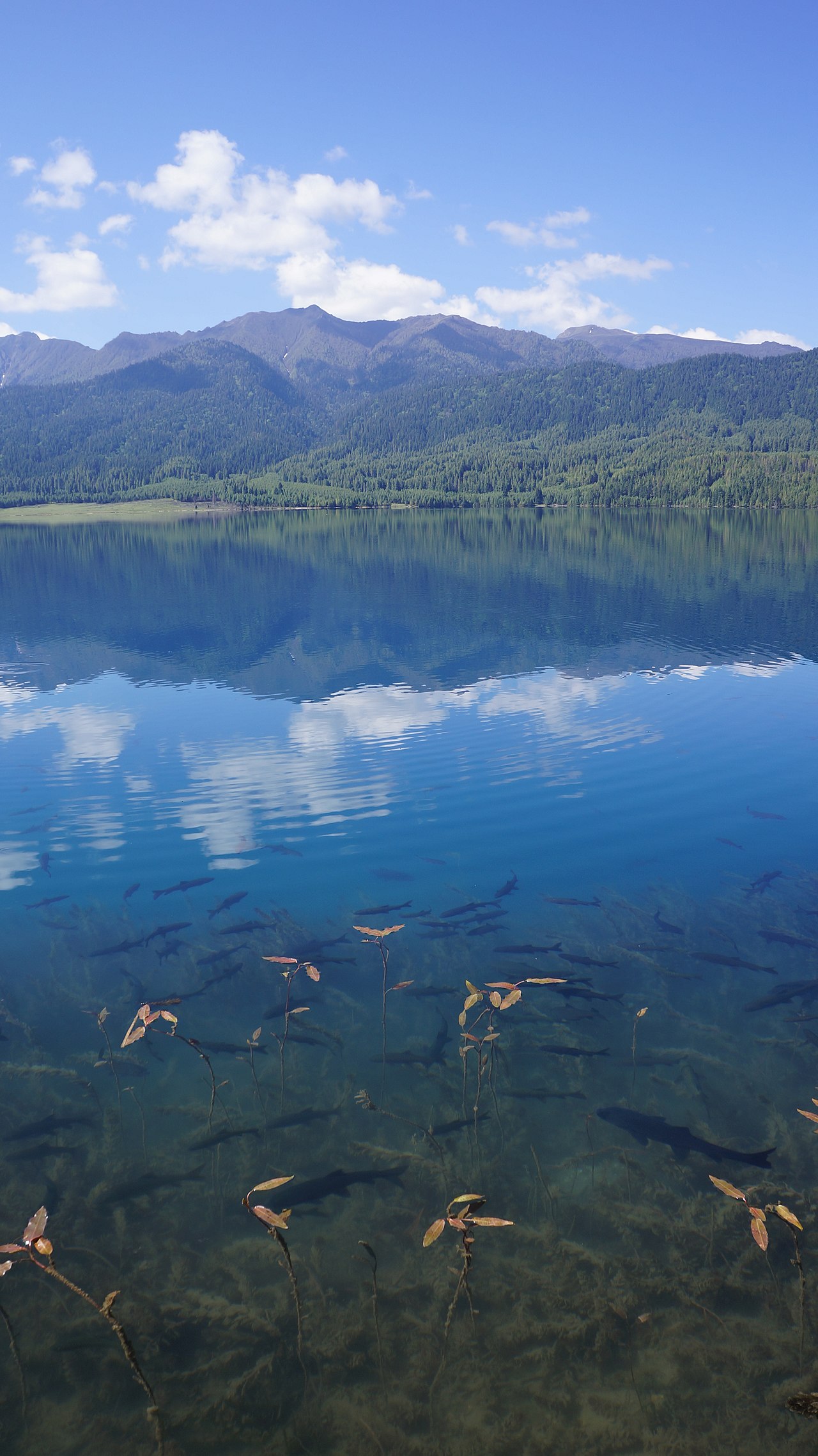
Raratal (Rara Lake) is the largest natural lake in Nepal, set in a remote mountain basin inside Rara National Park. The lake lies in Mugu District, historically part of the Karnali Zone in the Mid‑Western region of Nepal, several hundred kilometres northwest of Kathmandu. The local Nepali name is often given as राराताल.
Image gallery
7 Images


Geography and physical characteristics
Rara is a high‑altitude lake set in an enclosed mountainous catchment. It sits at nearly 3,000 metres above sea level and is roughly oval in shape. The water is noted for its clarity and blue‑green colour under clear skies. The lake covers an area often cited at about 10.8 square kilometres, with shorelines that alternate between rocky ledges, marshy fringes and slopes clothed in conifers and rhododendron. The basin drains to rivers of the greater Karnali watershed, linking the lake hydrologically to downstream river systems.
Hydrology and seasonality
Rara's water balance is driven by precipitation, snowmelt and several small inflowing streams; surface outflow connects the lake to the regional drainage network. Seasonal changes are pronounced: the lake is most accessible and visually striking in spring and autumn when weather is stable, while winter brings snow and ice to surrounding slopes and reduced visitation. Summer monsoon brings increased water levels and surrounding vegetation growth.
Ecology and biodiversity
Rara and its surrounding park protect a mosaic of temperate and alpine habitats. Forested slopes support conifers and a rich understory of rhododendron and bushes, while the shore margins and wetlands host marsh plants and aquatic invertebrates. The area supports wildlife typical of the western Himalaya, including various ungulates and carnivores, and is a refuge for many birds: waterfowl, migratory species and high‑altitude pheasants may be observed. Cold‑water fish and specialized invertebrate communities are part of the lake ecosystem.
History, protection and conservation
The lake and surrounding area were designated for protection in the later twentieth century and are now managed as Rara National Park. Park management aims to conserve the mountain ecosystem while permitting limited, low‑impact recreation. Conservation concerns include pressures from grazing, unmanaged visitation, local resource use and the broader effects of climate variability on alpine environments. Community involvement and regulated tourism are central to current management approaches.
Access, tourism and local use
Rara is remote: visitors typically travel by a combination of regional transport to nearby airstrips or towns and then by road and foot. Trekking routes, modest park facilities and simple lodgings serve travelers during the main seasons. Local communities use surrounding land for seasonal grazing and small‑scale agriculture; the lake and park also have cultural and economic significance for nearby settlements. Prospective visitors are advised to consult local authorities or park offices for up‑to‑date access guidance and regulations.
Notable facts and distinctions
- Rara is widely recognized as Nepal's largest natural lake and is a classic high‑altitude lake setting.
- The lake lies within a national park that emphasizes protection of alpine and subalpine ecosystems established in the later 20th century.
- Despite its remoteness, Rara attracts nature‑oriented visitors interested in scenery, wildlife and tranquility.
For further reading and practical information consult official park materials and regional guides: Nepali name and local references, Mugu District, Nepal, Karnali Zone, Mid‑Western region, Rara National Park, Kathmandu.
Questions and answers
Q: What is Lake Rara?
A: Lake Rara is the largest natural lake in Nepal.
Q: Where is Lake Rara located?
A: Lake Rara is located in Rara Village Development Committee, Mugu District, Karnali Zone in the Mid-Western region of Nepal.
Q: Which national park is Lake Rara a part of?
A: Lake Rara is entirely in the Rara National Park.
Q: How far is Lake Rara from Kathmandu?
A: Lake Rara is about 300 km (190 mi) northwest of the capital, Kathmandu.
Q: What is the shape of Lake Rara?
A: Lake Rara has a slightly oval shape.
Q: Is Lake Rara man-made or natural?
A: Lake Rara is a natural lake.
Q: Can visitors access Lake Rara?
A: Yes, visitors can access Lake Rara, which is located in the Rara National Park.
Related articles
Author
AlegsaOnline.com Rara Lake (Raratal) — Nepal's largest natural lake Leandro Alegsa
URL: https://en.alegsaonline.com/art/55553
Sources
- wldb.ilec.or.jp : "Lake Rara"
- rcse.edu.shiga-u.ac.jp : "Study of Himalayan Lakes in Nepal"
- academia.edu : "High Altitude Ramsar Sites of Nepal"
- icimod.org : "Rara National Park"
- wdc-jp.biz : "Three new species of the Cyprinid genus Schizothorax from Lake Rara, Northwestern Nepal"
- iucnredlist.org : "Nanorana rarica"