
Lake Okeechobee: Florida’s largest freshwater lake
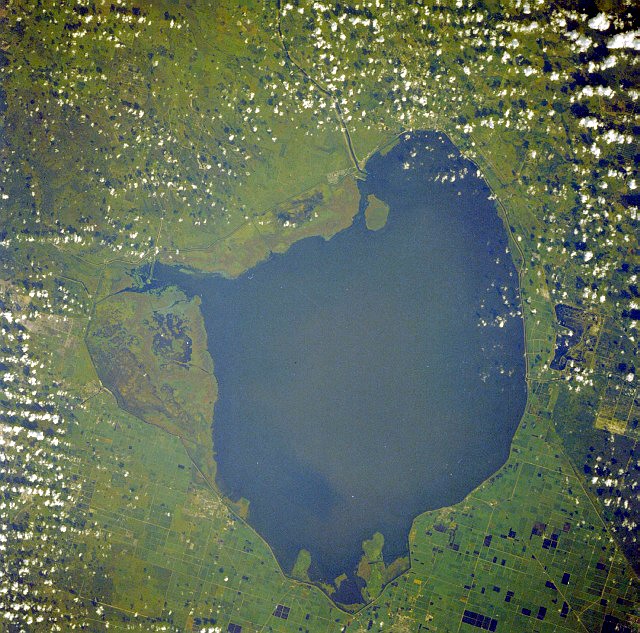
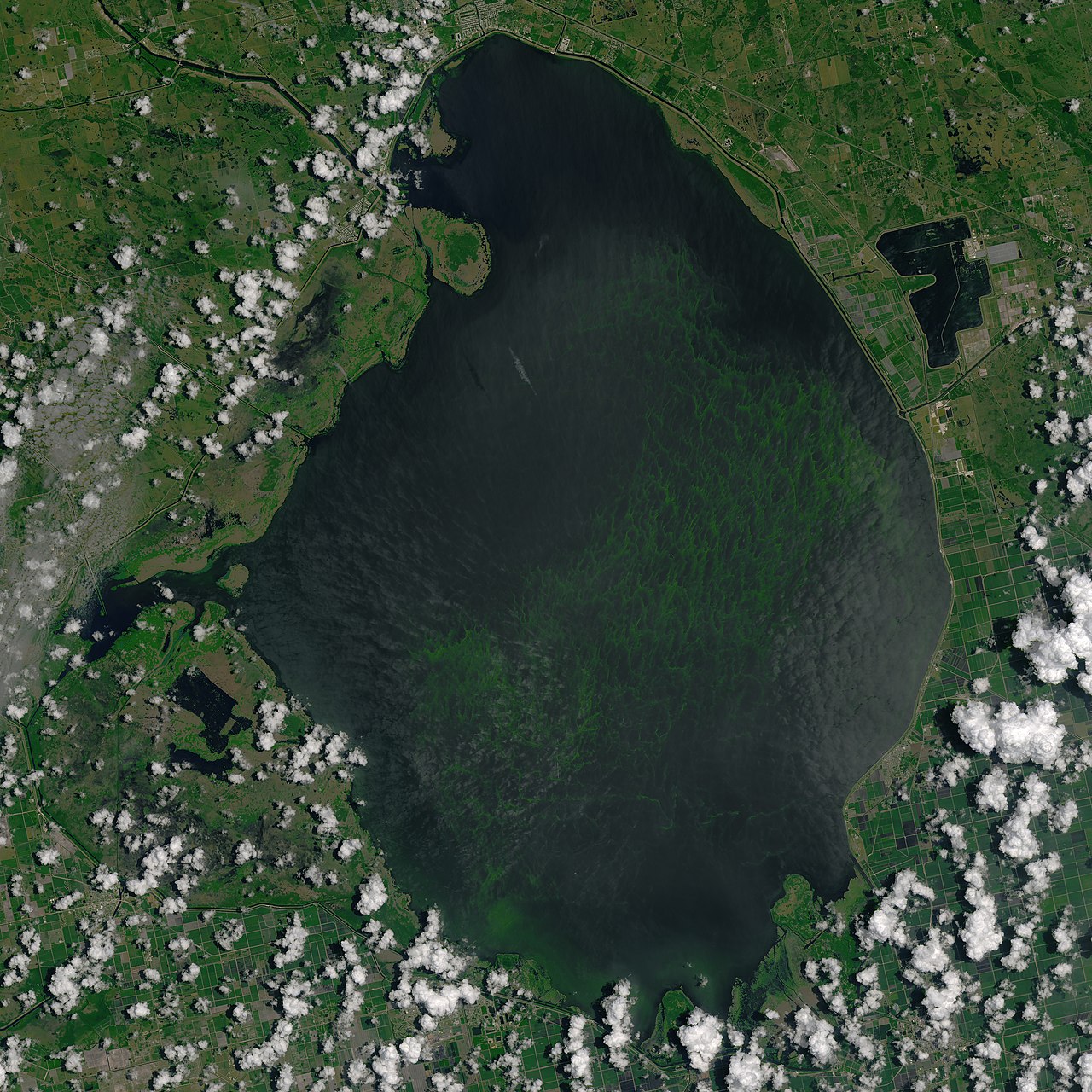
Lake Okeechobee is Florida’s largest lake, covering about 730 sq mi. This shallow, historically important body of water influences regional ecology, water management, agriculture, and recreation across several counties and towns.
Overview
Lake Okeechobee is the largest freshwater lake in Florida. It covers roughly 730 square miles, an area roughly comparable to about half the size of Rhode Island. The lake is unusually broad and shallow for its size, and it serves as a central feature of southern Florida’s landscape and water system.
Image gallery
10 Images






Geography and hydrology
The lake lies near the center of the peninsula and touches multiple counties. Surrounding jurisdictions include Glades County, Okeechobee County, Martin County, Palm Beach County and Hendry County (linked below). Several towns and small cities sit on its shoreline, among them Belle Glade, Clewiston, the city of Okeechobee, and Pahokee. The lake’s average depth is relatively low—commonly reported at around nine feet—which contributes to wide shallow flats and marshy margins rather than steep banks.
History and flood control
Indigenous peoples lived around the lake for centuries; the lake’s name comes from a Native American language and is often translated as "big water." In the early 20th century, major hurricanes and seasonal flooding prompted large-scale flood-control efforts. The most consequential event was a catastrophic hurricane in 1928 that led to the construction and later reinforcement of the Herbert Hoover Dike and other works to reduce flood risk. Today those structures and a network of canals form part of a complex system managed for flood protection, water supply and navigation.
Ecology, water quality, and management
Lake Okeechobee is a key component of the greater Everglades watershed and supports wetland habitats, wading birds, and sport fisheries. At the same time it has long been affected by nutrient runoff from agriculture and urban areas; nutrient enrichment can trigger large algal blooms and harm water quality. Managing the lake requires balancing competing needs: flood control, freshwater supply for cities and farms, protection of estuaries downstream, and restoration of natural ecosystems. State and regional agencies work on restoration projects and water-release strategies to reduce ecological harm while meeting human demands.
Uses and recreation
The lake remains important economically and culturally. It supports commercial and recreational fishing (notably bass), boating, hunting in season, and tourism tied to wildlife viewing. Agricultural lands—especially sugarcane and vegetable production—near the lake depend on its water but also contribute to the management challenges. Lake Okeechobee continues to be the focus of engineering, conservation, and policy efforts aimed at protecting public safety and restoring environmental health for the region.
Related articles
Author
AlegsaOnline.com Lake Okeechobee: Florida’s largest freshwater lake Leandro Alegsa
URL: https://en.alegsaonline.com/art/55539
Sources
- commons.wikimedia.org : Lake Okeechobee
- sfwmd.gov : sfwmd.gov
- www2.census.gov : www2.census.gov/geo/maps/general_ref/stco_outline/cen2k_pgsz/stco_FL.pdf