
Clewiston, Florida
Clewiston is a small city on the southern shore of Lake Okeechobee in Hendry County, Florida, known for its sugarcane industry, lakeside recreation, and ties to regional water management and agriculture.
Clewiston is a small city in Florida, in the United States. It sits along the southern shore of Lake Okeechobee and functions as a local center for agriculture, services, and recreational access to the lake and nearby wetlands. The community is closely associated with sugarcane cultivation and processing, a feature that influences its economy, culture, and identity.
Image gallery
4 Images

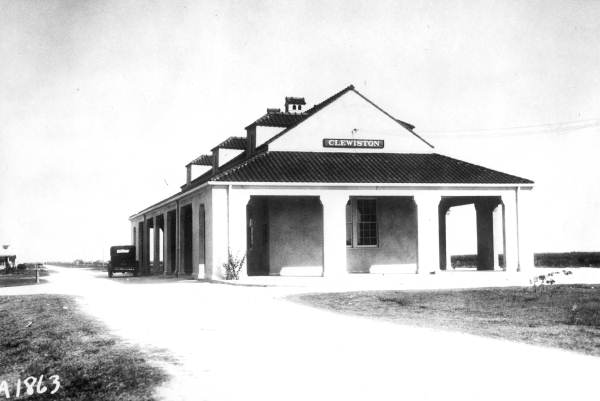

Geography and economy
Clewiston occupies a low-lying landscape at the edge of one of North America’s largest inland lakes. Its setting includes canals, levees, and agricultural fields that form part of a larger regional pattern linking the lake, the Everglades Agricultural Area, and south Florida’s waterways. The local economy is dominated by agriculture—particularly sugarcane—and the businesses and services that support farm operations, processing, and transport. Small retail, health, and municipal services serve a mostly rural population.
History and development
The city grew as land in this region was converted for farming and as transportation connections improved. Settlement and growth were driven by the agricultural potential of the drained and managed lands around Lake Okeechobee. Over time, processing facilities, shipping links, and community institutions were established to support the sugar industry and the families who work it.
Recreation, culture, and community life
Lake Okeechobee is a major recreational resource for Clewiston: fishing, boating, and waterfront activities attract residents and visitors. The community celebrates its agricultural heritage through local events and festivals that highlight sugarcane and rural life. Cultural life includes small museums, civic organizations, and landmarks that reflect the town’s origins and working landscape.
Features, challenges, and notable facts
- Nickname and identity: Clewiston is often identified with the sugar industry and has been informally described in promotional terms that reference that heritage.
- Environmental context: Its location near Lake Okeechobee places the city at the intersection of water-management, agricultural runoff, and Everglades restoration concerns.
- Outdoor access: The town serves as a gateway for anglers and wildlife viewers exploring the lake and adjacent wetlands.
- Small-town services: Local government, schools, and community organizations support a primarily rural population.
For general information and visitor guidance, municipal or regional resources provide current details on services, events, permits, and recreational opportunities. Historical and environmental studies offer deeper context about how agriculture, water policy, and regional planning have shaped the city and its surroundings.
Related articles
Author
AlegsaOnline.com Clewiston, Florida Leandro Alegsa
URL: https://en.alegsaonline.com/art/20965