
Laghouat Province, Algeria
Central Algerian province centered on the city of Laghouat. A transitional zone between highlands and Sahara, noted for oases, historic towns, pastoralism and nearby natural gas infrastructure.
Laghouat Province (Arabic: ولاية الأغواط) is an administrative region in central Algeria. Its name is commonly translated as "the oases," reflecting the presence of fertile valley settlements that contrast with surrounding steppe and desert. The provincial capital is the city of Laghouat, and other important localities include Aflou, Aïn Madhi, Kourdane and Makhareg.
Image gallery
10 Images



Geography and climate
The province sits on the southern slopes of the Tell Atlas and the northern edge of the Sahara, forming a transitional landscape of plateaus, low mountains and scattered oases. Climatic conditions range from semi-arid in the highlands to arid on the plains and into the desert. Rainfall is limited and irregular, temperatures can be very hot in summer, and the highest inhabited sites experience cooler winters.
History and development
For centuries the area served as a crossroads between Saharan caravans and Algeria's northern plains: oases supported agriculture and local trade while pastoral communities moved seasonally across the steppe. During the colonial era and in the republican period that followed, administrative reforms established the province as a formal wilaya and shaped its modern towns and infrastructure.
Economy and land use
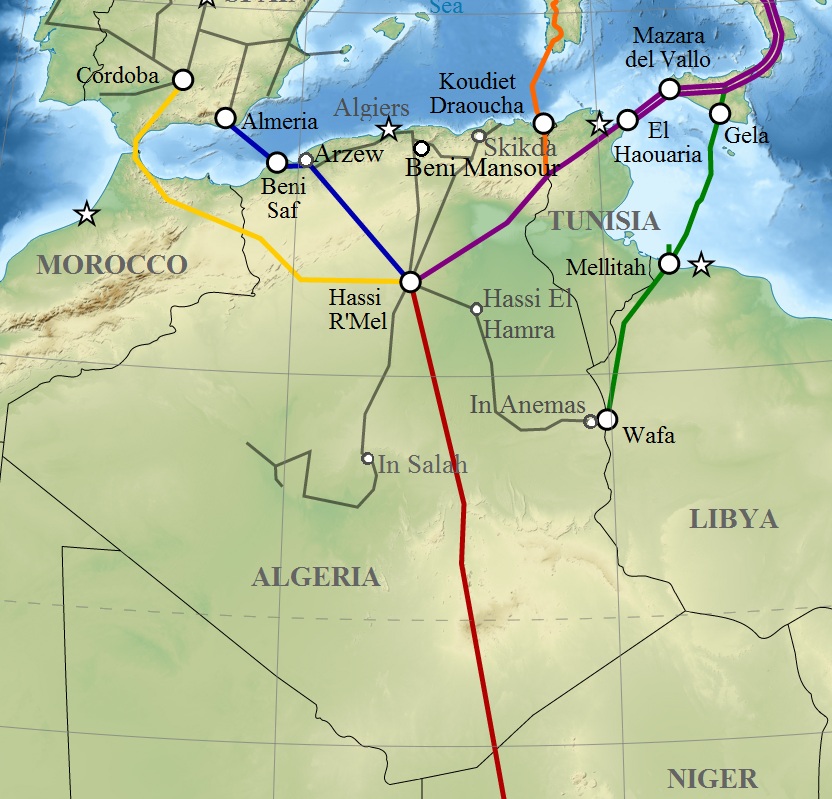
Economic activity mixes traditional and modern elements: oasis agriculture (date palms, cereals and small-scale irrigation), livestock herding and market towns remain important. The province is also associated with Algeria's broader energy sector and contains or lies close to major gas production and processing facilities, which influence regional employment and transport networks.
Administration, towns and culture
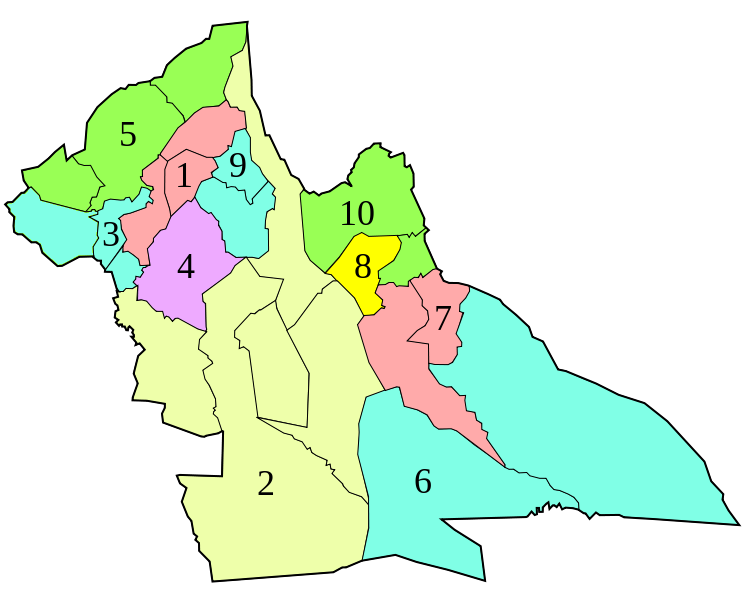
Laghouat is organized into districts and communes that administer urban centres and rural hinterlands. Principal towns such as Laghouat, Aflou and Aïn Madhi act as commercial and service hubs. The population reflects Arab and Berber influences; local culture includes elements tied to oasis life, religious learning in some towns, and traditional crafts and architecture adapted to arid conditions.
Notable features
- Oases and irrigated date groves that sustain settlements
- Transitional geography linking the Atlas highlands and the Sahara
- Proximity to significant energy installations that shape the modern economy
- Historic role as a regional market and caravan crossroads
For further administrative details and maps, consult regional resources such as an official provincial page: Laghouat Province information.
Related articles
Author
AlegsaOnline.com Laghouat Province, Algeria Leandro Alegsa
URL: https://en.alegsaonline.com/art/55377