
Kyffhäuserkreis
Kyffhäuserkreis is a rural district in northern Thuringia, Germany, known for the Kyffhäuser hills, historic sites, mixed agricultural landscape and small towns that support tourism and local industry.
Kyffhäuserkreis is a rural district in the northern part of Thuringia and lies within central Germany. It takes its name from the Kyffhäuser hills, a compact range of forested heights and limestone ridges that form a distinctive local landmark. The district combines agricultural lowlands, wooded slopes and several small urban centers that serve as local service and cultural hubs.
Image gallery
3 Images
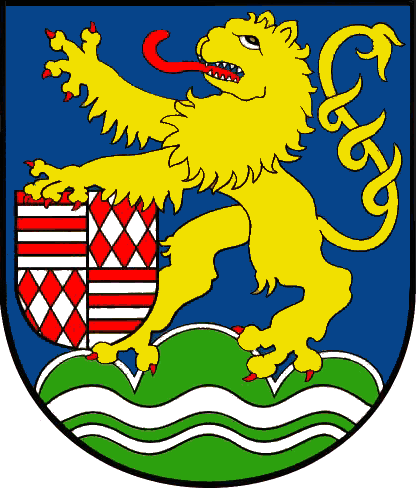

Geography and landscape
The terrain ranges from low-lying farming areas to rolling wooded hills. Streams and small rivers drain the district and create a patchwork of fields, orchards and broadleaf woodland. The Kyffhäuser ridge is the most prominent feature, offering viewpoints, hiking paths and geological interest tied to limestone formations.
History and identity
Human settlement in the region extends back many centuries; the geography supported agriculture and small market towns. Over time the area developed a regional identity shaped by its medieval monuments, local legends associated with Emperor Frederick Barbarossa and the pattern of rural life in central Germany. The modern administrative district emerged from territorial reforms in the late 20th century, grouping several smaller jurisdictions for coordinated local government.
Administration, towns and services
Kyffhäuserkreis is organized around a number of towns and municipalities that provide municipal services, education and health care to a predominantly rural population. Local government focuses on maintaining infrastructure, supporting agriculture and preserving cultural heritage. Small and medium-sized enterprises, local crafts and public services form the backbone of the district economy.
Economy, culture and tourism
Economic activity is a mix of farming, forestry, light industry and services. Tourism plays a significant role: visitors come for scenic walks, historic ruins, monuments and small-town festivals. Typical visitor attractions include viewpoints on the Kyffhäuser ridge, monuments linked to medieval history and local museums presenting regional traditions.
Notable facts and distinctions
- The district name reflects the importance of a distinctive natural landmark, the Kyffhäuser hills.
- Local culture blends rural traditions with historic sites that attract regional tourism.
- Administrative efforts typically emphasize landscape conservation, local economic support and improving connectivity between towns and villages.
Together, these elements make Kyffhäuserkreis a representative example of a small rural district in central Germany: landscape and history shape local life, while towns and communities adapt to modern economic and social challenges.
Related articles
Author
AlegsaOnline.com Kyffhäuserkreis Leandro Alegsa
URL: https://en.alegsaonline.com/art/54751