
Kyoto Prefecture — historic and cultural heart of Japan
Kyoto Prefecture on Honshu in Japan's Kansai region centers on the ancient capital Kyoto. Known for temples, shrines, traditional arts, seasonal scenery and a mix of coastal and mountainous landscapes.

Kyoto Prefecture sits on the island of Honshu in Japan's Kansai region. The prefecture's administrative center and best-known city is Kyoto, which served for centuries as Japan's imperial capital and remains a focal point for cultural heritage, religious sites and traditional arts. The prefecture combines an urban historic core with rural valleys, coastal areas on the Sea of Japan and forested mountains.
Image gallery
10 Images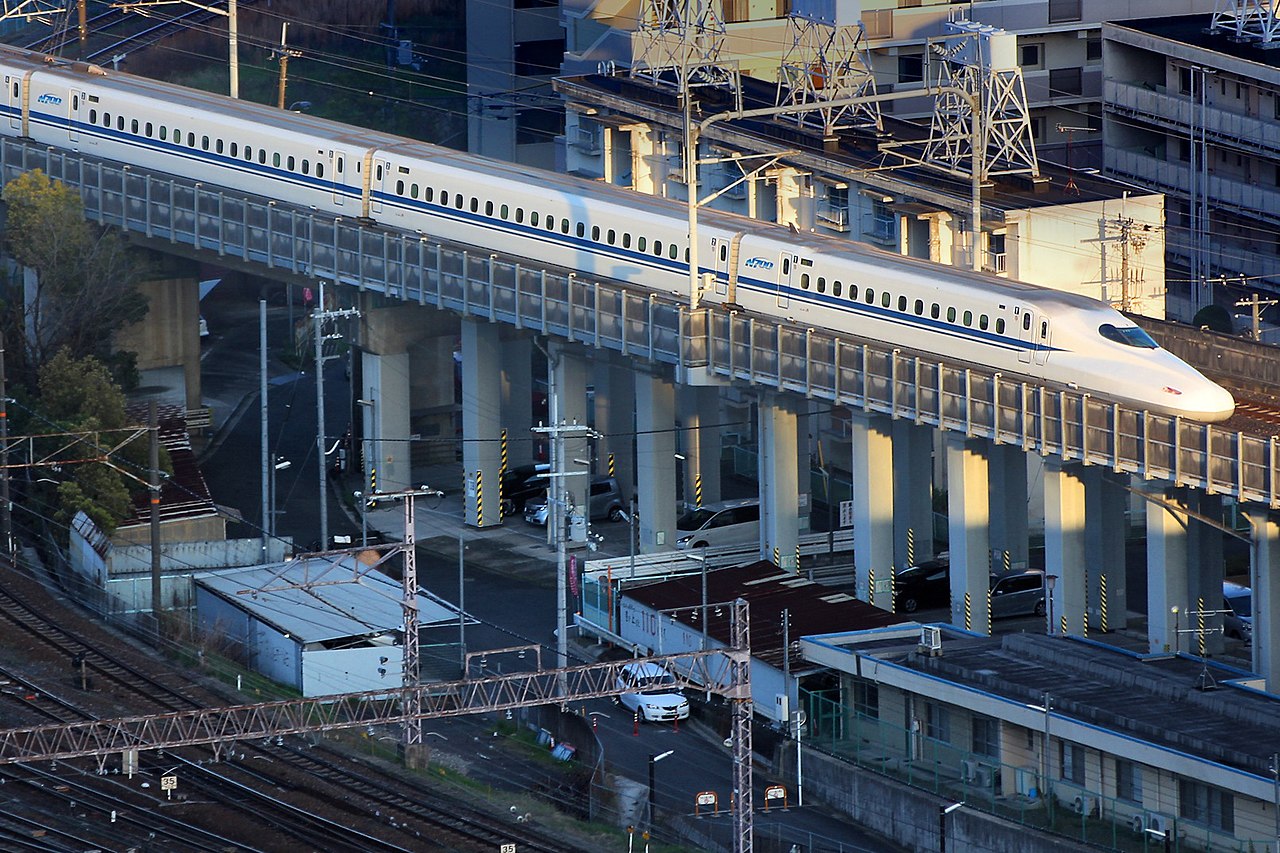




Geography and divisions
Kyoto Prefecture includes a varied landscape: lowland plains around the capital, northern coastal stretches, and inland highlands. It is divided into multiple cities, towns and districts. Examples of urban centers and regional hubs include:
- Kyoto (capital and cultural center)
- Uji (famous for tea and historic sites)
- Maizuru and Fukuchiyama (regional ports and towns)
- Kameoka (gateway to rural and mountain areas)
History and cultural significance
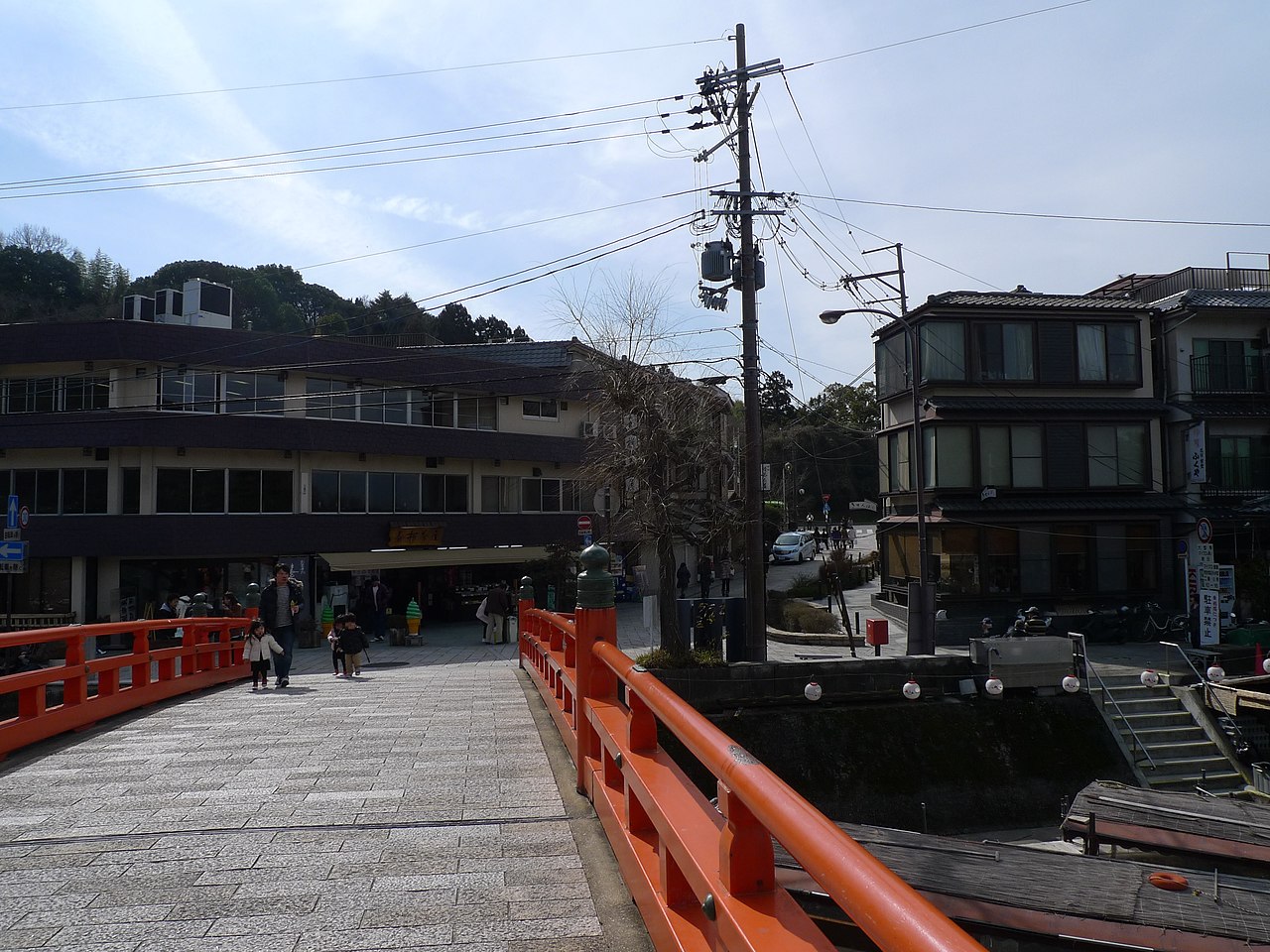
The city of Kyoto was the seat of the imperial court for more than a millennium and its temples, shrines, palaces and traditional neighborhoods have shaped Japanese culture. Many sites in the prefecture are protected for their historical and architectural value; the area is especially renowned for festivals such as the Gion traditions, classical performing arts, gardens and seasonal customs.
Economy, crafts and tourism
Tourism is an important economic driver, drawing visitors to historic monuments, museums and natural attractions. Kyoto Prefecture is also noted for traditional industries: textile weaving, ceramic and lacquerware production, sake brewing in Fushimi, and cultivation of high-quality green tea around Uji. Modern manufacturing and services coexist with these longstanding crafts.
Access and notable facts
Well connected by rail and road, the prefecture is accessible from major cities in Kansai and beyond; transport networks link Kyoto to coastal towns and inland areas. Distinctive features include the concentration of cultural sites in the capital, the northern Sea of Japan coastline, and the coexistence of urban heritage with rural landscapes, making Kyoto Prefecture a multifaceted destination.
Questions and answers
Q: Where is Kyoto Prefecture located?
A: Kyoto Prefecture is in the Kansai region of Japan on the island of Honshu.
Q: What is the capital city of Kyoto Prefecture?
A: The capital city of Kyoto Prefecture is Kyoto.
Q: What is the name of the prefecture on Honshu island in Japan?
A: The prefecture on Honshu island in Japan is called Kyoto Prefecture.
Q: Where in Japan is Kyoto Prefecture located?
A: Kyoto Prefecture is located in the Kansai region of Japan.
Q: What is the meaning of the suffix "-fu" in Kyoto-fu?
A: "-fu" is a suffix in Japanese that is equivalent to the English term "prefecture."
Q: What is the significance of Kyoto Prefecture in Japanese history?
A: Kyoto Prefecture is historically significant as it was the capital of Japan for over a thousand years, from 794 to 1868.
Q: What is the population of Kyoto Prefecture?
A: The population of Kyoto Prefecture is approximately 2.6 million people as of 2021.
Related articles
Author
AlegsaOnline.com Kyoto Prefecture — historic and cultural heart of Japan Leandro Alegsa
URL: https://en.alegsaonline.com/art/54774
Sources
- books.google.com : "Kyoto-fu"
- books.google.com : "Kansai" at p. 477
- books.google.com : "Kyoto"
- books.google.com : "Provinces and prefectures" at p. 780
- env.go.jp : "General overview of area figures for Natural Parks by prefecture"
- eos.kokugakuin.ac.jp : "Nationwide List of Ichinomiya," p. 1