
Kymenlaakso: Finnish coastal and river valley region
Kymenlaakso is a southern Finnish region centred on the Kymi River valley and the Gulf of Finland coast, known for forest and maritime industry, ports at Kotka and Hamina, and early industrial development.
Kymenlaakso is a region in southern Finland that occupies the valley of the Kymi River and a short coastal belt along the Gulf of Finland. The landscape combines coastal towns, islands, river corridors and extensive forested areas. The region is commonly identified by its industrial history, maritime activity and transport links that connect inland Finland with the sea. For a general overview see Kymenlaakso.
Image gallery
3 Images
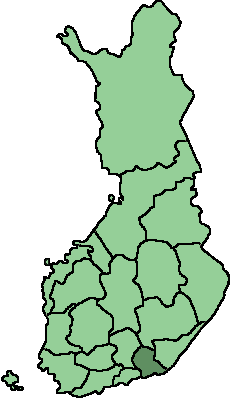

Geography and neighbours
Kymenlaakso occupies a corridor where the Kymi River drains to the Gulf of Finland. Its location places it adjacent to several other regions: Uusimaa to the west, Päijänne Tavastia to the north, Southern Savonia to the northeast and South Karelia to the east. The combination of coastline, islands and inland forests shapes local livelihoods, recreation and tourism opportunities.
Municipalities
The region comprises several municipalities and towns. Major urban centres and service hubs include Hamina, Kotka and Kouvola. Other municipalities such as Iitti, Miehikkälä, Pyhtää and Virolahti contribute to the region’s agricultural, recreational and borderland character. Population has varied over time; in the early 2010s the region was home to about 180,000 people, spread between urban centres and more rural communities.
History and industrial development
Kymenlaakso was among the first parts of Finland to industrialize from the early 19th century. The availability of fast-flowing rivers for power and abundant timber resources encouraged sawmills, pulp and paper production and later mechanical industries. The region’s coastal position supported port facilities and ship-related trades that linked local production to international markets. For further context on the area's industrial past see industrial history.
Economy, transport and logistics
Today the local economy blends traditional forest-based industries with manufacturing, logistics and port services. The port towns of Kotka and Hamina serve as important maritime gateways for container traffic, bulk goods and ro-ro services. Kouvola functions as a significant railway junction, providing links between western and eastern Finland and facilitating freight flows. Road networks and regional rail support commuting, goods movement and access to neighbouring regions.
Nature, recreation and conservation
Extensive forests, river valleys and the coastal archipelago offer recreational opportunities such as boating, fishing, hiking and berry picking. There are nature reserves, regional parks and marked trails that attract residents and visitors interested in outdoor pursuits and birdwatching. Seasonal activities vary from summer boating in the archipelago to winter hiking and local outdoor events.
Culture and tourism
Cultural life in Kymenlaakso reflects its maritime and industrial heritage. Museums, local festivals and community centres celebrate seafaring traditions, timber and factory histories, and local crafts. Ports and waterfronts are focal points for visitor activities, while markets, exhibitions and gastronomic events highlight regional products.
- Kymenlaakso’s identity is strongly tied to the Kymi River and the Gulf of Finland coast.
- Early 19th-century industrialization created a pattern of mill towns and port infrastructure that shaped settlements and employment.
- The combination of rail, road and sea links gives the region logistical importance within southern Finland.
For maps, municipal services and further regional information consult the regional portal and local municipal pages such as regional portal, Hamina, Kotka and Kouvola, or refer to neighbouring-region resources for broader context: Uusimaa, Päijänne Tavastia, Southern Savonia and South Karelia.
Related articles
Author
AlegsaOnline.com Kymenlaakso: Finnish coastal and river valley region Leandro Alegsa
URL: https://en.alegsaonline.com/art/54762