
Sahih al-Bukhari
A principal Sunni collection of hadith compiled by Muhammad ibn Ismail al-Bukhari; regarded as the most authentic book after the Qur'an in Sunni Islam and central to jurisprudence and theology.
Overview
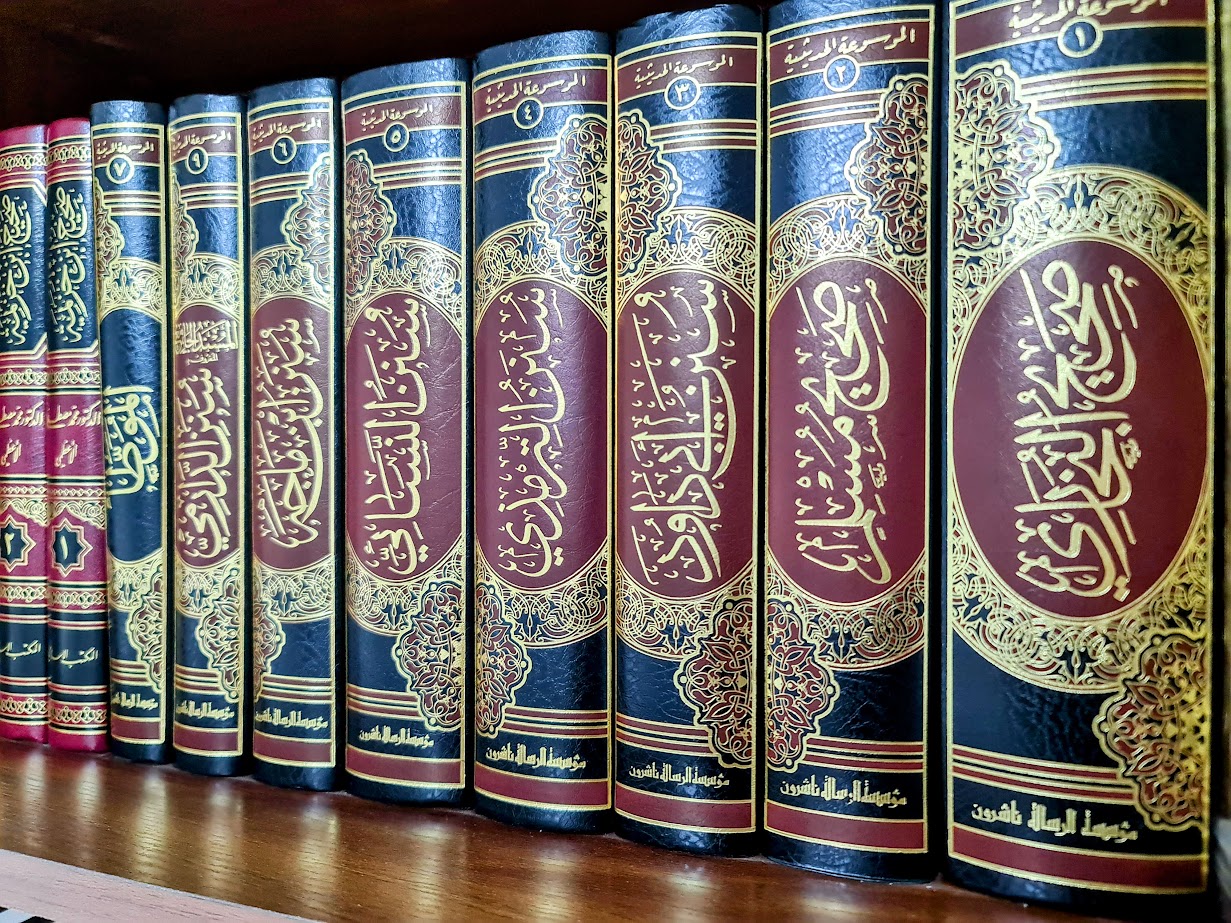
Sahih al-Bukhari (Arabic: صحيح البخاري) is a sixth-century Hijri (9th-century CE) hadith collection assembled by the scholar Muhammad ibn Ismail al-Bukhari (810–870 CE). It is one of the six canonical Sunni compilations known as the Kutub al-Sittah and, together with Sahih Muslim, forms the pair often referred to as the Sahihayn. Within Sunni Islam (Sunni Islam) it is widely regarded as the most authoritative book of prophetic tradition after the Qur'an.
Image gallery
9 Images





Compilation and methodology
Al-Bukhari collected narrations of the Prophet Muhammad that are classified as hadith. He traveled extensively to gather reports and applied rigorous conditions for acceptance: continuous chains of transmission (isnad), proven reliability and good memory of narrators, and consistency with established facts. His strict standards were designed to minimize errors and spurious reports. The work took many years to compile and was organized to facilitate legal and theological reference.
Contents and structure
The collection is arranged into books (kutub) and chapters (abwab), grouping narrations by topic such as faith, prayer, pilgrimage, transactions, ethics and biography of the Prophet. Counts of individual reports vary with different methods of tallying: traditional counts cite several thousand narrations including repetitions, and a smaller number when duplicate chains are omitted. The arrangement emphasizes practical religious guidance used by scholars and jurists.
Reception, commentaries and translations
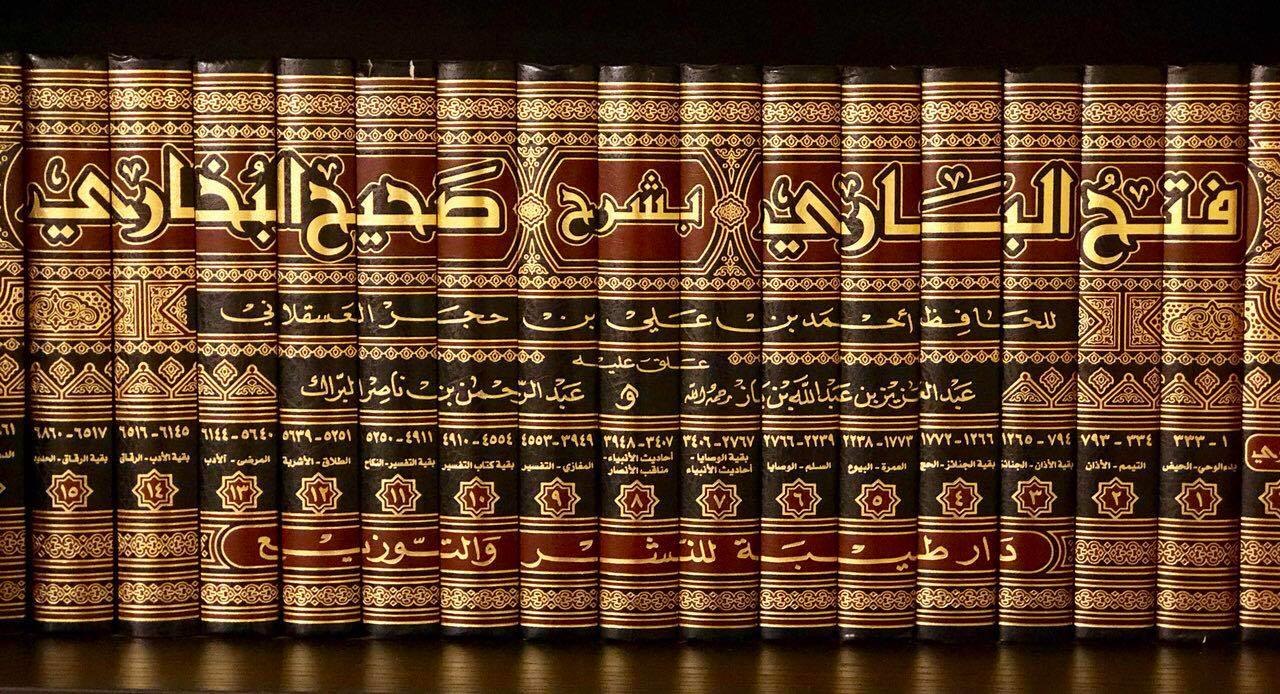
Sahih al-Bukhari has been the subject of extensive commentary. One of the best-known classical commentaries is Ibn Hajar al-Asqalani’s Fath al-Bari, which remains a principal reference for understanding Bukhari’s text. The collection has been translated into many languages and is taught across the Muslim world; its narrations often serve as primary evidence in Sunni law and creed. Scholars have also studied its manuscript transmission and variant readings.
Importance, use and distinctions
- Religious authority: Regarded by most Sunnis as the foremost compendium of authentic prophetic traditions.
- Legal source: Frequently cited in fiqh (Islamic jurisprudence) and sermon literature.
- Comparative note: While central to Sunni practice, other Muslim communities (for example in Shia traditions) rely on different hadith collections and criteria.
- Study: Its methodology influenced later hadith criticism and the development of biographical evaluation of narrators.
For introductions, editions, and further study see well-known references and accessible translations; many academic and religious libraries provide editions with commentaries and explanatory notes. For primary terms and glossary entries consult standard works on hadith studies and Islamic law (Muhammad al-Bukhari biographical entries and other resources).
Readers seeking a concise pairing should note the regular mention of Sahih Muslim alongside Bukhari in discussions of the most authentic Sunni hadith corpora.
Questions and answers
Q: What is Sahi al-Bukhari?
A: Sahi al-Bukhari is one of the Kutub al-Sittah (six major hadith collections) of Sunni Islam, which were collected by the Muslim scholar Muhammad al-Bukhari.
Q: What is Bukhari Sharif?
A: Bukhari Sharif is another name for Sahi al-Bukhari.
Q: Who collected the Sahi al-Bukhari?
A: The Muslim scholar Muhammad al-Bukhari collected Sahi al-Bukhari.
Q: What is the significance of Sahi al-Bukhari among Sunni Muslims?
A: Among Sunni Muslims, Sahi al-Bukhari is considered the most authentic book after the Quran.
Q: What is Sahihayn?
A: Sahihayn is the name given when Sahi al-Bukhari is combined with Sahi Muslim.
Q: How many major hadith collections are there in Sunni Islam?
A: There are six major hadith collections in Sunni Islam, including Sahi al-Bukhari.
Q: What is a hadith?
A: A hadith is a saying, action, or approval attributed to the Islamic prophet Muhammad or his companions, that serves as a source of religious law and moral guidance for Muslims.
Related articles
Author
AlegsaOnline.com Sahih al-Bukhari Leandro Alegsa
URL: https://en.alegsaonline.com/art/85277