
Sunan Ibn Majah: Sunni Hadith Collection
Sunan Ibn Majah is one of the six major Sunni hadith collections (Kutub al-Sittah), compiled in the 9th century. It contains over 4,000 hadith in 32 books and is often ranked sixth in canonical status.
Overview
Sunan Ibn Majah (Arabic: سُنن ابن ماجه) is a classical compilation of prophetic reports and sayings that is traditionally counted among the six principal Sunni hadith collections known as the Kutub al-Sittah. Compiled by the scholar commonly referred to as Ibn Majah, the work gathers more than four thousand narrations organized topically across thirty-two books. The collection is valued for preserving material not found in the other five major collections and for its influence on later juristic and devotional literature.
Image gallery
3 Images

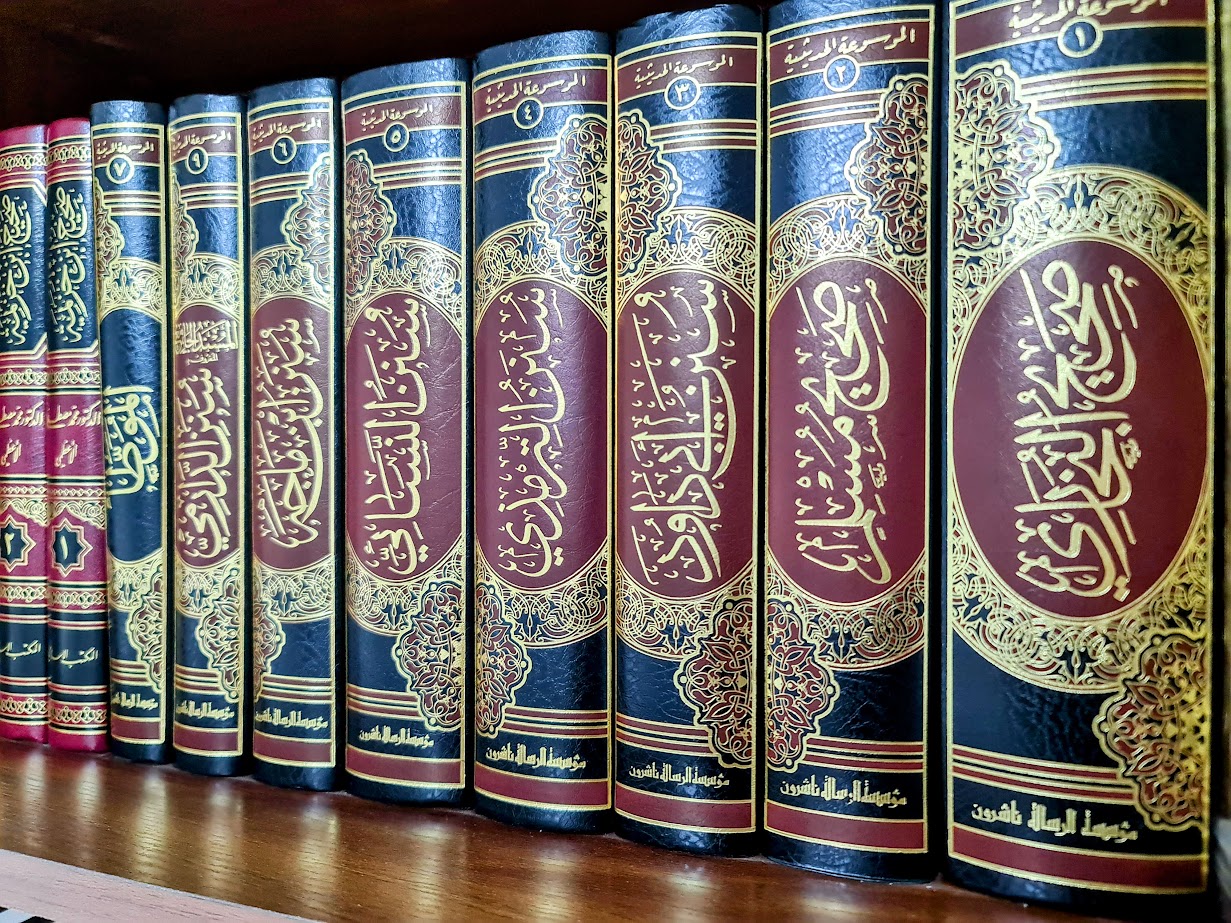
Authorship and date
The compiler, Muhammad ibn Yazid Ibn Majah al-Qazvini (commonly shortened to Ibn Majah), was a student and traveller active in the 3rd/9th century AH/CE period. His name appears attached to the collection and to biographical entries in classical Islamic literature. The work reflects the methodology of hadith compilers of that era: collecting, classifying by topic, and often providing chains of transmission (isnads) alongside the reports themselves.
Contents and structure
The Sunan is divided into thirty-two principal books (kutub) that cover a wide range of legal, ritual, ethical and social subjects. Typical chapters address prayer, fasting, pilgrimage, marriage, transactions, penal laws and manners. Many of the items are short reports presented in a concise form; some include brief commentary, grading, or variant wordings. The collection is known for containing hadith that do not appear elsewhere in the better-known five compilations, making it a useful supplementary source for researchers and jurists.
Reception, status and criticism
Within Sunni tradition, Sunan Ibn Majah is commonly ranked sixth among the canonical six collections, though its position has been the subject of scholarly discussion. Some classical and later scholars praised its breadth and contribution, while others noted that it includes a number of weak (daʿīf) or less-corroborated reports. For this reason the collection is often used with critical evaluation; individual hadith from Ibn Majah are assessed on their own chains and content rather than accepted uncritically.
Methodology, manuscripts and editions
Ibn Majah arranged material thematically and relied on available transmitters and local manuscript traditions. Over the centuries the collection circulated in manuscript and later appeared in edited printed editions and translations. Modern students consult critical editions, commentaries and comparative studies that situate Ibn Majah's narrations alongside parallel reports in other compilations. Scholarly resources and introductions often explain how to weigh the reliability of particular narrations.
Importance and use
Despite debates about some of its contents, Sunan Ibn Majah remains an important reference in Sunni hadith studies. It supplements the corpus of prophetic reports and is cited in juristic discussions, historical research and devotional literature. Researchers often trace a specific hadith through Ibn Majah when seeking variants or unique narrations; those interested in the Arabic title or original language presentations can consult editions that preserve the text in classical orthography, sometimes shown under the work's Arabic title.
- Contains over 4,000 narrations in 32 books.
- Compiled in the classical 9th-century period of hadith scholarship.
- Valued as a supplemental source to the other major Sunan collections.
Questions and answers
Q: What is Sunan Ibn Majah?
A: Sunan Ibn Majah is one of the six major Sunni hadith collections (Kutub al-Sittah) authored by Ibn Majah.
Q: How many hadith does Sunan Ibn Majah contain?
A: Sunan Ibn Majah contains over 4,000 hadith in 32 books (kutub).
Q: Who authored Sunan Ibn Majah?
A: Sunan Ibn Majah was authored by Ibn Majah.
Q: What is the position of Sunan Ibn Majah among the six major Hadith collections according to Sunnis?
A: According to Sunnis, Sunan Ibn Majah is considered as sixth in strength among the six major Hadith collections.
Q: What is Kutub al-Sittah?
A: Kutub al-Sittah is a collection of six major Hadith collections in Sunni Islam.
Q: What is the importance of Sunan Ibn Majah for Sunnis?
A: Sunnis consider Sunan Ibn Majah as an important Hadith collection and study it to understand the teachings of Prophet Muhammad.
Q: What is the language of Sunan Ibn Majah?
A: The language of Sunan Ibn Majah is Arabic.
Related articles
Author
AlegsaOnline.com Sunan Ibn Majah: Sunni Hadith Collection Leandro Alegsa
URL: https://en.alegsaonline.com/art/94864
Sources
- abc.se : "Various Issues About Hadiths"