
La Sylphide: the 1832 Romantic ballet
La Sylphide is a landmark Romantic-era ballet created by Filippo Taglioni for his daughter Marie Taglioni, premiered in Paris in 1832; it established ethereal technique and dramatic themes of love and the supernatural.
Overview
La Sylphide is one of the defining works of the Romantic ballet era. Created to highlight the talents of Marie Taglioni, it presents the tale of a young Scotsman bewitched by a sylph, a supernatural air spirit. The ballet is associated with the emergence of a new aesthetic in dance: an emphasis on lightness, otherworldliness and pointe technique that made the ballerina the central visual focus of the stage. It is often described simply as a romantic ballet because its themes—yearning, the supernatural, and tragic love—typify the period.
Image gallery
5 Images


Structure and stylistic features
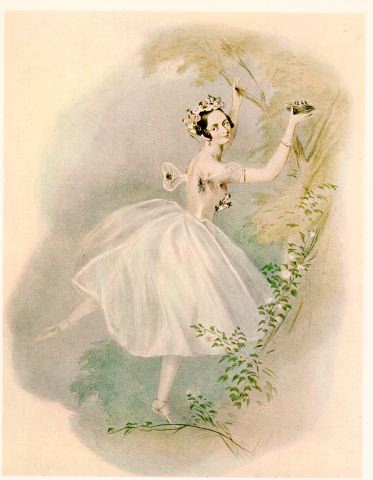
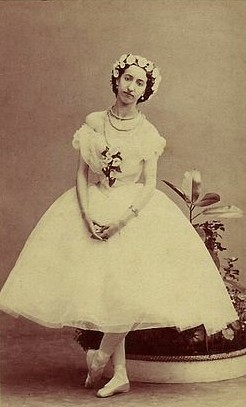
The original production combined choreography, music and costume to produce the now-familiar Romantic look: long white tutus, diaphanous skirts that suggested flight, and choreography that showcased delicate footwork and elevated, seemingly weightless movement. Scenes alternate between domestic interiors and enchanted forest settings, reinforcing the contrast between mortal life and the spirit world. Typical cast roles include the sylph, the lover James, the bride Effie, and the landlord or sorcerer figures who anchor the human world.
History and versions
Filippo Taglioni choreographed the version that premiered on 12 March 1832 at the Salle Le Peletier in Paris. Its success established Marie Taglioni as the era's preeminent ballerina and popularized the image of the lone, ethereal ballerina on pointe. The original choreography has not been fully preserved, but a separate and influential staging by August Bournonville in Copenhagen (1836) created a distinct version that survives in the repertoire. Musically, the Paris premiere used a score that was contemporary to its time, while later productions sometimes substituted or commissioned new scores.
Characters and notable scenes
- James — the young man torn between fiancée and fantasy
- The Sylph — the unattainable spirit who embodies freedom
- Effie — James's human bride-to-be
- Sorcerer/Old shepherd — figures who represent domestic reality
Legacy and importance
La Sylphide shaped the visual vocabulary of Romantic ballet: the white act, en pointe technique, and the dramatic juxtaposition of normal life and the supernatural. Its influence is visible in later 19th-century ballets that explore spectral heroines and tragic obsession. Different productions and reconstructions continue to appear in major companies' seasons because the ballet offers both historical significance and dramatic spectacle. For readers seeking further background on the genre and principal artists, see materials connected with Filippo Taglioni and original sources from the Paris milieu of the 1830s (see also links to performance archives and commentaries via research portals such as romantic ballet collections and institutional histories).
La Sylphide remains a touchstone in dance history: an early, widely cited example of how choreography and costume can redefine the role of the dancer and influence public taste in the performing arts.
Related articles
Author
AlegsaOnline.com La Sylphide: the 1832 Romantic ballet Leandro Alegsa
URL: https://en.alegsaonline.com/art/55129