
Kuru: human prion disease linked to ritual cannibalism
Kuru is a rare, fatal human prion disease first identified among the Fore people of Papua New Guinea. Historically transmitted by ritual cannibalism, it produces progressive ataxia, tremor and emotional disturbances.
Overview
Kuru is a rare, invariably fatal neurodegenerative disorder classified among the transmissible spongiform encephalopathies or prion diseases. It was first described in the mid-20th century among the Fore people of Papua New Guinea. Affected individuals showed progressive problems with coordination and balance, tremor, weight loss and striking changes in behavior and emotional expression; the term "laughing sickness" arose because patients sometimes displayed sudden, inappropriate bouts of laughter. The word kuru in the Fore language is commonly rendered as "trembling" or "trembling with fear."
Image gallery
3 Images

Cause and transmission
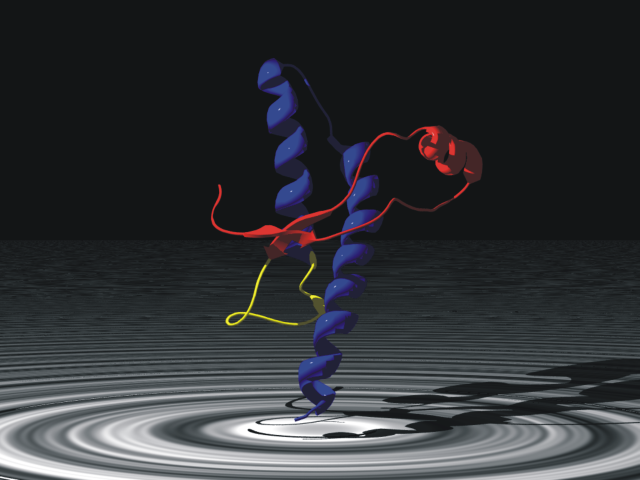
Kuru is caused by an abnormally folded form of the host prion protein. These misfolded proteins are infectious agents that can induce normal prion protein molecules to adopt the same abnormal conformation, resulting in neuronal dysfunction and loss. In the historical epidemic among the Fore, transmission occurred through ritual endocannibalism: eating tissues from deceased relatives during mortuary practices. While brain tissue contains the highest concentration of infectious prions, transmission can occur from consumption of other infected human tissues as well.
Clinical features and course
The clinical course is progressive. Early signs typically include unsteady gait and tremor affecting coordination. As disease advances, patients develop marked ataxia, difficulty speaking and swallowing, and profound weight loss. Emotional disturbances — including inappropriate laughter and changes in affect — were prominent in many descriptions. Cognitive decline and severe motor incapacity follow, and the illness is ultimately fatal. The incubation period can be long, with years or even decades separating exposure and symptom onset in some cases.
Pathology and diagnosis
Neuropathological examination reveals neuronal loss, spongiform change of the brain, and accumulation of protease-resistant prion protein. In living patients, diagnosis is based on the clinical picture and a compatible exposure history; specialized laboratory tests can support a diagnosis of prion disease but definitive confirmation may require postmortem neuropathology. Kuru is related to other human prion diseases such as Creutzfeldt–Jakob disease (CJD) but is epidemiologically distinct because of its historical link to cannibalistic transmission within a defined population.
History, control and legacy
Field studies among the Fore in the mid-20th century established the connection between kuru and mortuary practices. When those practices ceased through cultural change and public-health measures, new case numbers declined markedly; however, the long incubation period meant cases continued to appear for many years afterward. Research on kuru provided key evidence that infectious proteins (prions) can transmit human disease and helped shape modern understanding of protein-misfolding disorders and infection control for prion diseases.
Importance and further reading
- Kuru is important historically and scientifically because its study clarified the concept of prion transmission and influenced responses to other prion diseases.
- For general background and accessible summaries see basic overviews.
- For historical and epidemiologic accounts of the Fore investigations consult field reports.
- For reviews of prion biology and comparisons with Creutzfeldt–Jakob disease see prion research reviews and specialist sources at disease reference pages.
Related articles
Author
AlegsaOnline.com Kuru: human prion disease linked to ritual cannibalism Leandro Alegsa
URL: https://en.alegsaonline.com/art/54687
Sources
- ncbi.nlm.nih.gov : "Review. Understanding kuru: the contribution of anthropology and medicine"
- doi.org : 10.1098/rstb.2008.0072
- pubmed.ncbi.nlm.nih.gov : 18849287