
Laminitis: disease of the hoof in horses, cattle and other ungulates
Laminitis is inflammation of the laminae that bond the hoof wall to the coffin bone. It causes pain, lameness and structural failure of the hoof; early detection, supportive care and treating underlying causes are essential.
Overview
Laminitis is a painful condition of the hoof in hoofed mammals in which the sensitive laminae that attach the hoof wall to the distal phalanx (coffin bone) become inflamed and fail. It occurs most commonly in domestic horses horses and cattle cattle, but can affect sheep, goats and other ungulates. In chronic or severe cases the coffin bone can rotate or sink, a process sometimes called founder.
Image gallery
7 Images


Causes and risk factors
Multiple pathways can lead to laminitis. Common contributing factors include metabolic or endocrine disorders (insulin dysregulation, equine Cushing’s/PPID), sudden access to high-energy pasture or grain, severe systemic illness or toxin exposure (for example colic or sepsis), mechanical overload of a limb after injury, and some drug or steroid reactions. Obesity, poor hoof care and rapid changes in diet increase risk.
Pathophysiology and clinical signs
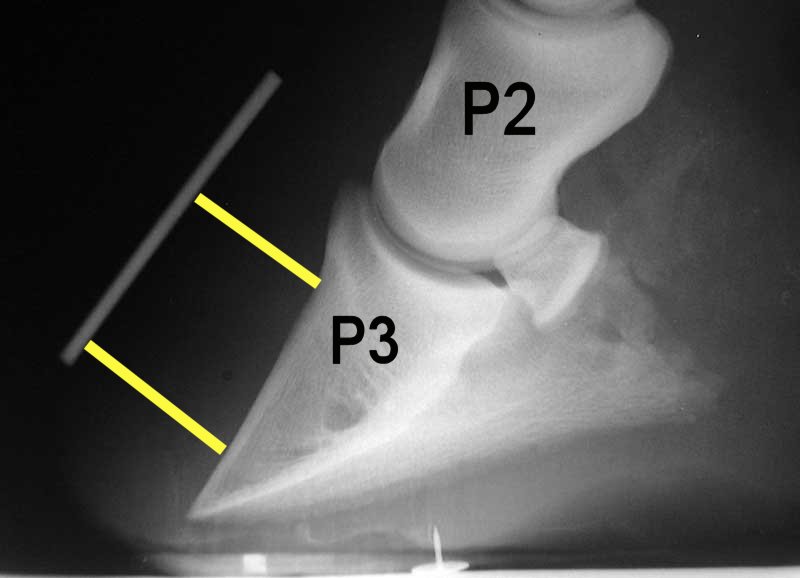
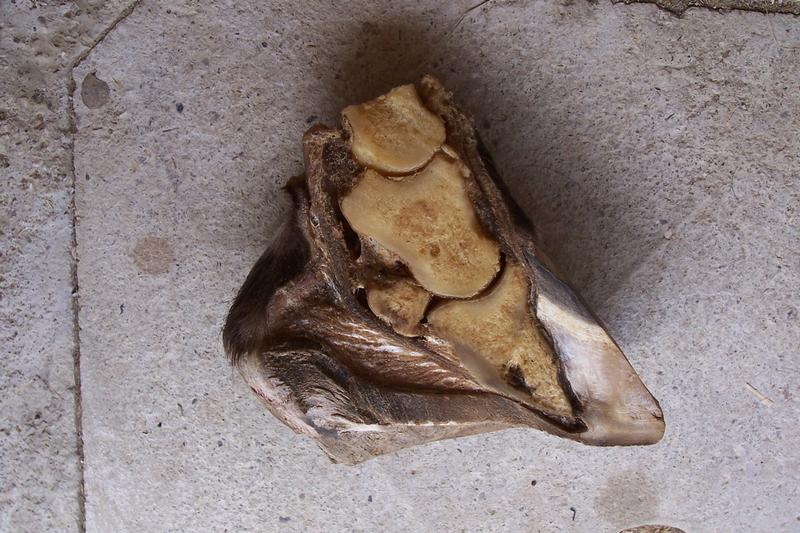
Laminitis involves inflammation and weakening of the laminar junction between hoof capsule and coffin bone. As the attachment fails the distal phalanx may rotate or displace downward (sinking), altering hoof shape and biomechanics. Early signs include reluctance to move, shifting weight, a stilted gait, increased digital pulses, warmth in the hooves and sensitivity to hoof testers. Chronic cases show distorted hoof rings, abnormal growth and, in worst-case scenarios, penetration of bone through the sole.
Diagnosis
Diagnosis begins with a clinical exam and history. Vets use observation, hoof testing and palpation of digital pulses, and often radiography to evaluate the position of the coffin bone and degree of rotation or sinking. Laboratory testing may assess systemic illness or endocrine status (insulin, ACTH). Prompt veterinary assessment helps determine severity and plan treatment.
Treatment and management
Immediate management focuses on pain control, limiting movement, and reducing further laminar damage. Typical measures include stall rest, nonsteroidal anti‑inflammatories, cryotherapy in the early acute phase, corrective trimming and mechanical support (pads or special shoeing) to redistribute load. Treating underlying causes—resolving sepsis, dietary changes for insulin regulation, or medical treatment for endocrine disease—is essential. Severe, irreversible hoof failure may necessitate euthanasia in individual animals when welfare cannot be restored more information.
Prevention and prognosis
Prevention emphasizes identifying at‑risk animals, careful feeding and pasture management, maintaining healthy body condition, routine farriery and rapid treatment of systemic disease. Prognosis varies widely depending on cause, promptness of treatment and the degree of structural damage. Many animals recover with intensive care, while some progress to chronic lameness or require euthanasia if pain and function cannot be controlled.
Related articles
Author
AlegsaOnline.com Laminitis: disease of the hoof in horses, cattle and other ungulates Leandro Alegsa
URL: https://en.alegsaonline.com/art/55708