
Kumba Ialá — President of Guinea-Bissau (2000–2003)
Biographical overview of Kumba Ialá, leader of the Social Renewal Party and president of Guinea-Bissau from 2000 to 2003, his political career, conversion to Islam, and legacy.
Kumba Ialá (also spelled Yalá; 15 March 1953 – 4 April 2014) was a Bissau-Guinean politician who served as the head of state of Guinea-Bissau from 17 February 2000 until a military coup on 14 September 2003. He led the Social Renewal Party (PRS) and rose to prominence in a period marked by repeated institutional instability and competition among civilian and military actors.
Image gallery
2 Images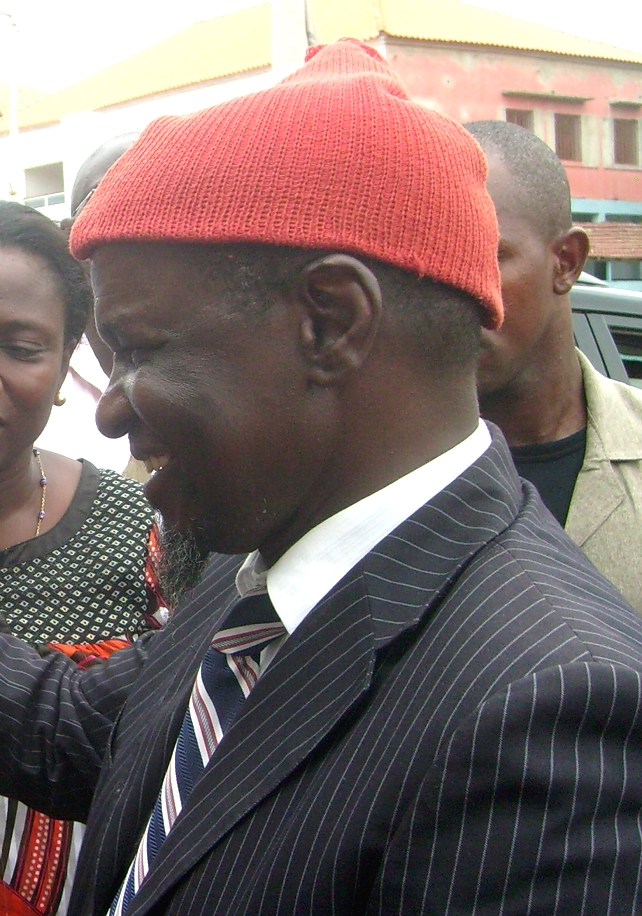

Early life and rise
Born in Bula, in what was then Portuguese Guinea, Ialá emerged as a regional figure during the transition from colonial rule to independence-era politics. He built a base of support through local networks and party organization, and by the late 1990s was one of the better-known opposition leaders. His victory in the 1999–2000 elections reflected public fatigue with earlier governments and a desire for new leadership.
Presidency and governance
As President, Ialá pursued policies intended to strengthen his party and consolidate civilian authority, but his administration struggled with fragile institutions, economic difficulties, and tensions with the military. His time in office was characterized by frequent changes in ministers and advisers, and by efforts to balance competing regional and factional interests. Persistent instability culminated in a bloodless coup in September 2003 that removed him from power and returned the country to interim rule.
Later life, conversion, and death
After leaving the presidency, Ialá remained politically active as the leader of the PRS and continued to participate in public life. In 2008 he publicly converted to Islam and adopted the name Mohamed Ialá Embaló, a personal religious decision that attracted attention in Guinea-Bissau. He died in Bissau on 4 April 2014 from cardiopulmonary arrest at the age of 61.
Legacy and notable facts
Ialá's tenure is remembered for its symbolic break with earlier leaders and for the difficulties of governing a country with limited resources and recurrent military influence. Assessments of his impact vary: supporters emphasize his role in popularizing the PRS and bringing new voices into national politics; critics point to administrative instability and missed opportunities for reform.
- Born: 15 March 1953 in Bula (Portuguese Guinea).
- President of Guinea-Bissau: 17 February 2000 – 14 September 2003.
- Leader of the Social Renewal Party (PRS).
- Converted to Islam in 2008, taking the name Mohamed Ialá Embaló.
- Died: 4 April 2014 in Bissau, cardiopulmonary arrest.
For further context on Guinea-Bissau's political history and parties, see related summaries and timelines that discuss the interactions between civilian governments and the military, and the challenges many West African states face in building stable governance structures.
Related articles
Author
AlegsaOnline.com Kumba Ialá — President of Guinea-Bissau (2000–2003) Leandro Alegsa
URL: https://en.alegsaonline.com/art/54587
Sources
- reuters.com : "Former Guinea-Bissau president Kumba Yala dies aged 61"