
Kōzuke Province (formerly Jōshū or Jōmō)
Kōzuke (上野国) was an historical Japanese province in the area of modern Gunma Prefecture on Honshū, notable for its mountain ranges, castle towns, sericulture and role in the feudal provincial system.
Overview
Kōzuke Province (上野国, Kōzuke no kuni), also called Jōshū or Jōmō, was an administrative division of Japan under the classical Ritsuryō system. It occupied much of what is today Gunma Prefecture on the island of Honshū. The province existed from ancient times until the modern prefectural reorganization in the early Meiji era, and its ancient provincial capital (kokufu) was located near present-day Maebashi.
Image gallery
3 Images

Geography and features
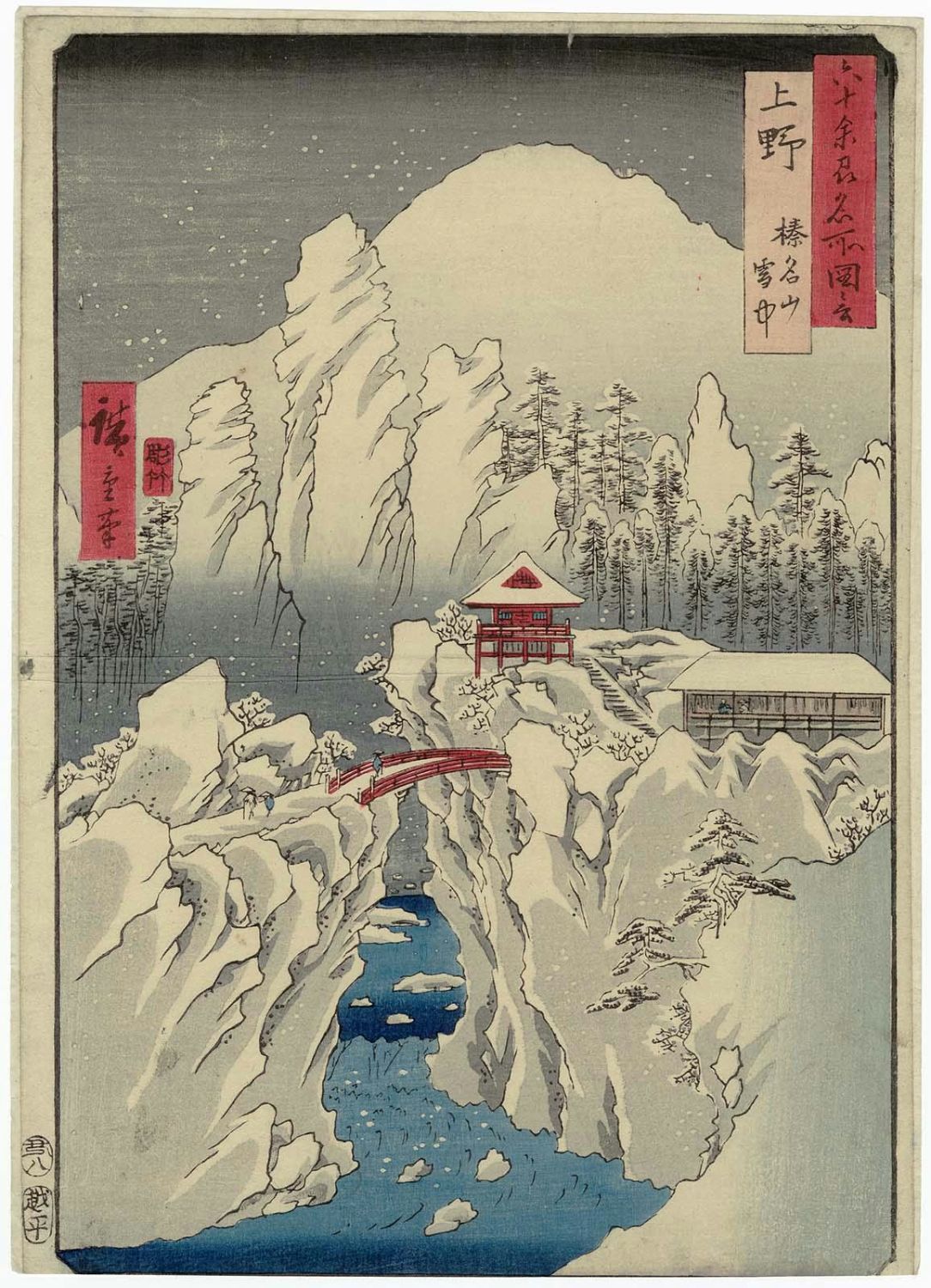
Kōzuke spanned a varied landscape of upland basins, volcanic peaks and river valleys. The province included several prominent mountains and ranges that remain famous today, and important rivers that fed the Kanto plain. These natural features shaped settlement patterns, transportation routes and local economies.
Historical development
Established under the centralized provincial framework of classical Japan, Kōzuke was governed through a mix of provincial officials and, later, by feudal lords (daimyō). During the medieval and early modern periods the territory was divided among multiple domains, and castle towns such as Maebashi and Takasaki grew as administrative and market centers. Like other provinces, Kōzuke was reorganized during the Meiji Restoration when domains were abolished and prefectures created.
Economy, culture and transport
The province combined agriculture in basins with mountain resources higher up. Sericulture and textile production became notable economic activities in the region, and several towns developed reputations for craft industries. Major inland routes that linked the capital region with the interior passed through the province, fostering trade and the growth of post towns.
Notable places and legacy
- Provincial capital: site near Maebashi, the political center under the old system.
- Castle towns: Maebashi and Takasaki emerged as important urban centers in the Edo period.
- Natural landmarks: mountain ranges and river valleys that defined regional life and later tourism.
Today the name Kōzuke survives in historical studies, place names and cultural memory, while the territory largely corresponds to modern Gunma Prefecture. For further historical and geographical details consult specialized regional histories and maps of the provincial system.
Related articles
Author
AlegsaOnline.com Kōzuke Province (formerly Jōshū or Jōmō) Leandro Alegsa
URL: https://en.alegsaonline.com/art/54394
Sources
- books.google.com : "Kōzuke"
- books.google.com : "Provinces and prefectures"
- eos.kokugakuin.ac.jp : "Nationwide List of Ichinomiya," p. 2