
Krottenspitze (Allgäu Alps)
Krottenspitze is a 2,551 m rocky summit on the main ridge of the Allgäu Alps, notable for its dolomite composition, lack of marked trails, and early survey ascent in 1854.
Overview
The Krottenspitze is a rocky mountain peak rising to 2,551 metres in the Allgäu Alps. It stands on the main ridge and is among the summits that are clearly visible from the valley town of Oberstdorf. The peak is distinguished by its steep, craggy profile and its composition of dolomitic rock, which gives the mountain a particular appearance and climbing character.
Image gallery
5 Images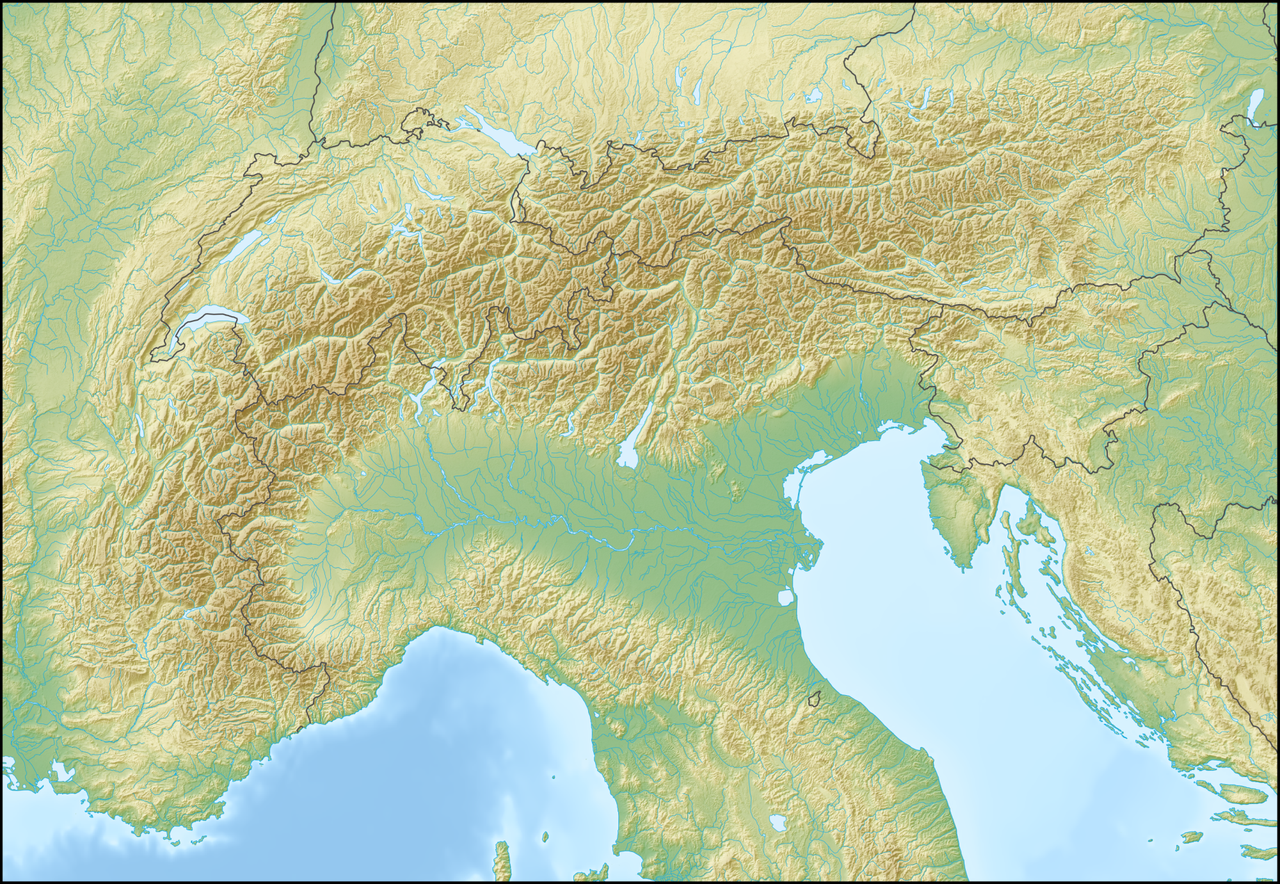


Location and physical characteristics
Situated in the Alpine region commonly called the Allgäu Alps, Krottenspitze forms part of the high ridge line that separates several high cirques and valleys. The summit itself is predominantly rocky rather than grassy, and lacks extensive permanent snowfields at lower elevations. From many viewpoints in the Oberstdorf area the summit is one of the few unmistakable rocky crowns on the skyline.
Geology
The mountain is largely made of dolomite, a carbonate rock closely related to limestone. Dolomite often weathers into sharp, brittle blocks and fractured faces rather than smooth slabs, which affects how routes form and how climbers move on the rock. The presence of dolomite contributes to the peak's steep cliffs and broken ledges and can require careful route selection and testing of handholds.
History and first ascent
Historical records indicate the Krottenspitze was first climbed in 1854 for the purposes of survey work. During the 19th century many alpine summits were ascended as part of mapping and triangulation efforts; such early climbs were typically carried out by surveyors or geographers rather than recreational mountaineers. That practical origin contrasts with later ascents made for exploration and sport.
Access, routes and safety
There are no marked or signed tourist trails to the Krottenspitze, so reaching the summit normally requires alpine experience, careful route-finding and often scrambling over loose rock. Because of the lack of maintained paths and the dolomitic rock, the area is recommended only for experienced hikers and climbers equipped for exposed terrain and sudden weather changes.
- Plan routes using up-to-date maps and local guidance.
- Expect unmarked terrain and sections of loose or brittle rock.
- Carry appropriate alpine equipment and check forecasted conditions.
Importance and distinctions
Although not among the highest Alpine summits, Krottenspitze is noted for its distinct rocky silhouette on the Allgäu main ridge and for its survey-era first ascent. Its unmarked character preserves a wilder mountain experience compared with more developed nearby peaks. For those researching geology, alpine history, or seeking less-traveled high-ridge walking, the Krottenspitze is a subject of interest. For further reading about the wider region and the rock type that composes the peak, see general information on the Allgäu Alps and on Dolomite.
Questions and answers
Q: How tall is the Krottenspitze mountain?
A: The Krottenspitze is 2,551 metres (8,369 ft) high.
Q: Where is the Krottenspitze located?
A: The Krottenspitze is located in the Allgäu Alps.
Q: Is the Krottenspitze a rocky summit or a snowy peak?
A: The Krottenspitze is one of the few rocky summits of the main ridge.
Q: Can tourists hike to the Krottenspitze using marked trails?
A: No, there are no marked routes to the Krottenspitze.
Q: When was the Krottenspitze first climbed and why?
A: The Krottenspitze was first climbed in 1854 for survey work.
Q: What is the Krottenspitze made of?
A: The Krottenspitze is made of Dolomite.
Q: From where is the Krottenspitze visible?
A: The Krottenspitze is visible from Oberstdorf.
Related articles
Author
AlegsaOnline.com Krottenspitze (Allgäu Alps) Leandro Alegsa
URL: https://en.alegsaonline.com/art/54498