
Krapina–Zagorje County
Northern Croatian county centered on Krapina, covering much of Hrvatsko Zagorje; notable for rolling hills, thermal spas, castles, the Krapina Neanderthal site and a border with Slovenia.
Overview
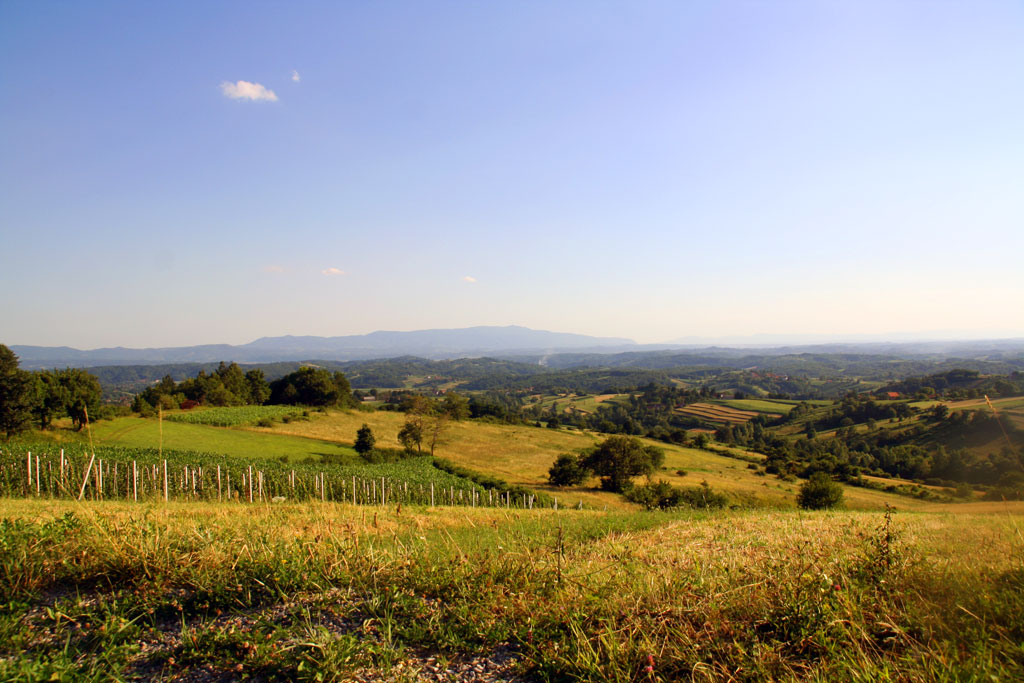
Krapina–Zagorje County is an administrative region in northern Croatia, with the county seat in Krapina. The county covers the greater part of the historic area known as Hrvatsko Zagorje, a landscape of low hills, vineyards and small river valleys. To the north and west it shares an international border with Slovenia.
Image gallery
10 Images


Geography and settlements
The terrain is predominantly rolling countryside rather than high mountains, and it is dotted with villages, market towns and manor houses. The region's settlements range from the administrative centre, Krapina, to other notable towns such as Zabok, Pregrada, Donja Stubica and Zlatar. Many communities are clustered along river valleys and transport corridors that link the county with the Croatian capital region.
History and cultural heritage
Hrvatsko Zagorje has a long history visible in medieval castles, baroque churches and traditional rural architecture. One of the county's best-known archaeological sites is the Krapina Neanderthal locality, whose discoveries have international importance for the study of early human prehistory. The modern county organization was created after Croatia's independence as part of the country's local government reform.
Economy, traditions and tourism
The local economy combines agriculture—fruit growing, vineyards and small-scale farming—with light industry, crafts and services. The county is also known for thermal spas and health resorts, as well as preserved folk customs, local cuisine and regional festivals. Traditional dishes and sweets from Zagorje are part of the area's cultural draw for visitors.
Notable sites and travel tips
- Krapina Neanderthal Museum and archaeological area — important for paleoanthropology.
- Historic castles and manor houses, many adapted as museums or event venues.
- Thermal spa centres and wellness resorts popular with domestic and regional tourists.
- Scenic routes for cycling, wine-tasting and rural tourism that highlight local crafts and gastronomy.
Visitors often combine cultural sightseeing with outdoor activities in the rolling Zagorje hills. The county's proximity to larger Croatian urban areas and the border with Slovenia makes it accessible for short trips and day visits from other parts of the country.
Related articles
Author
AlegsaOnline.com Krapina–Zagorje County Leandro Alegsa
URL: https://en.alegsaonline.com/art/54414
Sources
- dzs.hr : Statistički ljetopis Republike Hrvatske 2015
- worldcat.org : 1333-3305
- dzs.hr : "Population by Age and Sex, by Settlements, 2011 Census: County of Krapina-Zagorje"
- dzs.hr : "2-2. Županije, površina, stanovništvo, gradovi, općine i naselja (teritorijalni ustroj prema stanju 31. prosinca 2017.) - Statistički ljetopis Republike Hrvatske 2018"
- commons.wikimedia.org : Krapina-Zagorje County
- tools.wmflabs.org : 46°07′30″N 15°48′25″E / 46.125°N 15.807°E / 46.125; 15.807