
Kow Swamp — lake, wetland and archaeological site in north-central Victoria
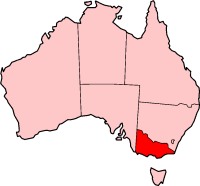
Kow Swamp is a shallow reservoir and former wetland in north-central Victoria, Australia, notable for irrigation use, wildlife habitat and a well-known Pleistocene human skeletal site.
Overview
Kow Swamp is a shallow inland lake in north-central Victoria in Australia. Historically a natural swamp, it was modified and is now managed as a water-storage body that supports local agriculture, recreation and wildlife. The place is also known to archaeologists for human skeletal remains excavated there in the 20th century.
Image gallery
4 Images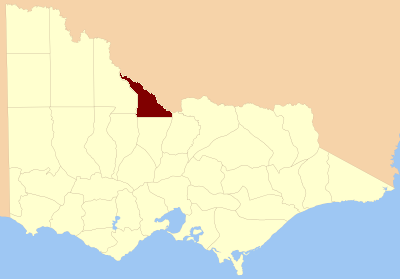


Physical characteristics
The feature is broad and shallow rather than a deep reservoir; seasonal water levels and vegetation reflect its origin as a wetland. Surrounding land is largely agricultural, and the lake functions as a stored water resource supporting nearby farms and providing habitat for waterbirds and aquatic life.
Archaeological significance
Kow Swamp is the name applied to a set of skeletal remains recovered from the site during excavations in the mid-1900s. These remains have been important to discussions about the antiquity and biological diversity of Aboriginal populations in Pleistocene and Holocene Australia. Analyses of the fossils and their context have contributed to research on human prehistory in the region.
Uses and ecology
The lake is used for irrigation water storage, low‑intensity recreation such as birdwatching and fishing, and as a seasonal refuge for wetland species. Conservation interests focus on balancing water use with habitat protection and maintaining the wetland character that supported indigenous plants and animals when it was a natural swamp (former swamp).
Notable facts and distinctions
- Combines cultural and natural heritage: an archaeological locality and working water resource.
- Typical of many inland Australian wetlands that have been altered for storage yet remain important for biodiversity.
- Often cited in discussions about early human occupation of the Australian continent because of the skeletons found there.
For further regional context and management details, consult local environmental and heritage authorities or regional overviews linked from official resources.
Related articles
Author
AlegsaOnline.com Kow Swamp — lake, wetland and archaeological site in north-central Victoria Leandro Alegsa
URL: https://en.alegsaonline.com/art/54373
Sources
- g-mwater.com.au : "Kow Swamp"