
Kortrijk (Courtrai) — historic city on the Leie in West Flanders
Kortrijk (French: Courtrai) is a Belgian city on the river Leie in West Flanders, known for its medieval centre, the UNESCO-listed Beguinage, historical battles and a long textile and design tradition.
Overview
Kortrijk (Dutch) or Courtrai (French) is a city in the Belgian province of West Flanders. It sits on the banks of the river Leie (Lys) and has a compact historic centre with cobbled streets, market squares and a mix of medieval and later architecture. The city plays a regional role as an administrative, cultural and commercial hub and is often visited for its historic sites and local festivals. Regional information provides context for its administrative setting.

Image gallery
10 Images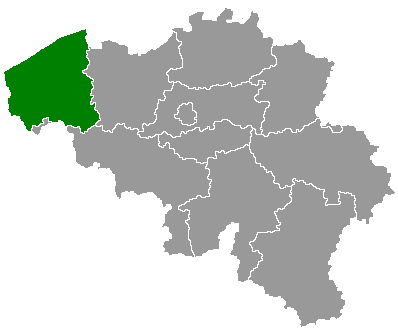





Geography and transport
Kortrijk's urban area is shaped by the Leie valley and several historic bridges that once linked medieval neighbourhoods. Its location between larger Flemish cities gives it good rail and road connections to places such as Ghent, Bruges and Brussels, and to cross-border destinations. The city centre is compact and pedestrian-friendly, making it easy to explore on foot or by bicycle. Practical travel and visitor details are available through local transport guides (see transport and access).
History and identity
The city has deep medieval roots and was long associated with the textile industry, particularly flax and linen processing along the Leie. Kortrijk is also remembered for the Battle of the Golden Spurs (1302), a landmark encounter in medieval Flemish history that shaped regional identity. Over centuries, Kortrijk evolved from a fortified market town into a modern municipality while preserving many historic streets and monuments.

Beguinage and heritage
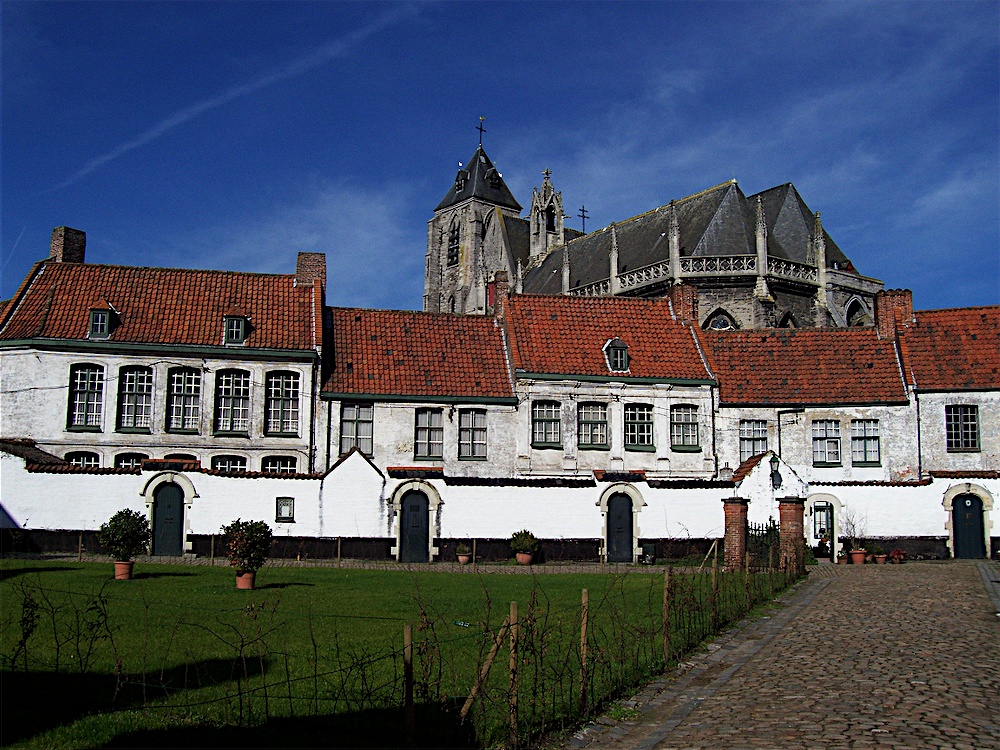
One of Kortrijk's best-known heritage sites is the Beguinage (Begijnhof), a well-preserved complex of narrow lanes, small houses and communal spaces where beguines—religious women who lived in semi-monastic communities—resided. This Beguinage is recognized for its cultural and architectural value and is included on the UNESCO World Heritage list. Information about the nomination and significance of local monuments can be found via cultural resources (UNESCO and heritage).
Notable sights, culture and economy
Visitors often seek out a small cluster of landmarks that illustrate Kortrijk's past and present. Highlights include:
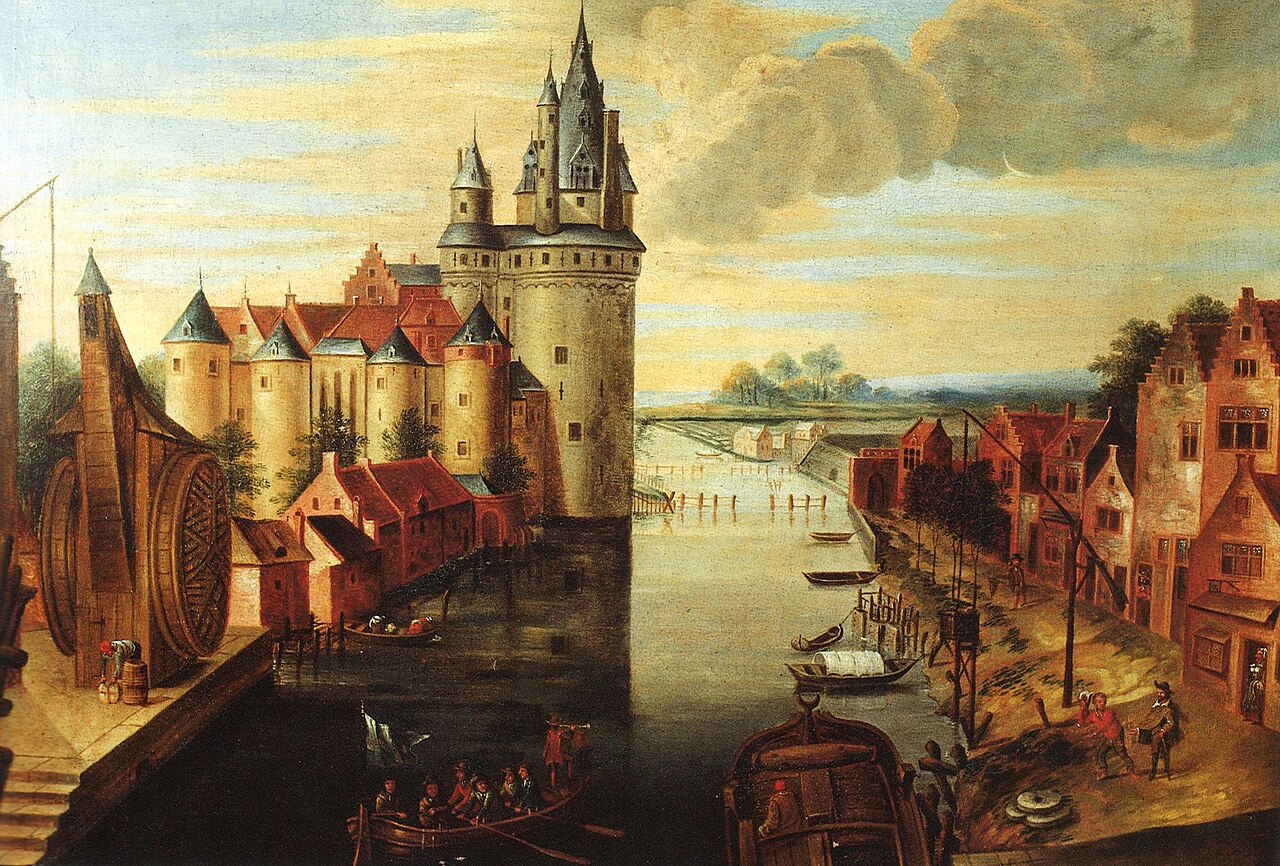
- Historic fortifications and waterside towers that recall the city's medieval defences.
- The belfry and main church buildings with Gothic and neo-Gothic elements.
- Museums and contemporary design venues; the city has a reputation for textile heritage and modern design events.
Kortrijk combines a readable urban centre with preserved historical fabric and a living civic culture, making it both a destination for heritage visitors and a functional regional centre for residents and businesses.
Related articles
Author
AlegsaOnline.com Kortrijk (Courtrai) — historic city on the Leie in West Flanders Leandro Alegsa
URL: https://en.alegsaonline.com/art/54314
Sources
- statbel.fgov.be : Werkelijke bevolking per gemeente op 1 januari 2007 (.xls)
- statbel.fgov.be : Geografische coördinaten van de gemeenten (.xls)