
Kosovska Mitrovica
Kosovska Mitrovica (Mitrovica) is a divided city in northern Kosovo, known for its multiethnic population, industrial past around the Trepča mines, and its role in post‑1999 political arrangements.
Overview
Kosovska Mitrovica, often shortened to Mitrovica, is a city in northern Kosovo located on the banks of the Ibar River. The urban area is distinct for its north–south division: the northern part is predominantly Serb and the southern part predominantly Albanian. The city has been an important local centre for industry, education and transport.

Image gallery
10 Images
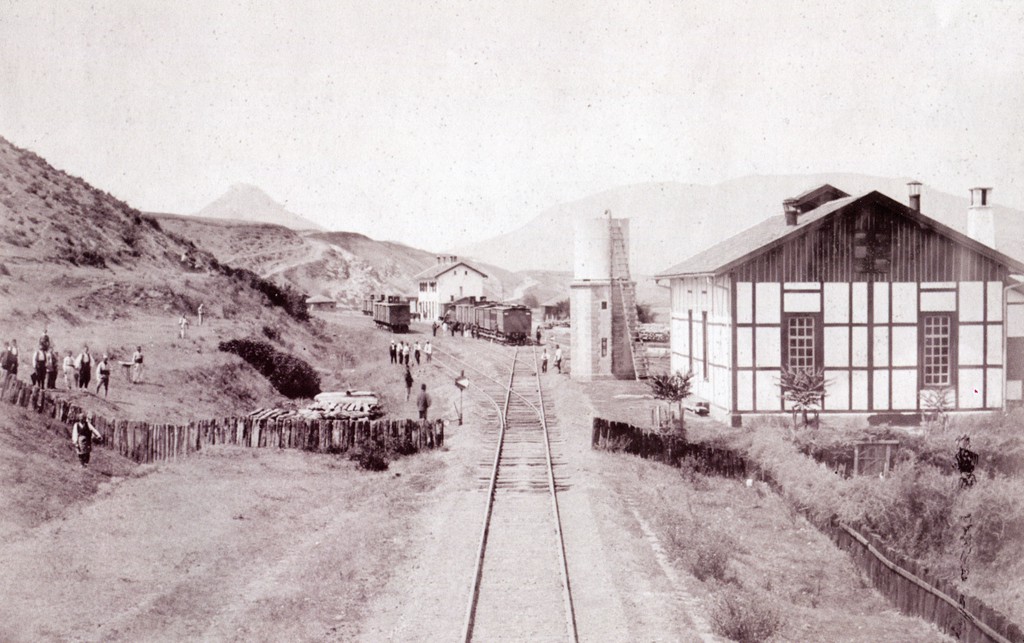


Geography and population
Mitrovica lies in a hilly region of Kosovo and grew around the river crossing that separates the two main communities. Estimates of the municipality's population are commonly given in the tens of thousands; the city is sometimes reported with figures near 96,000. Both Serbian and Albanian are widely spoken and used in public life; municipal arrangements have been affected by the broader political situation in Kosovo.
History and development
The town's name traces back to Saint Demetrius (Dimitrije) and during the Yugoslav era it was renamed Titova Mitrovica for a period. In the 20th century Mitrovica developed as an industrial hub, largely because of the nearby Trepča mining complex which produced lead, zinc and other minerals and shaped the local economy. After the 1998–1999 conflict in Kosovo the city became a focal point of ethnic tension and was effectively divided along the Ibar River; international peacekeeping and administrative missions have been present in the area since then.
Economy, education and culture
The legacy of mining and heavy industry still influences Mitrovica, though economic activity has diversified and faced challenges as a result of post‑conflict transition. The city hosts higher education institutions and a local campus of the University of Pristina, which serves students from the region. Cultural life reflects the coexistence of Albanian and Serbian traditions, with religious sites, markets and local events important to both communities.
Contemporary significance
Kosovska Mitrovica remains politically and symbolically significant in discussions about Kosovo's governance, minority rights and interethnic relations. The bridge over the Ibar is often described as a visible line between communities, and the city appears in international reporting and diplomatic dialogue about northern Kosovo. For more general information about Kosovo’s capital, see Pristina, while nearby localities and northern administrative issues are discussed in sources linked here: nearby town and North Kosovo.
Related articles
Author
AlegsaOnline.com Kosovska Mitrovica Leandro Alegsa
URL: https://en.alegsaonline.com/art/54331