
Koochiching County, Minnesota
Koochiching County in northern Minnesota is a sparsely populated, lake- and forest-rich border county with International Falls as its seat, known for outdoor recreation, forestry, and cross-border links with Canada.
Koochiching County is a county in the U.S. state of Minnesota. It had 13,311 residents at the 2010 census and is administered from the county seat, International Falls. The county covers a large area of northern Minnesota and is characterized by extensive forests, wetlands and a network of lakes and rivers that shape both daily life and local economies.
Image gallery
3 Images

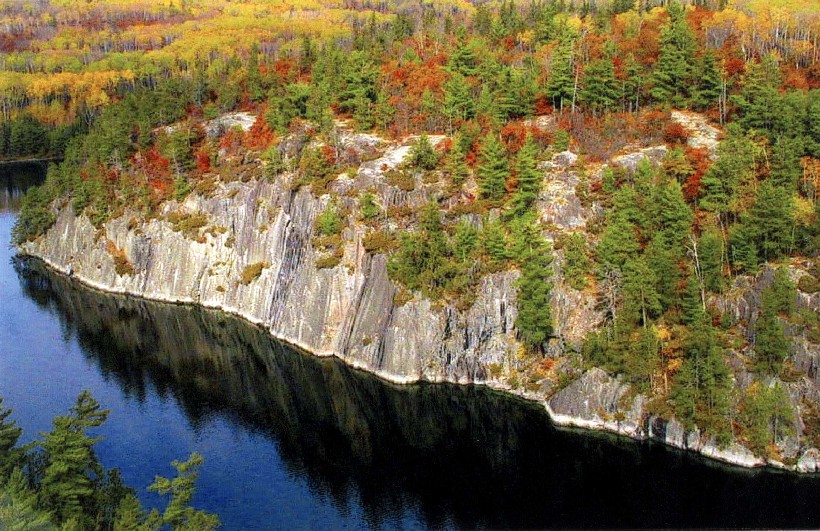
Geography and landscape
Koochiching County occupies a broad swath of the northern Minnesota landscape along the United States–Canada border. Its terrain mixes boreal and temperate forest types, numerous inland lakes, and segments of major waterways. The Rainy River and associated lakes influence settlement patterns and provide a natural boundary with Ontario. Parts of federally protected lands for conservation and recreation are found within the county.
History and name
The county's name comes from a word in the Ojibwe language, reflecting the long presence of Indigenous peoples in the region before European-American settlement. Euro-American development was driven by resource extraction and transportation that followed waterways and emerging rail and road links. The county government and many modern communities formed in the late 19th and early 20th centuries as logging and trade expanded northward.
Economy and communities
The local economy has traditionally relied on natural-resource industries such as forestry, together with manufacturing and services in larger towns. Tourism and outdoor recreation have grown in importance, drawing visitors to fishing, boating and wildlife watching. The county seat, International Falls, serves as a regional hub and maintains close economic and social ties across the border with Canadian communities.
Recreation, conservation and wildlife
Outdoor activities are a central part of life and appeal to visitors. Popular pursuits include:
- Fishing and boating on lakes and rivers
- Hunting and trapping in managed forest lands
- Hiking, snowmobiling and winter sports
- Birdwatching and nature photography in protected areas
Portions of national and state conservation areas intersect the county, helping protect habitat and support recreation-based businesses.
Notable facts and identity
Koochiching County is notable for its low population density, expansive natural areas and a climate that features long, cold winters — traits that have earned surrounding communities recognition for extreme winter conditions. Its position along the international border gives it a distinctive cross-border character, with transport, cultural exchange and shared natural resources shaping local priorities.
For more detailed maps, demographic trends and services, consult county government resources and regional planning organizations (county information, state resources and visitor guides linked by local tourism bureaus) or local historical sources for deeper accounts of settlement and Indigenous history.
Related articles
Author
AlegsaOnline.com Koochiching County, Minnesota Leandro Alegsa
URL: https://en.alegsaonline.com/art/54232