
Kodiak, Alaska
Kodiak is the principal community on Kodiak Island, Alaska, known for its fishing industry, Alutiiq heritage, maritime climate, and proximity to the Kodiak bear and wildlife refuge.
Kodiak is the principal community on Kodiak Island in the Gulf of Alaska. Located on a sheltered harbor, the city serves as a regional hub for transportation, commerce and services for the surrounding island and nearby archipelago. It is one of seven communities on the island and functions as a gateway for visitors, commercial fishing fleets and coastal travel. For general information see Kodiak and Alaska.
Image gallery
10 Images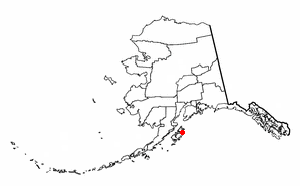


Geography and climate
Kodiak lies on an island fronting the North Pacific. The environment is maritime with relatively cool summers and mild, wet winters compared with Alaska's interior; frequent clouds, rain, fog and strong coastal winds are typical. Terrain near the town includes rocky shorelines, forested hills and nearby mountains, while the surrounding sea supports rich marine life that underpins the local economy.
History and development
The island's first inhabitants were the Alutiiq (Sugpiaq) people, who developed a coastal subsistence culture centered on fishing, sea mammal hunting and gathering. European contact began in the 18th century when Russian explorers and traders established posts and missions. During that period Kodiak became an important center of Russian activity in the North Pacific. After the United States purchased Alaska from Russia in 1867, Kodiak continued to grow around marine industries, supply services and transportation links that connected the island to the mainland.
Economy and services
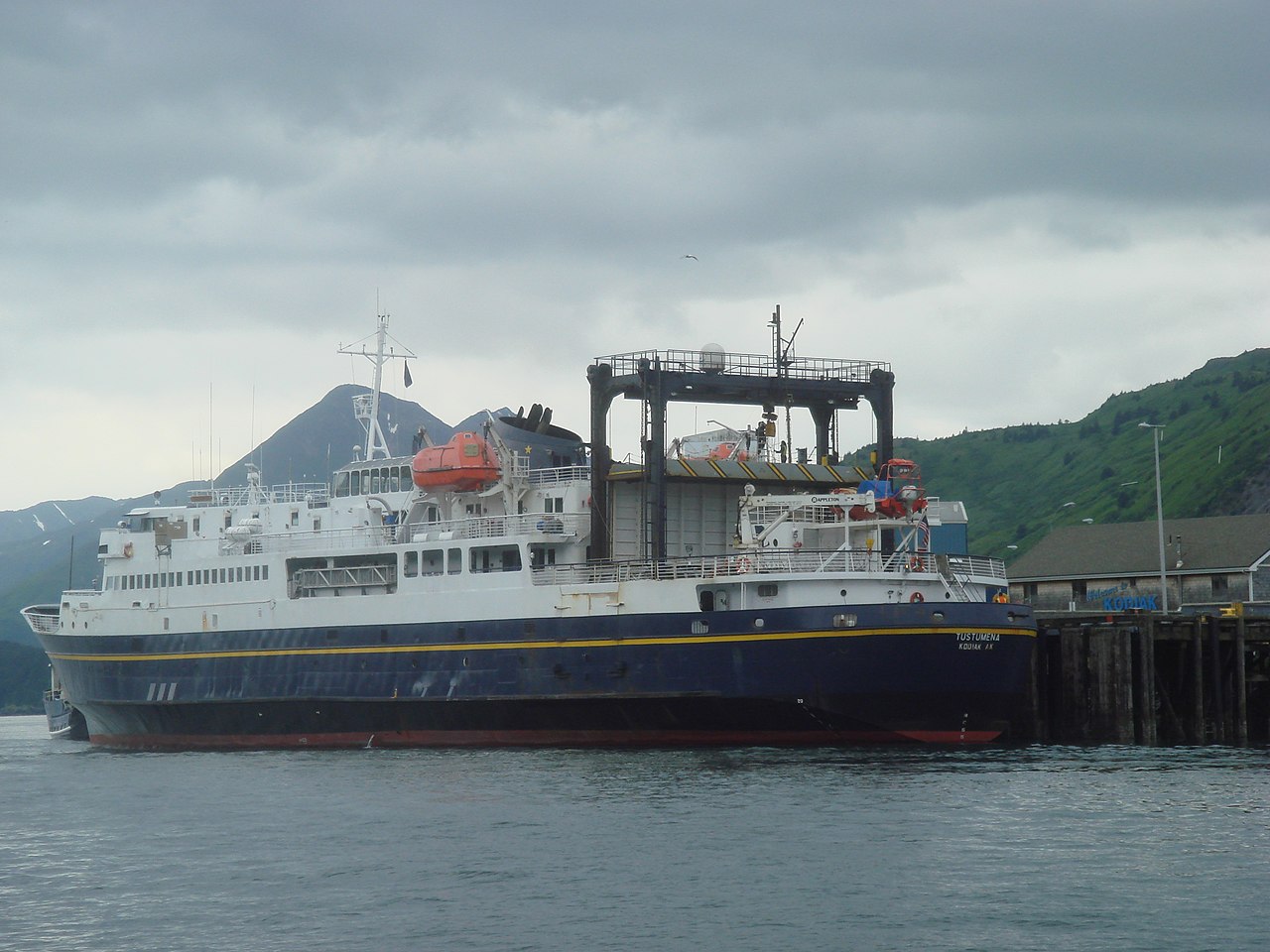
Fishing and seafood processing remain the foundation of Kodiak's economy. The port supports commercial fishing fleets, canneries and fish processing facilities, as well as a busy tender and supply trade. Additional employment and infrastructure come from transportation, public services, the U.S. Coast Guard and small-scale tourism. Kodiak has an airport and ferry connections that provide essential links to other Alaskan communities.
Culture, recreation and wildlife
The local culture reflects both the indigenous Alutiiq heritage and the later Russian and American influences. Cultural institutions, craft traditions and seasonal subsistence activities keep historical ties alive. Outdoor recreation—fishing, boating, hiking and wildlife viewing—is a major draw. The Kodiak Archipelago is famous for the Kodiak bear and extensive marine and bird life; much of the island's interior and surrounding islands are managed as wildlife refuge and conservation areas.
Notable facts and distinctions
- Kodiak is the main population and service center on Kodiak Island and supports neighboring villages.
- The town's harbor makes it an important port for the North Pacific commercial fishing industry.
- Its history includes long-standing indigenous occupancy, a period as a Russian colonial center, and development under American governance after the 1867 transfer.
Visitors and residents alike value Kodiak for its combination of maritime economy, living cultural traditions and access to rugged coastal wilderness. The community balances commercial activity with stewardship of marine and terrestrial resources that sustain both people and wildlife.
Related articles
Author
AlegsaOnline.com Kodiak, Alaska Leandro Alegsa
URL: https://en.alegsaonline.com/art/54083
Sources
- census.gov : "US Gazetteer files: 2010, 2000, and 1990"
- www2.census.gov : "2016 U.S. Gazetteer Files"