
Kokkola — coastal town in Central Ostrobothnia, Finland
Kokkola (Swedish: Karleby) is a bilingual coastal town in Central Ostrobothnia, Finland, founded in 1620. It is a regional centre with a historic wooden district, industry, a port and nearby cultural sites.
Kokkola (Swedish: Karleby) is a coastal town and regional centre in Central Ostrobothnia. Located on the Gulf of Bothnia in western Finland, Kokkola combines an urban core, industrial areas and rural surroundings. The municipality is officially bilingual (Finnish and Swedish) and had a population of roughly 47,000 people as of January 2014.
Image gallery
9 Images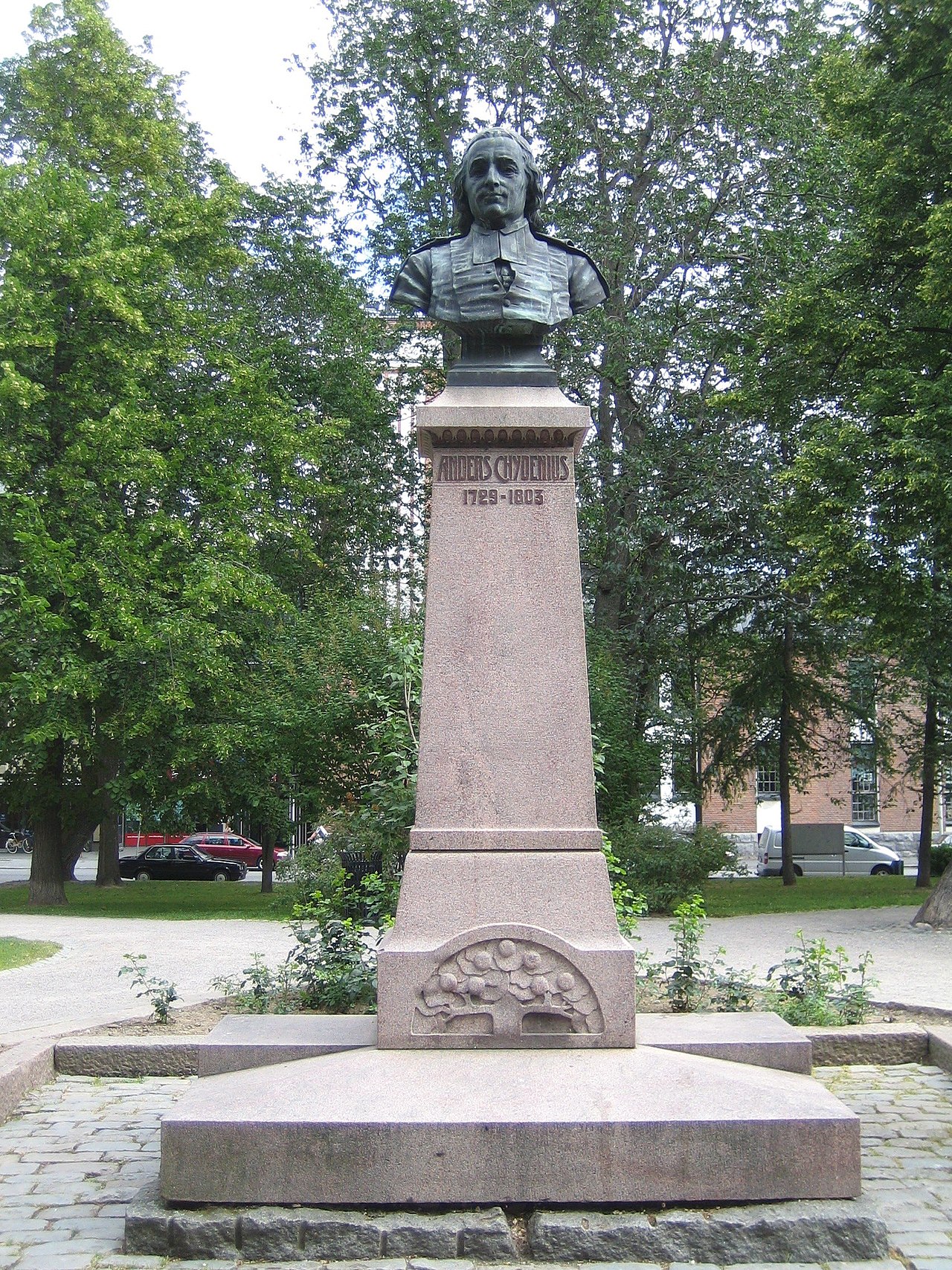


Geography and neighbouring municipalities
Kokkola sits on a low-lying coastline with a mixture of harbour facilities, islands and inland countryside. Nearby municipalities include Halsua, Kalajoki, Kannus, Kaustinen, Kruunupyy, Lestijärvi, Luoto and Toholampi. These neighbouring communities reflect the region's blend of agriculture, forestry and coastal commerce.
History and development
The town was founded in 1620 and developed as a trading and seafaring centre. Over the centuries Kokkola grew around its harbour and later diversified into manufacturing and chemical industries. The historic wooden district known as Neristan preserves tightly packed wooden houses and streets that date back to the 17th–19th centuries and is one of the town's distinctive features.
Administration and municipal changes
In 2009 the neighbouring municipalities of Lohtaja, Kälviä and Ullava were consolidated with Kokkola, expanding the town's administrative area and rural population. Today Kokkola functions as the principal municipality for services and governance in the Central Ostrobothnian region.
Economy, transport and culture
Kokkola's economy includes industry, a working port on the Gulf of Bothnia and service sectors. The town hosts a chemical and manufacturing cluster and facilities that handle bulk goods and exports. Transport connections include road and rail links to larger Finnish cities as well as maritime routes. Cultural life draws on both Finnish and Swedish traditions; nearby Kaustinen is internationally known for its folk music festival, and local museums, events and the preserved wooden quarter attract visitors.
Notable facts and identity
- Kokkola is a bilingual municipality where both Finnish and Swedish are in everyday use.
- The historic Neristan wooden district is a prominent heritage area.
- Its port and industrial park make Kokkola an important logistics and manufacturing hub on the west coast.
For more local information and services consult municipal resources and regional guides. Kokkola's mix of coastal landscape, industry and preserved history gives it a distinct identity within western Finland.
Related articles
Author
AlegsaOnline.com Kokkola — coastal town in Central Ostrobothnia, Finland Leandro Alegsa
URL: https://en.alegsaonline.com/art/54152