
Koekelberg — municipality of Brussels: overview, history and landmarks
Koekelberg is a compact, bilingual municipality in the Brussels-Capital Region of Belgium, known for its Art Deco Basilica and dense urban fabric. Coordinates: 50°51′N, 4°19′E. Population cited for 2007: 18,541.
Koekelberg is one of the 19 municipalities that make up the Brussels-Capital Region of Belgium. Administratively independent yet part of the continuous Brussels urban area, it is often described as compact and largely urban. The municipality is officially bilingual (French and Dutch). Its geographic coordinates are 50° 51′ North, 04° 19′ East. A historical population figure commonly cited for planning and reference is 18,541 inhabitants in 2007.
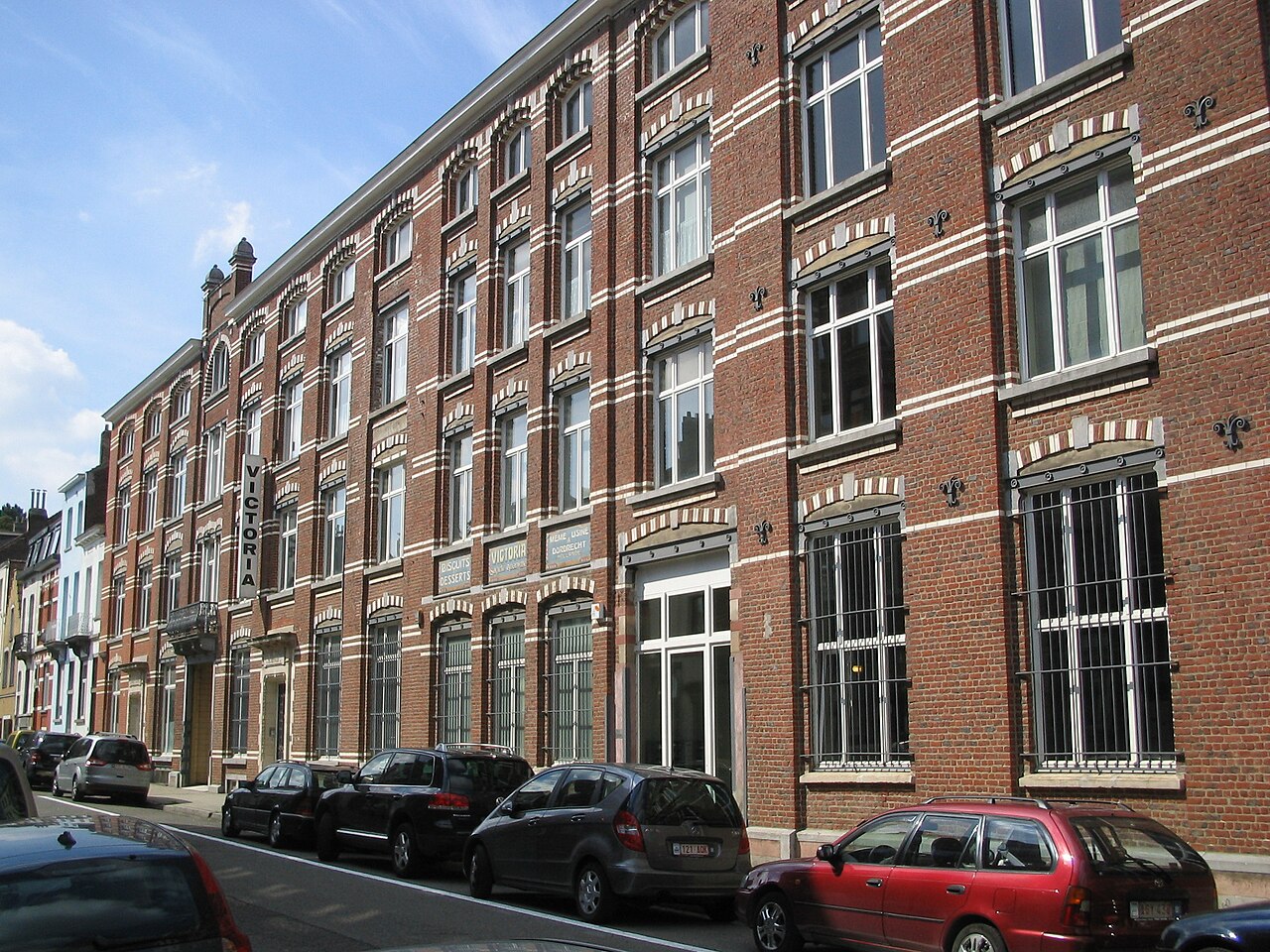
Characterized by a dense mix of housing, small businesses and public space, Koekelberg has a mainly residential profile with pockets of light industry and commerce. Streetscapes show a range of architectural styles from late-19th-century townhouses to 20th-century public buildings. Local parks and squares offer green relief in an otherwise built environment, and community facilities serve a diverse, multinational population.
Image gallery
5 Images



History and development
The area developed as Brussels expanded beyond its medieval core. Historically connected to surrounding working-class districts, Koekelberg experienced industrial and residential growth in the 19th and 20th centuries. Urban renewal and social housing programs shaped much of its modern appearance. Like other Brussels municipalities, Koekelberg has adapted to changing demographics and post-industrial economic shifts while preserving key landmarks.
Landmarks and transport
Its most prominent landmark is the large, Art Deco-style church commonly known as the National Basilica of the Sacred Heart (Basilica of Koekelberg), which dominates the skyline and provides panoramic views of Brussels. The municipality is well served by the city’s public transport network, making it accessible to central Brussels and neighboring districts. Local cultural venues, community centres and markets contribute to everyday life and occasional public events.
- Notable features: the Basilica viewpoint, municipal parks, mixed residential areas.
- Official bilingual administration and local municipal council services.
- Close integration with Brussels’ wider public transport and urban infrastructure.
For more detailed municipal information, public services and current statistics consult the official municipal pages or regional resources. The municipality maintains local government functions such as schools, permits and neighbourhood services. General enquiries and visitor information can be directed through the municipality’s channels of contact here.
Related articles
Author
AlegsaOnline.com Koekelberg — municipality of Brussels: overview, history and landmarks Leandro Alegsa
URL: https://en.alegsaonline.com/art/54091
Sources
- statbel.fgov.be : Werkelijke bevolking per gemeente op 1 januari 2007 / Population de droit par commune au 1 janvier 2007 (.xls)
- statbel.fgov.be : Geografische coördinaten van de gemeenten (.xls)