
Korail (Korea Railroad Corporation) — South Korea's national railway operator
Korail is South Korea's state railway company, operating high-speed, intercity, regional and commuter rail services and freight across the national rail network.
Korail is the common name for the Korea Railroad Corporation, the state-owned enterprise responsible for most passenger and freight rail services in South Korea. It operates an integrated network of high-speed, intercity, regional and commuter trains that link major cities, suburbs and industrial areas. For official schedules and services see Korail.
Image gallery
5 Images

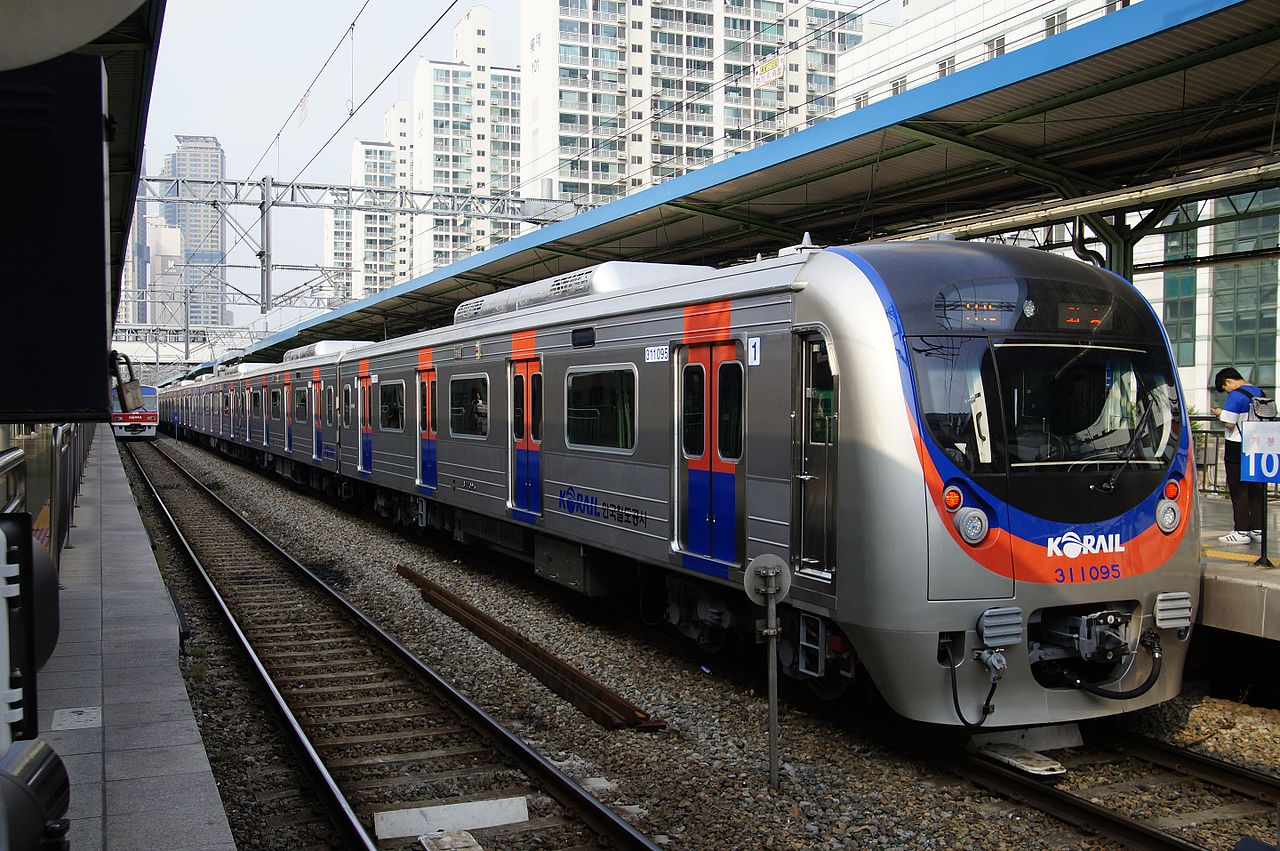
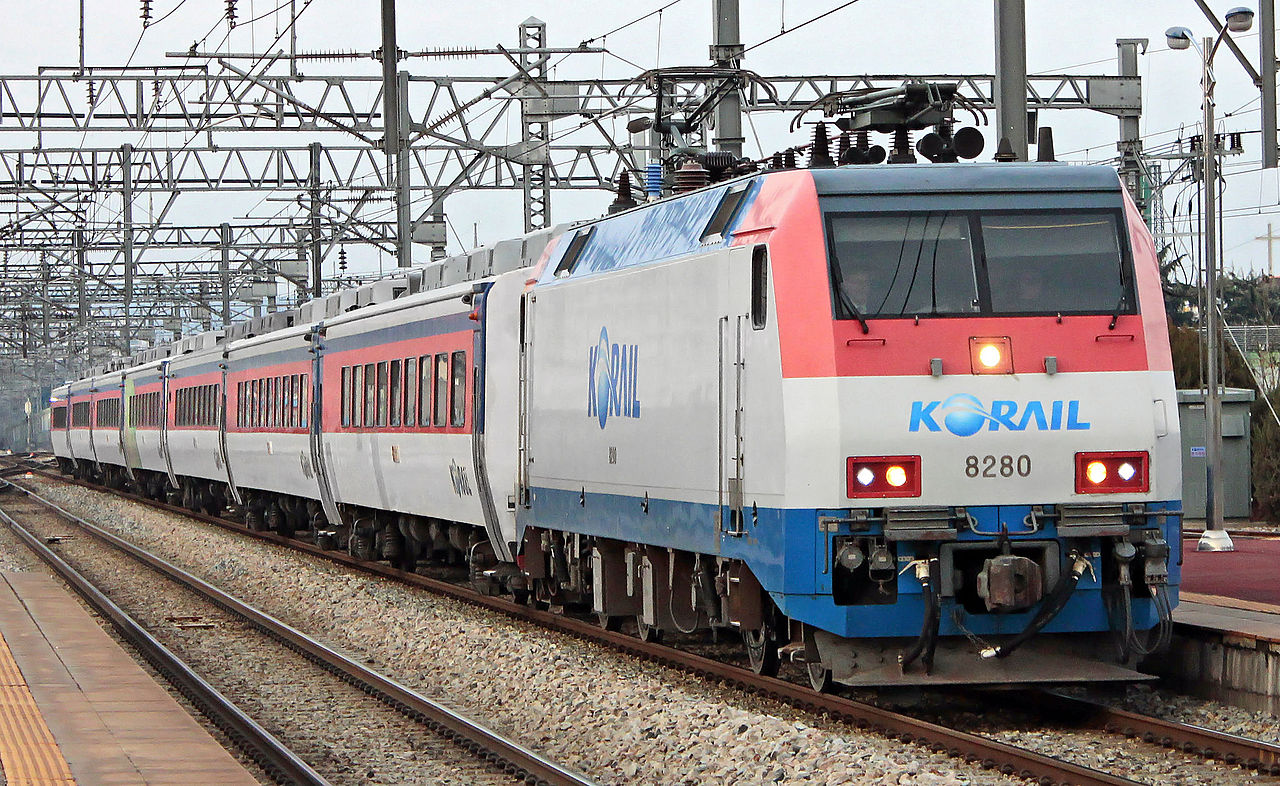

Network and services
Korail runs several distinct service types tailored to distance and speed: high-speed KTX trains for rapid long-distance travel, express and intercity services on principal corridors, regional and local trains connecting smaller communities, and commuter rail lines that form part of metropolitan transit systems. Major corridors include the historic north–south trunk routes that connect Seoul with southern cities, while regional lines branch to provincial centers.
Rolling stock and infrastructure
The operator uses a mix of electric and diesel traction, multiple-unit trains for commuter routes, locomotive-hauled expresses, and high-speed trainsets for KTX services. Infrastructure priorities include electrification, signaling upgrades and station modernisation to improve capacity and punctuality. Maintenance depots and centralized control centers coordinate daily operations and safety oversight.
History and organisation
Korail traces its roots to earlier state rail administrations and was reorganised into the Korea Railroad Corporation in the early 21st century as part of efforts to modernise and streamline rail services. It functions as a public corporation under government oversight, balancing commercial operations with public-service obligations such as regional connectivity and freight logistics.
Uses and importance
Rail plays a central role in South Korea's transport system by offering a reliable alternative to road and air travel, reducing congestion, and supporting commuter flows into urban cores. Freight services are important to manufacturing and export supply chains. Korail's services are widely used by daily commuters, long-distance travelers and businesses.
Notable facts and future directions
Korail is best known internationally for introducing high-speed KTX services, which significantly shortened travel times between major cities. Current priorities include network capacity expansion, improved customer information systems, and greater integration with metropolitan transit. Potential long-term projects address cross-border connectivity and advanced signaling technologies.
- Types of service: High-speed, intercity, regional, commuter, freight
- Key goals: Safety, punctuality, capacity and modernization
- More information: official site: Korail
Related articles
Author
AlegsaOnline.com Korail (Korea Railroad Corporation) — South Korea's national railway operator Leandro Alegsa
URL: https://en.alegsaonline.com/art/54259
Sources
- gbc.korail.com : "2010 Statements of Income"
- kosis.kr : National Statistics Portal
- korail.com : korail.com/
- rail-ro.com : rail-ro.com
- visitkorea.or.kr : visitkorea.or.kr/ena/TR/TR_EN_5_6.jsp