
Kitano Tenman-gū (Kitano Tenjin Shrine)
Kitano Tenman-gū is a major Shinto shrine in Kamigyō-ku, Kyoto, dedicated to Sugawara no Michizane (Tenjin). It is famous for plum blossoms, student votive practices, monthly markets and a long history since the 10th century.
Overview
Kitano Tenman-gū, often called Kitano Tenjin, is a Shinto shrine in the Kamigyō ward of Kyoto dedicated to the kami Tenjin, the deified spirit of the Heian-period scholar and statesman Sugawara no Michizane (845–903). The shrine is a focal point for worshippers seeking success in study and examinations, and it draws visitors year-round for its gardens, seasonal festivals and cultural events. For more detailed visitor information see the official site.
Image gallery
7 Images


History and origin
The shrine is traditionally dated to the mid-10th century, established to appease the vengeful spirit of Michizane after a series of calamities in the capital were attributed to his unrest. Over the centuries the complex has been rebuilt and expanded, reflecting changes in architectural style and ritual practice while remaining a center of Tenjin devotion. Its long association with learning has made it one of the principal Tenman-gū shrines in Japan.
Layout, buildings and natural features
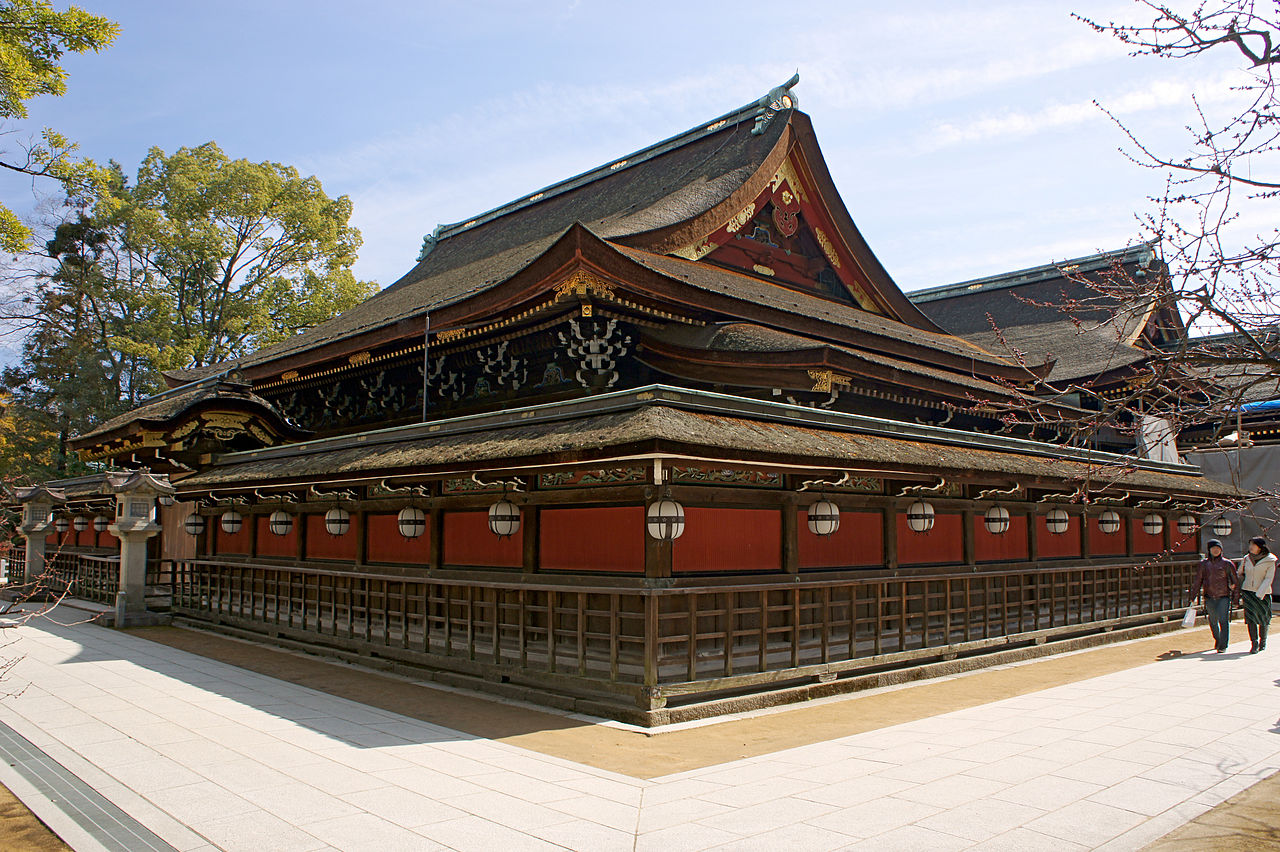
The precinct contains a main hall for worship, subsidiary shrines, and a grove of plum (ume) trees that flower in late winter and early spring. Plum blossoms are intimately associated with Michizane and are celebrated across the site. Stone lanterns, torii gates and small votive stalls line approach paths, and visitors will commonly see ema (wooden prayer plaques) and offerings left by students.
Rituals, festivals and uses
Kitano Tenman-gū is best known for several recurring events and everyday practices:
- Student prayers: Many people, especially examinees, visit to pray for academic success and leave ema inscribed with wishes.
- Plum festivals and viewing: The shrine's plum grove hosts seasonal celebrations when blossoms peak.
- Monthly market: A lively fair traditionally held on the 25th of many months, where antiques, crafts and food are sold.
Significance and distinctions
As one of the leading Tenjin shrines, Kitano Tenman-gū shares religious and cultural importance with other Tenjin sites such as Dazaifu Tenmangū, but its location in Kyoto and its historic ties to the capital give it a distinctive role in courtly and urban culture. The shrine is both a living place of worship and a cultural landmark visited for its seasonal scenery, markets and educational associations. For practical access information and maps consult map and access.
Visitors are encouraged to respect worship practices: purify at the chozuya (water basin), approach the main hall quietly, and refrain from disturbing ceremonies. The combination of religious function, historic depth and seasonal beauty makes Kitano Tenman-gū an enduring symbol of the Tenjin tradition in Japan.
Related articles
Author
AlegsaOnline.com Kitano Tenman-gū (Kitano Tenjin Shrine) Leandro Alegsa
URL: https://en.alegsaonline.com/art/53841
Sources
- books.google.com : "Kitano Tenjin-jinja"
- books.google.com : "Sugawara no Michizane,"
- nytimes.com : "Unfurling a Thousand Years of Gods, Demons and Romance,"
- books.google.com : Shinto in History: Ways of the Kami, pp. 74-75.
- books.google.com : Annales des empereurs du japon, p. 343.