
Shinto shrine (jinja): sacred places of Japan
Shinto shrines (jinja) are sacred sites in Japan where kami are venerated. They combine architectural elements, natural settings, rituals and festivals and play roles in community life and cultural identity.
A Shinto shrine is a focal place of worship in the Shinto tradition where one or more kami (deities, spirits, or sacred powers) are revered. Shrines range from small roadside altars to large complexes with multiple buildings and extensive grounds. The Japanese term for a Shinto shrine is jinja, a word commonly used in signage and literature.
Image gallery
10 Images


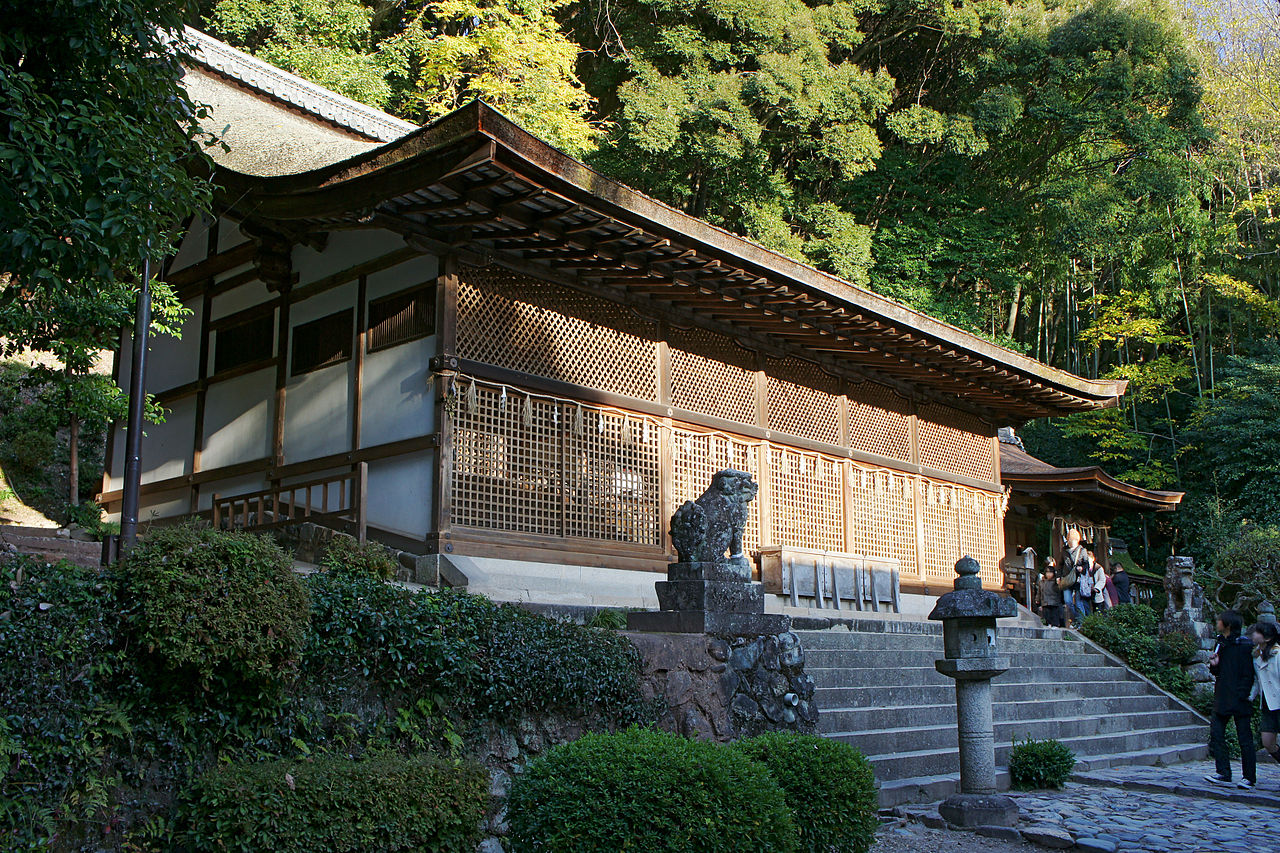
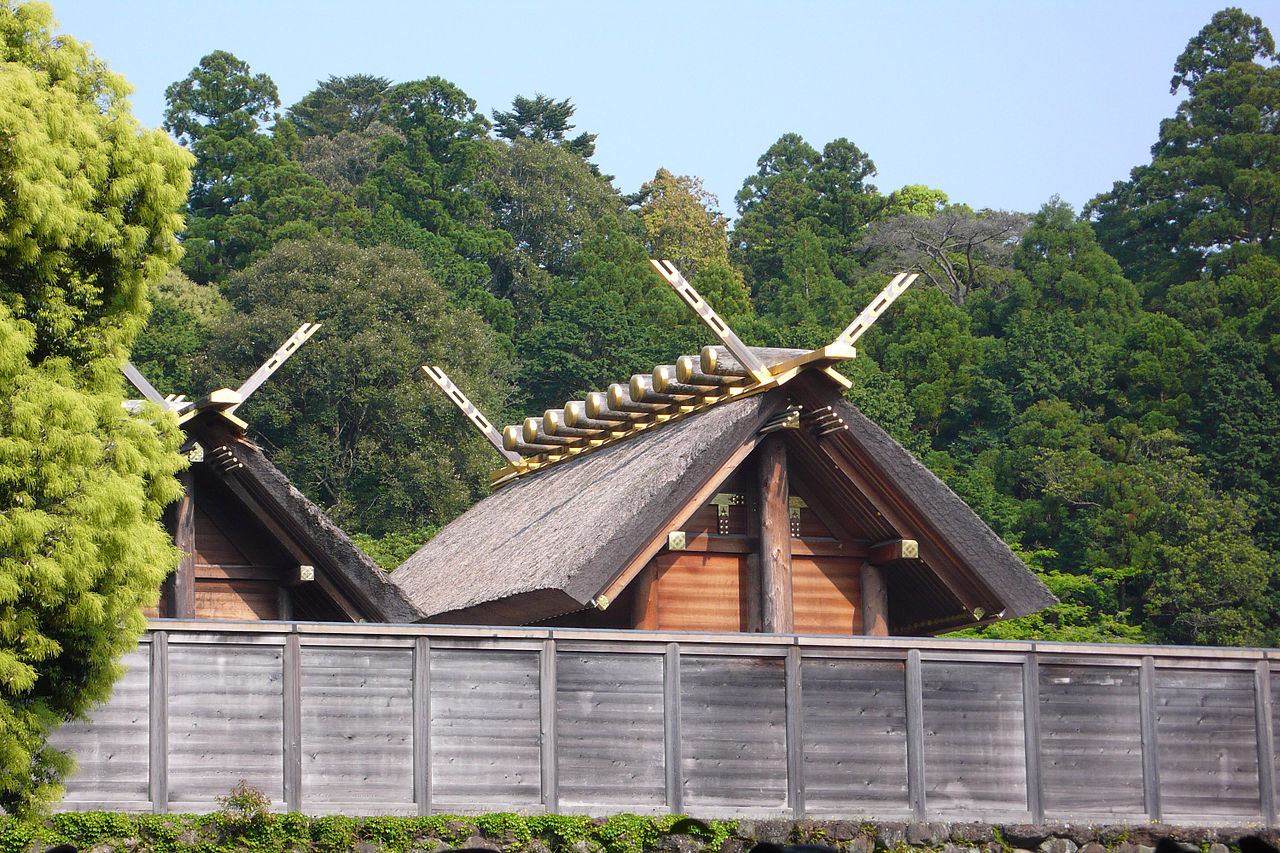
Architecture and parts
Typical elements that define a shrine include the torii gate marking the threshold, a purification basin (temizuya), the offering hall (haiden), and the inner sanctuary (honden) where the kami is enshrined. Stone guardian dogs (komainu) and ropes with paper streamers (shimenawa and shide) are common. Many shrines also feature wooden plaques (ema) and votive boxes for offerings.
Setting and natural features
Shrines are often sited to emphasize nature: ancient forests, sacred trees, springs, and streams are integrated into the sacred precinct. These natural elements underline Shinto’s reverence for living things and the landscape; many shrines protect groves and bodies of water such as forest groves and nearby rivers.
History and development
Shinto shrines evolved over centuries from simple outdoor worship sites to formalized wooden structures. Their design and ritual developed alongside Japan’s political and social changes, absorbing influences while remaining locally distinct. Important shrines gained national prominence, while smaller jinja served neighborhood needs.
Rituals, festivals and community role
Shrines host purification rites, seasonal festivals (matsuri), weddings, and rites of passage. They act as centers for community identity, coordinating annual celebrations and preserving local traditions. Visitors commonly perform purification, make offerings, and write wishes on ema boards.
Variations and notable facts
Shrines vary by scale, history and the nature of their enshrined kami; some are linked to imperial rituals, others to local industries or natural phenomena. While modern urban shrines adapt to city life, many rural shrines remain guardians of ancient landscape features. Visitors can learn more about specific sites and practices through local guides and shrine offices, often indicated on maps and signs as site information points.
For further reading and practical information, consult introductions to Shinto and local shrine listings provided by cultural organizations and tourist services (forest shrine, river shrine, general shrine guides).
Related articles
Author
AlegsaOnline.com Shinto shrine (jinja): sacred places of Japan Leandro Alegsa
URL: https://en.alegsaonline.com/art/89842