
Abu Dhabi (emirate)
The largest of the UAE's seven emirates, seat of the federal capital. Known for vast oil reserves, desert and coastal landscapes, the city of Abu Dhabi and the oases of Al Ain.
Overview
Abu Dhabi (Arabic: أبو ظبي) is one of the seven constituent emirates of the United Arab Emirates. It is the largest emirate by area and contains the UAE federal capital, the city of Abu Dhabi. The emirate combines extensive desert and coastal zones, offshore islands, and several important inland oases such as Al Ain.
Image gallery
10 Images





Geography and environment
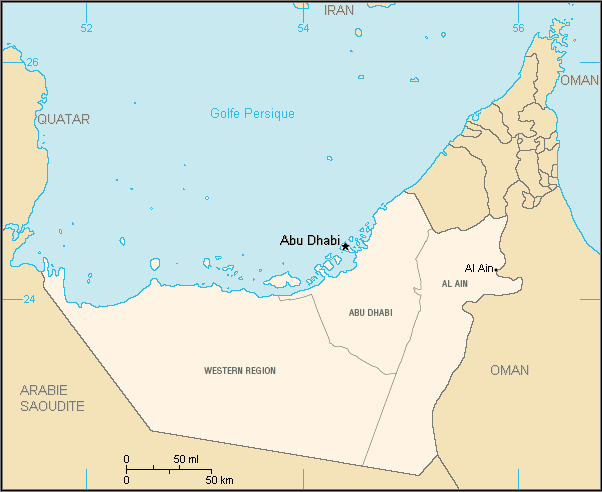
Abu Dhabi stretches across the central and western part of the country. Its landscape includes sandy plains, gravel desert, salt flats and a long coastline along the Persian Gulf. Offshore, the emirate controls numerous islands that affect its maritime boundaries and energy infrastructure. Inland oases and mountain foothills near the border with Oman create pockets of more fertile land and traditional settlements.
History and development
The area that is now Abu Dhabi was historically inhabited by Bedouin tribes, including the Bani Yas confederation, and developed around fishing, pearling and oasis agriculture. The discovery and development of oil reserves in the mid-20th century transformed the emirate, funding rapid urban growth, infrastructure and state institutions. Abu Dhabi joined the federation of the United Arab Emirates when it was formed in 1971 and has since been central to national politics.
Economy and infrastructure
Hydrocarbon production has been the principal driver of Abu Dhabi's wealth, enabling investments in transport, health, education and cultural projects. In recent decades the government has pursued economic diversification into finance, renewable energy, tourism, culture and aerospace. Major projects include modern airports, ports, cultural districts and industrial zones that support both domestic needs and international trade.
Society, culture and notable places
Abu Dhabi’s population mixes Emirati citizens and large expatriate communities. Cultural life balances traditional customs with contemporary institutions: museums, performing arts venues, and restored heritage areas coexist with modern malls and business districts. Al Ain, the emirate's second urban center, is known for its oasis, archaeology and UNESCO-listed heritage sites and was home to roughly 348,000 people according to a 2003 estimate.
Administration and significance
The emirate is ruled by the Al Nahyan family and plays a leading role in the federation’s political and economic affairs. Key distinctions include its large share of the country’s oil reserves, stewardship of national institutions, and active efforts to plan sustainable development and diversify the economy for a post-oil future.
- Capital: City of Abu Dhabi
- Major center: Al Ain
- Part of: Emirates that form the UAE
For further reading on language, archaeology and contemporary projects within the emirate, consult dedicated resources and official publications from local authorities.
Tags
Related articles
Author
AlegsaOnline.com Abu Dhabi (emirate) Leandro Alegsa
URL: https://en.alegsaonline.com/art/536