
Emirate: definition, governance, history and modern examples
An emirate is a territory or jurisdiction ruled by an emir. This entry explains its meaning, etymology, political forms, historical development, modern examples and differences from related monarchic titles.
Definition and etymology
An emirate is commonly defined as a political territory, domain or jurisdiction ruled by an emir. The English word derives from the Arabic إمارة (imārah, plural إمارات imārāt), and originally referred both to the office held by an emir and to the area under his authority. In English usage an emirate may be a fully sovereign state, a constituent unit within a federation, or a traditional local rulership whose formal powers vary with modern constitutions and administrative structures. The basic distinction is between the person (the emir) and the institutional territory (the emirate).
Image gallery
10 Images



Forms of governance
Emirates are typically dynastic: leadership is passed within a ruling family, so descriptions often label them dynastic. The emir may exercise wide executive authority or serve as a largely ceremonial head of state depending on constitutional arrangements. In some contemporary emirates the ruler combines the roles of head of state, commander-in-chief and head of government; in others executive powers may be shared with councils or elected bodies. The ruler's formal style and prerogatives can resemble other monarchical forms such as an Arab monarch or a sultan, but each title has distinct historical connotations.
Modern sovereign and federal examples
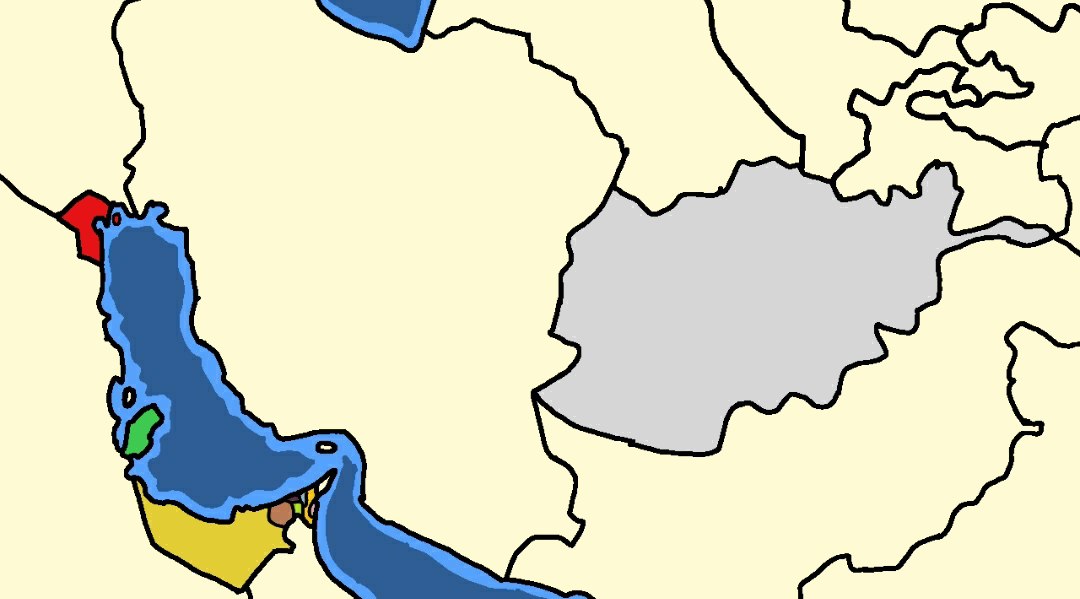
Today the best known federation of emirates is the United Arab Emirates, a federal state of seven hereditary emirates whose rulers form the Federal Supreme Council and select the federation's President and Prime Minister. Other contemporary sovereign states headed by emirs include Qatar and Kuwait, both of which retain ruling families and monarchical institutions. The constitutional arrangements, level of parliamentary power and limits on the ruler's authority differ between these states.
Historical emirates and transitions
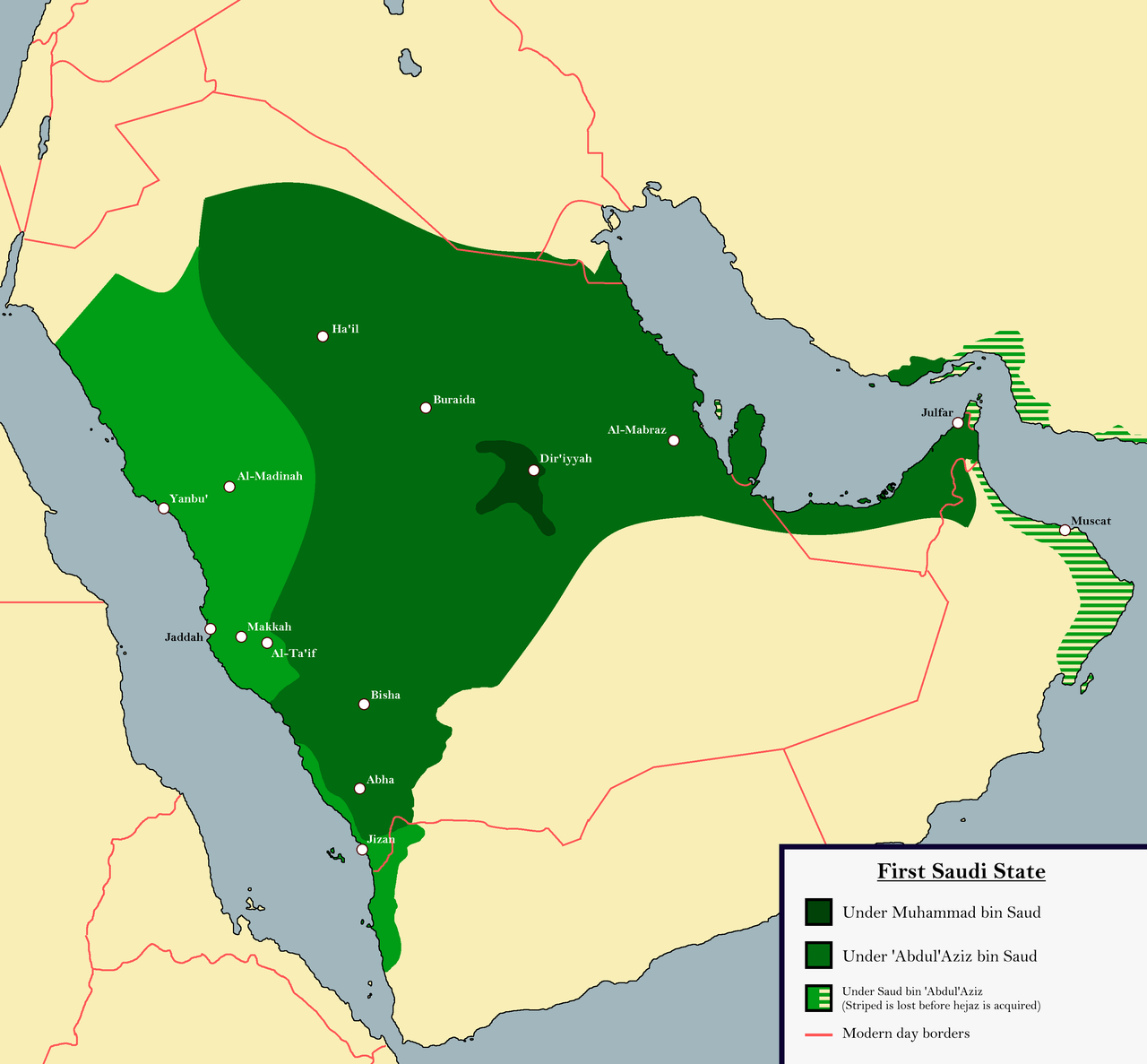
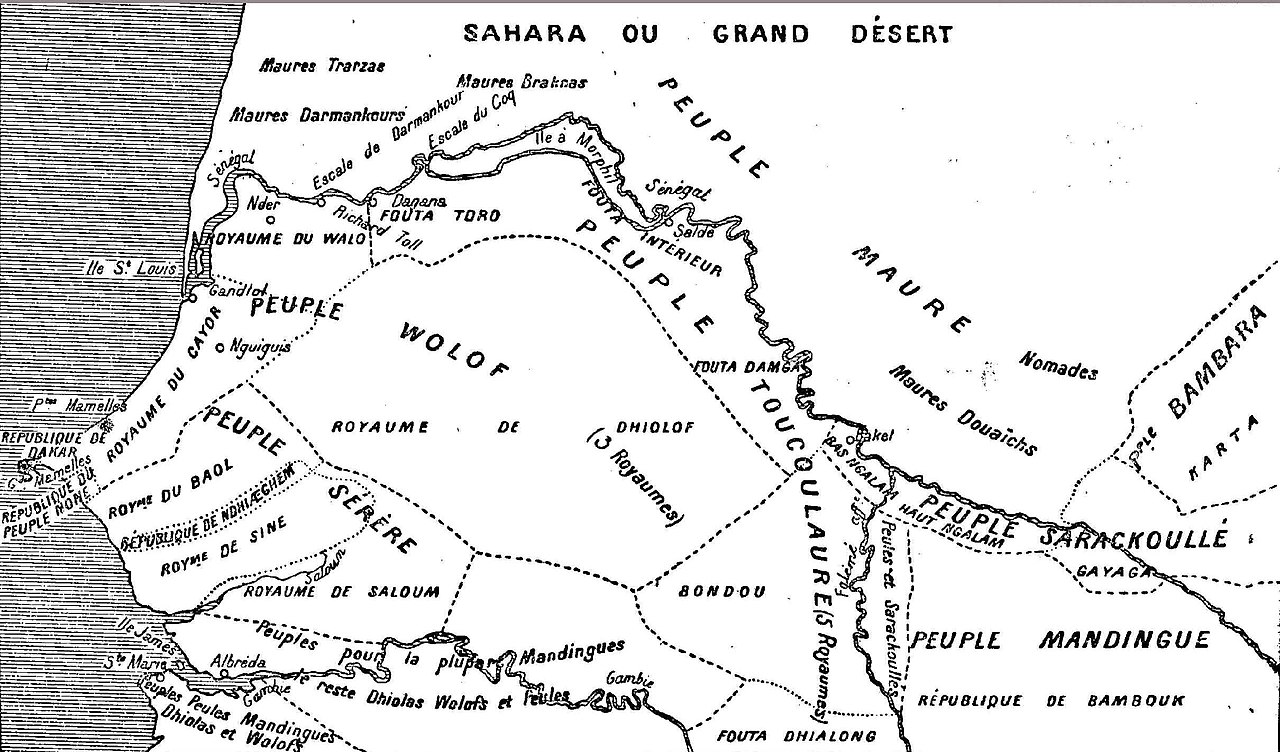
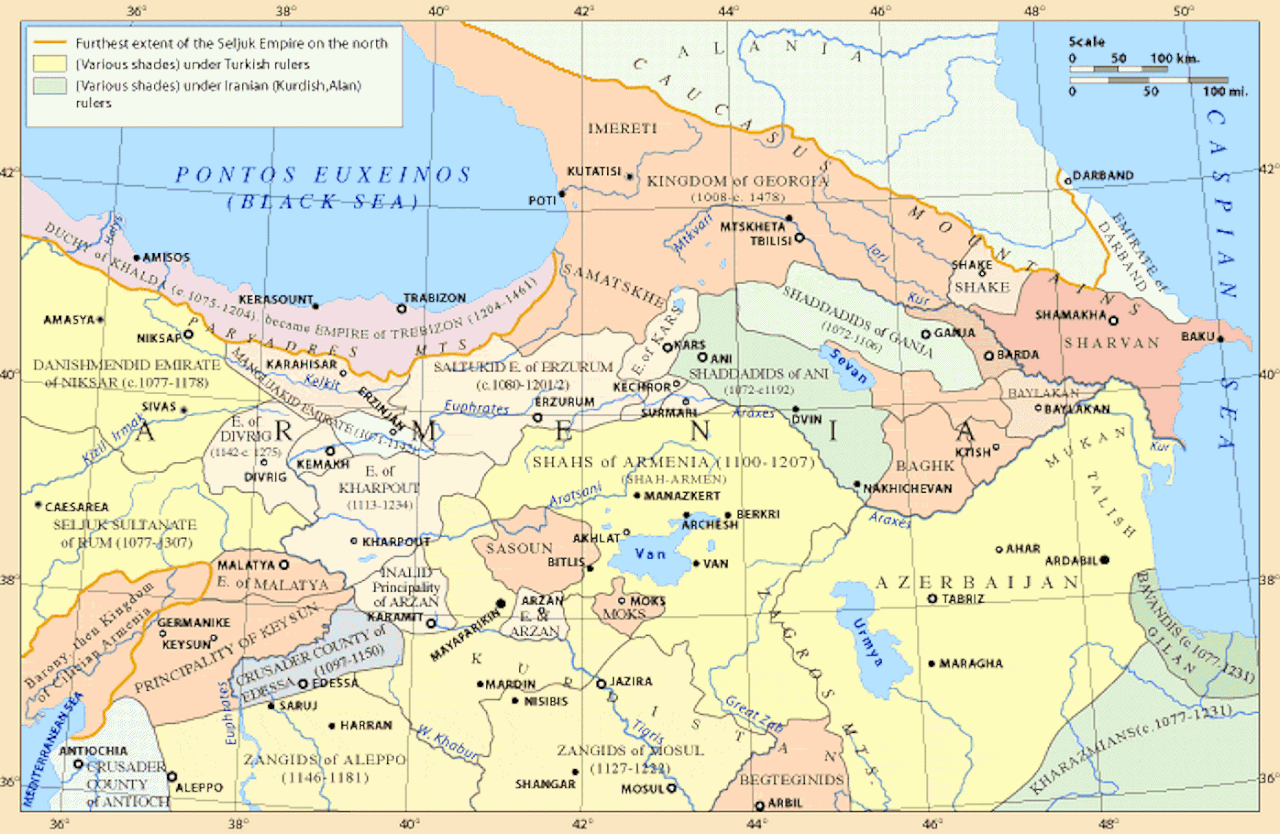
Historically, emirates have appeared across the Middle East, North Africa, Andalusia and Central Asia. Notable medieval examples include the Emirate of Córdoba and the Emirate of Granada on the Iberian Peninsula, as well as numerous smaller principalities in the medieval Islamic world. Over time many emirates were absorbed into larger polities, placed under imperial suzerainty, or evolved into other forms of monarchy. In the twentieth century some territories with emir-led governments adopted different regnal styles — for example, the former Emirate of Transjordan became the Hashemite Kingdom of Jordan when its ruler assumed the title of king.
Administrative usage in Arabic-speaking states
In Arabic the root meaning of the term allows wider administrative use. An imārah can refer to a province, district or administrative command governed by an appointed or hereditary official. In some modern Arab states provincial governors are referred to by a term derived from emir; for instance, administrative practice in parts of Saudi Arabian governance uses related terminology for regional governors. Thus, in Arabic usage an emirate may range from sovereign polity to local governorship.
Distinctions and comparative notes
- Title vs. territory: an emir is the individual ruler; an emirate is the territory, office or institution associated with that ruler.
- Sovereignty: some emirates are independent states, some are federated members, and others are traditional titles within larger modern states.
- Terminology: related titles include sultan, king (Arabic malik) and various local princely styles; the choice of title often reflects historical claims, religious status and international recognition.
- Contemporary geography: modern emirates are concentrated in the Gulf region and parts of the Arab world, while many historical emirates were centered in medieval Islamic realms.
Further considerations
When discussing emirates it is useful to distinguish legal status from cultural and historical identity. International law treats a sovereign emirate like any other state when it meets the criteria of statehood, while internal emirates within federations or kingdoms are treated as subnational units. For comparative study, see materials on traditional monarchies, federal constitutions and Arabic administrative vocabulary for more context; general reference works and reliable academic overviews discuss the evolution of emirates from medieval principalities to their present forms. For basic political and historical background consult sources listed by language and region, including introductory entries on monarchy and state formation.
For related topics see entries on political territory and comparative monarchical titles; further reading on contemporary emirates is available in country-specific references.
Questions and answers
Q: What is an emirate?
A: An emirate is a political territory that is ruled by an emir, a dynastic Arab Monarch.
Q: Where does the word emirate come from?
A: The word emirate or amirate comes from Arabic: إمارة, Imaarah; plural: إمارات, Imaraat.
Q: What is the United Arab Emirates?
A: The United Arab Emirates is a federal state of seven federal emirates, each administered by a hereditary emir.
Q: How are the President and Prime Minister of the United Arab Emirates elected?
A: The President and Prime Minister of the United Arab Emirates are elected by the seven emirs.
Q: What has happened to most emirates?
A: Most emirates have either disappeared or become part of a larger modern state, some changed their rulers' title, e.g. to Malik (Arabic for King) or Sultan.
Q: Why have true emirate-states become rare?
A: True emirate-states have become rare because most emirates have either disappeared or become part of a larger modern state.
Q: How is the term emirate used in Arabic?
A: In Arabic, the term emirate can be generalized to mean any province of a country that is administered by a member of the ruling class, especially a member of the royal family, as in Saudi Arabian governorates.
Related articles
Author
AlegsaOnline.com Emirate: definition, governance, history and modern examples Leandro Alegsa
URL: https://en.alegsaonline.com/art/31187
Sources
- dictionary.cambridge.org : "emirate"