
Kimbolton Castle
Kimbolton Castle is a historic country house in Kimbolton, historically in Huntingdonshire and now in Cambridgeshire, known for its medieval origins, royal association and later use as a school and estate seat.
Kimbolton Castle is a historic country house set in the village of Kimbolton, a place long associated with rural administration in eastern England. The site lies in what was historically Huntingdonshire and is now administered within modern Cambridgeshire. The building visible today is the result of centuries of change, blending medieval defensive elements with later domestic and decorative remodelling.
Image gallery
4 Images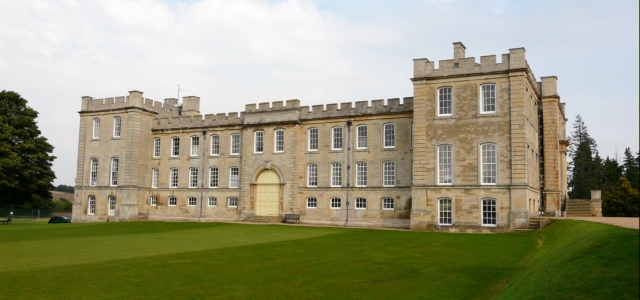


Overview and character
The castle began as a defensive stronghold and later evolved into a comfortable country seat. Surviving features include a gatehouse and parts of the older fabric that recall its fortified past, while other ranges reflect Tudor and post‑Tudor rebuilding when comfort and display became more important than defence. The ensemble sits within landscaped grounds that have been altered over time to suit successive owners.
Historical development
Like many English castles, Kimbolton has a layered history. It grew from a medieval castle into a stately house through a sequence of repairs, enlargements and stylistic updates carried out by different families. One of its best known moments came in the early 16th century when Catherine of Aragon, first wife of Henry VIII, lived at Kimbolton in her final years; she died on the estate. In later centuries the property served as the principal seat for a noble family, becoming associated with the Dukes of Manchester and their household.
Uses and significance
Over time the castle’s functions shifted from defence to residence and then to institutional use. In the mid‑20th century the main house took on an educational role and has been used by a private school, which occupies parts of the building and grounds. The site is also valued as a local landmark and for the survival of historic interiors, parkland and architectural fragments that illustrate social change from medieval fortification to country house living.
Key features and notable facts
- Layered architecture combining medieval, Tudor and later elements.
- Royal association: the castle was the last residence of Catherine of Aragon.
- Longstanding connection with the Dukes of Manchester, who made it a family seat.
- Adapted for educational and community uses in the 20th century, enhancing public engagement.
Kimbolton Castle exemplifies the way many English castles were transformed to meet the needs of successive generations. Its mixture of defensive remnants and domestic elegance, together with associations to national history and ongoing local uses, make it a prominent feature of the Cambridgeshire historic landscape.
Related articles
Author
AlegsaOnline.com Kimbolton Castle Leandro Alegsa
URL: https://en.alegsaonline.com/art/53491
Sources
- britainexpress.com : Britain Express