
Kim Jang-saeng (1548–1631) — Joseon Neo-Confucian scholar
Kim Jang-saeng (1548–1631) was a leading Neo-Confucian scholar, author, and government official of the Joseon period. Known as Sagye, his teachings shaped later Korean Confucian education and family ethics.
Overview
Kim Jang-saeng (김장생; 1548–1631) was a Korean Neo-Confucian thinker, writer and public official active during the late 16th and early 17th centuries. He is commonly remembered by his penname Sagye (사계, 沙溪). His courtesy names were Huiwon and Huiji; these are often recorded in classical sources (Huiwon, Huiji).
Image gallery
4 Images


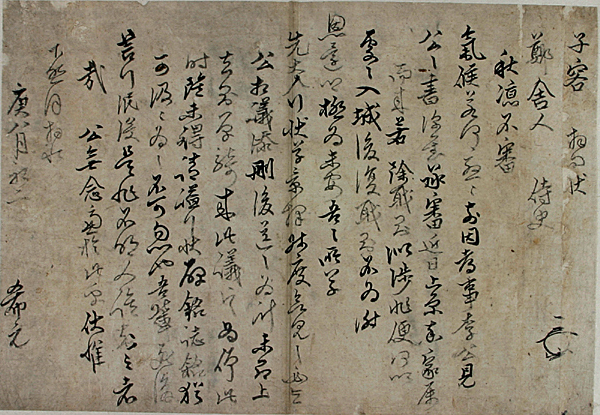
Life and historical context
Kim lived in the Joseon dynasty, an era when Confucian learning organized elite education and government service. He combined careers as a scholar, writer, and politician, participating in civil administration while teaching and composing texts for students preparing for the state examinations. The political and intellectual life of his time was shaped by debates within Neo-Confucianism about moral cultivation, ritual, and practical governance (Joseon period).
Thought and teachings
Kim Jang-saeng belonged to the mainstream Neo-Confucian tradition that emphasized ethical self-cultivation, the importance of family duty, and disciplined study of the Confucian classics. His approach tended toward practical instruction: guiding behavior in domestic life, advising rulers and officials on proper conduct, and stressing continuity of moral learning across generations. Key themes associated with his school include:
- moral education and ritual observance;
- the centrality of family and filial piety in social order;
- the role of scholarship in preparing competent administrators;
- a cautious, conservative reading of classical texts that favored social stability.
Works, students, and influence
Kim composed essays, instructional letters, and commentaries intended both for peers and for younger scholars. His collected writings circulated among academies and private schools, where they were used as guides to personal conduct and administrative ethics. Over time his teaching influenced subsequent generations of Confucian scholars in Korea; students and descendants who followed his method helped preserve his intellectual legacy in academies and family lineages.
Notable facts and legacy
Beyond his intellectual output, Kim is noted for the long span of his life across a turbulent century of Joseon history; his reputation rests on the dual role of teacher and public servant. He is often cited in studies of Korean Neo-Confucianism as an exemplar of how scholarship and practical governance were interconnected. For introductions and primary-source references, consult catalogues of Joseon-era writings and specialized studies of Confucian academies (김장생, writer, scholar).
For additional context on names and titles see sources that record his penname Sagye and courtesy names Huiwon and Huiji, and for the broader institutional setting look to references on the Joseon period and its educational system. Further reading can direct interested readers to compilations of his letters and teachings preserved in Korean collections (politician).
Related articles
Author
AlegsaOnline.com Kim Jang-saeng (1548–1631) — Joseon Neo-Confucian scholar Leandro Alegsa
URL: https://en.alegsaonline.com/art/53449
Sources
- books.google.com : The Land of Scholars: Two Thousand Years of Korean Confucianism,p. 360