
Korean language
Korean, spoken on the Korean Peninsula and by a global diaspora, uses the featural Hangul script, has agglutinative grammar and complex honorifics, and exists in different North and South standards.
Overview
The Korean language is the principal language of the Korean Peninsula and is spoken natively by people in North Korea and South Korea, as well as by sizable diaspora communities worldwide. Estimates place the number of speakers in the tens of millions. Koreans commonly refer to the language by regional names: in South Korea as hangugeo (한국어) or hangukmal (한국말), in the North as choseoneo (조선어) or choseonmal (조선말), and more familiarly as urimal (우리말), meaning "our language."
Image gallery
9 Images



Writing system and pronunciation
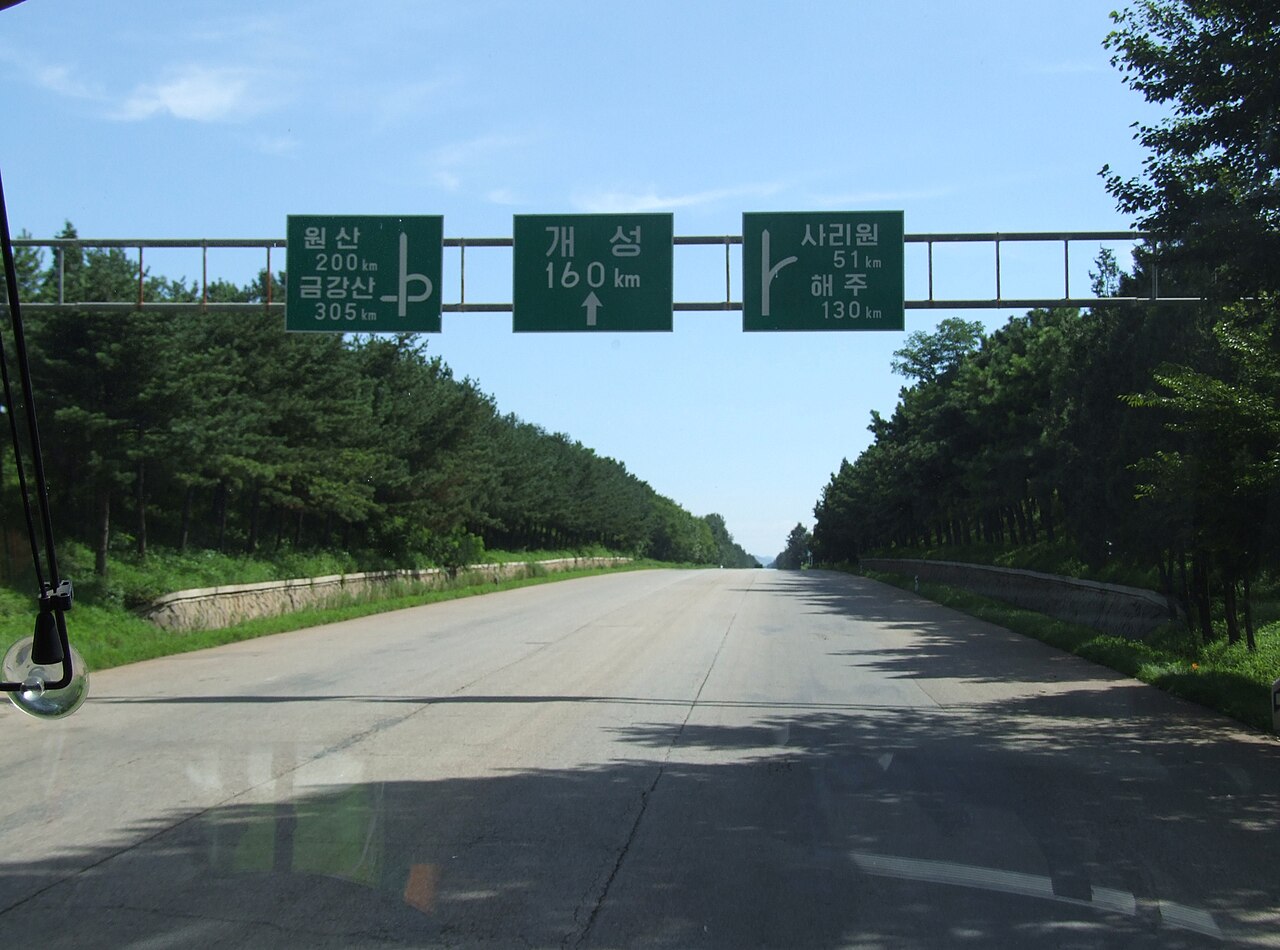
Korean is written primarily with Hangul, a phonemic alphabet created in the 15th century that represents sounds with simple, systematic letters. Hangul's design makes pronunciation largely predictable from spelling. Historically, Chinese characters known as Hanja were used for scholarly and official writing; today Hanja appears only in limited contexts in the South and rarely in the North.
Grammar and structure
Typologically, Korean is an agglutinative language with subject–object–verb (SOV) order. Words are formed by adding affixes to stems, and grammatical relationships are marked by particles rather than by word order alone. Verbs and adjectives conjugate to indicate tense, aspect, mood and a range of honorific or polite levels, while the language lacks grammatical gender and has relatively simple noun inflection.
History and vocabulary
The language has evolved through stages often described as Old, Middle and Modern Korean. Over centuries it has absorbed large numbers of Sino-Korean words derived from Chinese, as well as loanwords from Mongol, Japanese and, in recent times, English. The 15th-century promulgation of Hangul by King Sejong was a major turning point that expanded literacy and shaped modern Korean identity.
Dialects, standards and regional differences
Multiple dialects are spoken across the peninsula; the Seoul dialect forms the basis for the South Korean standard, while the Pyongyang dialect serves as the North Korean standard. Differences between North and South standards include pronunciation, vocabulary and orthographic conventions introduced after Korea's division. Some varieties, notably the speech of Jeju Island, are highly distinct and sometimes difficult for speakers of standard varieties to understand.
Use and cultural importance
Korean is used in government, education, literature, broadcasting and digital media across the Korean-speaking world. Its honorific systems and speech levels play a central role in social interaction, reflecting age, status and context. Interest in learning Korean has grown internationally alongside Korean cultural exports, and the language continues to be an important marker of identity for Koreans everywhere.
Questions and answers
Q: Where is the Korean language mainly spoken?
A: The Korean language is mainly spoken in North and South Korea.
Q: How many people speak the Korean language?
A: More than 78 million people speak the Korean language, most of whom are North or South Koreans.
Q: What is the Korean language called in South Korea?
A: In South Korea, the Korean language is called hangukmal (한국말) or hangugeo (Hangeul: 한국어, Hanja: 韓國語).
Q: What is the Korean language called in North Korea?
A: In North Korea, the Korean language is called choseonmal (조선말) or choseoneo (조선어, 朝鮮語).
Q: Why are the names for the Korean language different in North and South Korea?
A: The names for the Korean language are different in North and South Korea because the common names for the two countries are different.
Q: What do Koreans usually call their language?
A: Koreans usually call their language urimal (Hangeul: 우리말) or urinara mal (Hangeul: 우리나라 말), meaning "our language" or "our country's language."
Q: What is the meaning of hangukmal?
A: Hangukmal means the Korean language in South Korea.
Related articles
Author
AlegsaOnline.com Korean language Leandro Alegsa
URL: https://en.alegsaonline.com/art/54286