
Kids (1995 film) — overview, themes, controversy, and legacy
Kids is a 1995 American film directed by Larry Clark and written by Harmony Korine. It depicts urban teenage life, sparked controversy over explicit content and public-health themes.
Overview
Kids is a 1995 American film depicting a slice-of-life portrait of adolescents in New York City. Shot in a raw, documentary-like style, the picture follows a group of teenagers over a short period as they navigate sex, parties and the risks of drug use and sexually transmitted infections. The film was directed by Larry Clark and written by Harmony Korine, and it is commonly described as an unflinching depiction of youth culture in the mid-1990s.
Image gallery
1 Image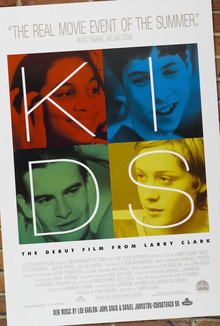
Subject matter and style
The narrative focuses on teenage social dynamics and personal choices rather than a conventional plot. It addresses themes such as peer pressure, sexual behavior, substance use and public-health consequences, including the presence of HIV in the story. Its visual approach favors handheld camerawork and improvised-sounding dialogue to create immediacy and realism. Critics and viewers often note the film's controversial realism, which blurs the line between fiction and documentary methods.
Key elements and cast
- Setting: Urban neighborhoods of New York City.
- Themes: teenagers, drugs, and HIV.
- Principal performers: early screen appearances by Chloë Sevigny and Rosario Dawson.
- Genre label: often categorized as a youth drama or independent film (film).
Production, release and controversy
The film was produced on a modest budget and used a cast largely composed of nonprofessional actors to heighten authenticity. Upon release it prompted intense debate over its explicit content and depiction of minors in sexual situations. The controversy extended to ratings and distribution: the movie was initially associated with an NC-17 classification but ultimately appeared in theaters unrated, a decision that affected advertising and exhibition. Public discussion about the film's ethics and responsibilities was widespread at the time of release and remains part of its cultural record; this reaction is often referenced as the film's most notable external impact (controversy).
Reception and legacy
Reception was mixed: some praised the film for its candid, uncompromising look at youth and its social realism, while others condemned it for perceived exploitation or sensationalism. Over time, Kids has been discussed in film studies and cultural commentary as an influential independent picture that launched careers and provoked debates about cinematic responsibility, youth representation and public-health messaging. The movie's style and subject matter influenced subsequent portrayals of urban adolescence in independent cinema.
Further reading and context
For background on the director's approach and the film's place in independent cinema, see production notes and interviews with creators and cast. The film is often examined alongside broader conversations about media depictions of young people, substance use and disease prevention. Specialized discussions and archives can be consulted for deeper analysis and contemporaneous responses, including reviews and scholarly articles that examine both artistic intent and social effects (film, director, writer, controversy).
Related topics and source materials addressing the era, location and public-health context can add useful perspective: New York City youth culture, youth risk behaviors (teenagers, drugs), and historical responses to HIV/AIDS (HIV). Interviews with early cast members such as Chloë Sevigny and Rosario Dawson discuss how the project influenced their subsequent careers.
Related articles
Author
AlegsaOnline.com Kids (1995 film) — overview, themes, controversy, and legacy Leandro Alegsa
URL: https://en.alegsaonline.com/art/53336