
Kill the Irishman (2011 film)
Crime-drama biopic about Irish‑American mobster Danny Greene, directed by Jonathan Hensleigh and starring Ray Stevenson; dramatizes Greene’s rise and the violent Cleveland mob wars.
Overview
Kill the Irishman is a 2011 crime drama that dramatizes the life and criminal career of Irish‑American gangster Danny Greene. Directed by Jonathan Hensleigh, the film frames Greene's story as a biographical crime picture set against the late‑20th‑century organized‑crime scene in Cleveland. The movie reached theaters in March 2011 and presents a mix of action, biography and period detail.
Image gallery
6 Images




Subject and themes
The narrative follows the climb of Danny Greene from local labor activity into the world of organized crime, and his eventual confrontation with rival underworld figures. The film emphasizes themes common to mob cinema: loyalty and betrayal, the limits of brute force, and the rise of unconventional tactics — notably the widespread use of bombings in urban gang warfare. It portrays the sometimes blurred lines between labor, politics and crime in mid‑century American cities.
Cast and production
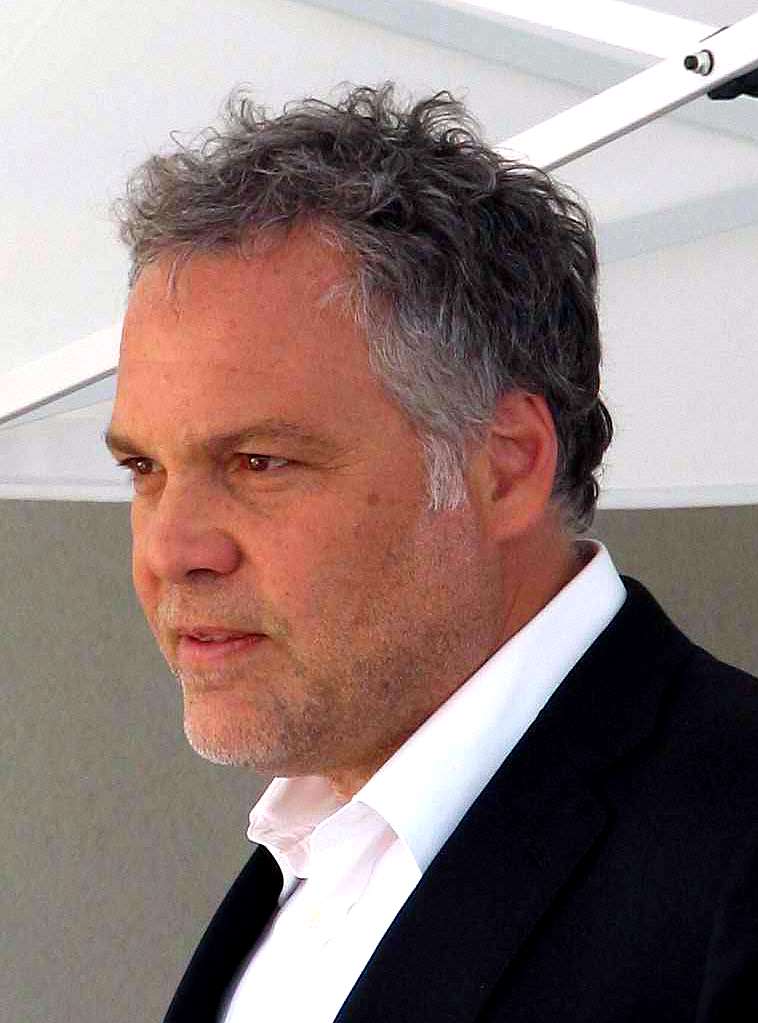
The lead role of Danny Greene is played by Ray Stevenson, with Fionnula Flanagan portraying his mother, Grace O'Keefe. The ensemble also includes veteran performers such as Vincent D'Onofrio in a supporting role. Jonathan Hensleigh, better known for screenwriting, directed the picture and shaped it as a relatively straightforward, gritty retelling rather than a stylized art‑house reinterpretation.
Historical context
Though dramatized for cinema, the film is rooted in well‑known accounts of Cleveland's mob conflicts in the 1970s and 1980s. It depicts an era when rival factions fought for influence over unions, gambling and other rackets, and when violent reprisals — including car bombs — became part of criminal tactics. The title highlights the personal focus on Greene while connecting to a broader citywide struggle.
Reception and significance
Critics and audiences generally noted energetic performances and a brisk narrative, while some reviewers felt the screenplay leaned on familiar mob‑movie conventions. For viewers interested in organized‑crime history or regional true‑crime dramas, Kill the Irishman offers a compact, accessible portrayal of a controversial figure and the turbulent period that surrounded him. The film also helped renew public interest in the real events and reporting that inspired it.
Further reading and related topics
- Biographical accounts and regional reporting on Greene's life and Cleveland crime history
- Comparisons with other American mob films and true‑crime adaptations
- Local histories of labor, organized crime and urban change in 20th‑century Cleveland
Related articles
Author
AlegsaOnline.com Kill the Irishman (2011 film) Leandro Alegsa
URL: https://en.alegsaonline.com/art/53388