
Kill Your Darlings (film)
Kill Your Darlings (2013) is a historical drama about the early Beat Generation, focusing on Allen Ginsberg's Columbia years and a murder that affected his circle.
Overview
Kill Your Darlings is a 2013 historical drama that dramatizes a pivotal moment in the formation of the Beat Generation. Set in 1944 at Columbia University, the film follows a young Allen Ginsberg as he becomes entangled with fellow students and writers during an event that would leave a lasting mark on their lives and on American letters.
Image gallery
1 Image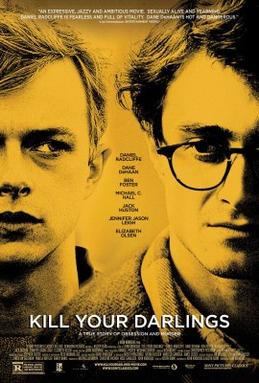
Cast and characters
The movie features Daniel Radcliffe in the role of Allen Ginsberg and explores his early relationships with peers. Supporting roles include figures drawn from Beat lore and Columbia social life; the production also stars Jennifer Jason Leigh and Kyra Sedgwick in key parts that reflect the emotional and social tensions of the time. The story centers on a homicide that involves a circle of young men whose later reputations became tied to the rise of Beat literature.
Themes and historical context
At its core the film examines youth, sexuality, creativity, and the ethical compromises that can attend artistic formation. It portrays the early Beats—writers such as Ginsberg, Jack Kerouac, and William S. Burroughs—as students and friends negotiating ambition, identity, and loyalty in the shadow of war. The title references a common piece of writing advice: to "kill your darlings," meaning writers should be willing to discard cherished material for the good of the work.
Production and release
Directed by John Krokidas, the film reconstructs 1940s New York and Columbia life with an eye toward period detail and psychological nuance. It premiered on the festival circuit in 2013, bringing renewed attention to the formative episodes that shaped major mid‑century American poets and novelists.
Reception and significance
Critics generally praised the performances and the film's evocation of a young literary scene. Reviewers highlighted the lead portrayal and the way the drama probes moral ambiguity rather than offering a simple origin story. As a dramatized retelling, it sparked discussion about historical accuracy and how cinematic narratives interpret real lives.
Further notes
- The film is often used as an accessible introduction to the personalities and tensions of the early Beat movement.
- It prompts consideration of how personal relationships and traumatic events can shape artistic trajectories.
- For cast and production details, see resources linked to principal performers such as the page for Allen Ginsberg.
Related articles
Author
AlegsaOnline.com Kill Your Darlings (film) Leandro Alegsa
URL: https://en.alegsaonline.com/art/53389