
Kia Venga (compact MPV)
Compact five‑door MPV introduced by Kia in 2009. Designed for European markets, it emphasises interior space, a tall cabin and practicality and was offered with petrol and diesel engines.
The Kia Venga is a compact multi-purpose vehicle (MPV) introduced by Kia Motors in 2009 for mainly European markets. It combines a short exterior footprint with a tall, upright cabin to maximise usable interior space for passengers and luggage. The Venga is built on a small‑car platform shared within the Hyundai–Kia group, linking its engineering and parts to relatives such as the Hyundai i20 and the Kia Soul.
Image gallery
6 Images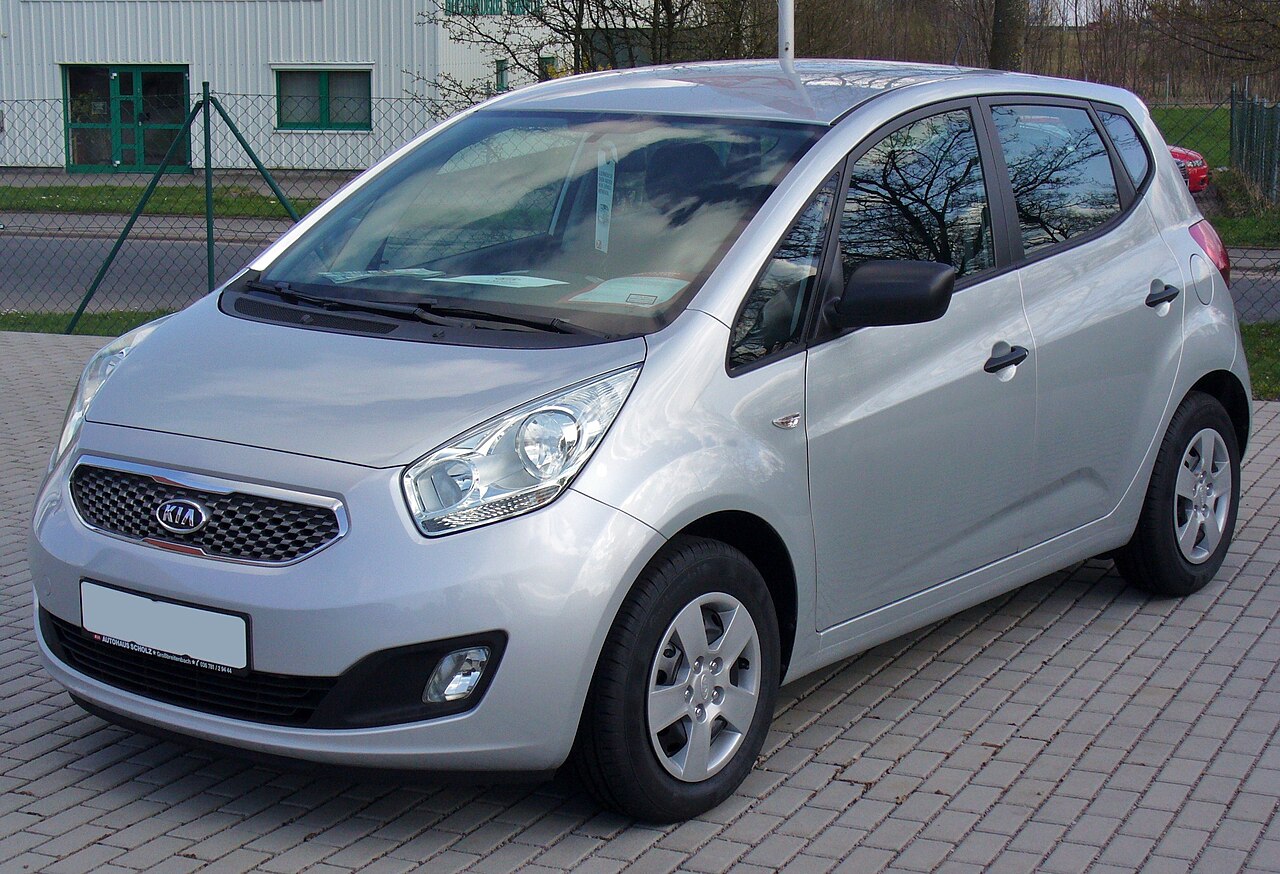


Design and interior
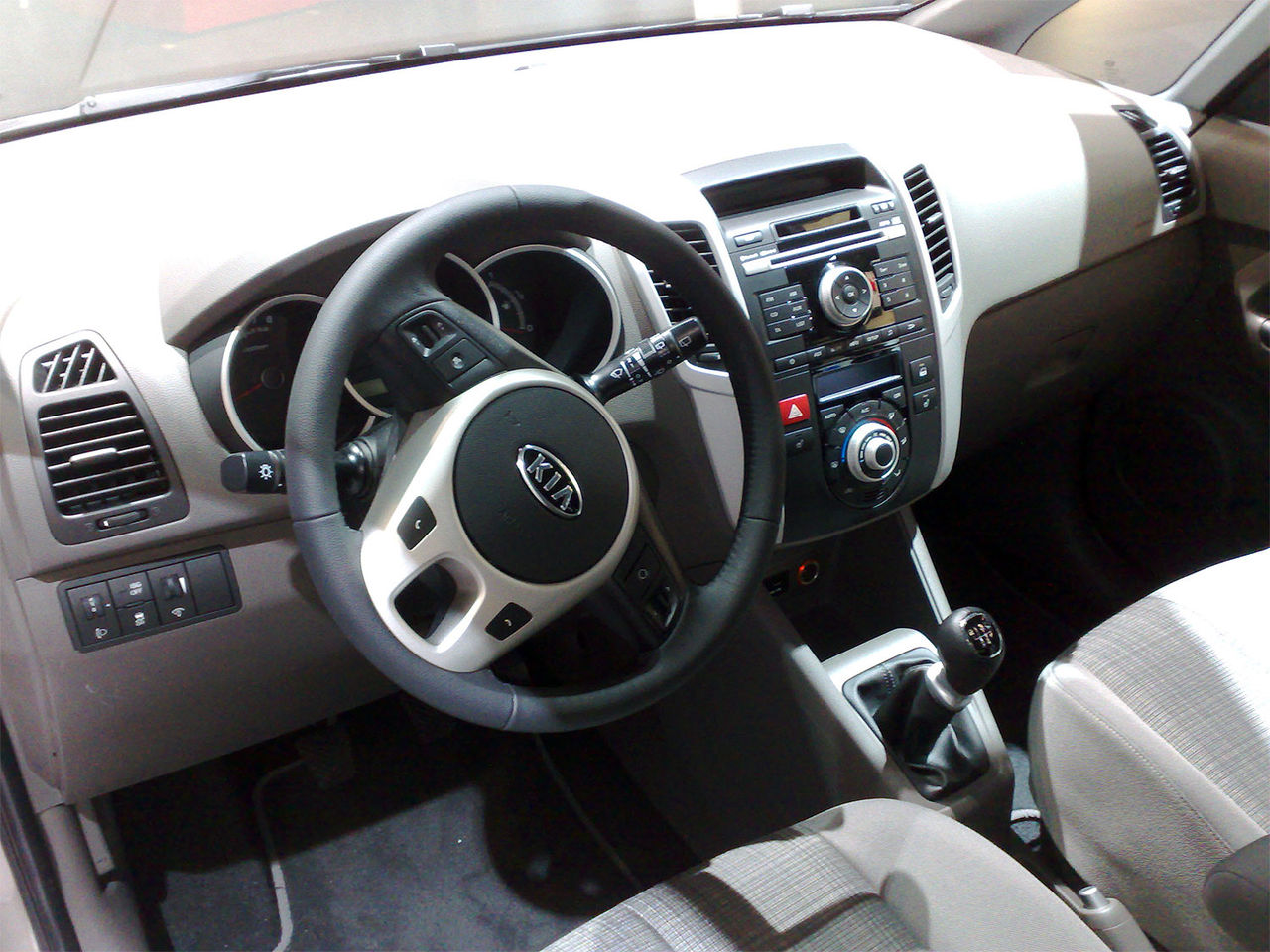
Externally the Venga appears as a five‑door hatchback with a high roofline and relatively short overhangs. The tall cabin and upright seating position improve visibility and accessibility, making ingress and egress easier than on many conventional hatchbacks. Inside, the emphasis is on practicality: flexible rear seating, multiple storage cubbies, and straightforward controls. Seating for five is standard, and rear seats can be folded or adjusted to expand cargo space, making the Venga suitable for families and urban users who need the versatility of an MPV without a large exterior size.
Powertrains and mechanicals
Kia offered a modest range of petrol and diesel engines to balance efficiency and everyday performance. Factory options included the following main units:
- Petrol: 1.4 L (about 66 kW / 90 hp) and 1.6 L (about 92 kW / 125 hp).
- Diesel: 1.4 L turbo diesel available in roughly 55 kW (75 hp) and 66 kW (90 hp) tunes, and a 1.6 L turbo diesel in roughly 85 kW (115 hp) and 94 kW (128 hp) variants.
Transmissions typically included five‑ or six‑speed manuals and, on some versions, automatic options. The Venga is front‑wheel drive and its chassis tuning favoured ride comfort and composed urban handling rather than sporty dynamics. Fuel economy and emissions were important considerations for buyers in its segment.
Safety, features and equipment
Safety and convenience equipment varied by market and trim level. Common safety features across the range included multiple airbags, anti‑lock braking (ABS) and child‑seat anchorage points. Later model years introduced or made optional additional aids and comfort features, such as electronic stability systems, parking sensors, air conditioning, infotainment upgrades and navigation, depending on specification.
Market position and evolution
Launched to give Kia a presence in the competitive European compact‑MPV sector, the Venga targeted buyers who wanted more interior room than a supermini but did not need a larger estate or family car. It competed with other small MPVs and tall hatchbacks from mainstream manufacturers. During its production period the Venga received incremental updates to trim, equipment and emissions compliance to meet changing regulations and customer expectations.
Further reading and references
For official specifications and historical details see manufacturer materials: Kia official information. For platform and engineering context refer to sources on related models: Hyundai–Kia platform notes and Kia Soul and family. Technical details about diesel variants are covered in specialist summaries: diesel engine descriptions. Contemporary road tests and comparisons can be found in automotive reviews: press and reviews.
Related articles
Author
AlegsaOnline.com Kia Venga (compact MPV) Leandro Alegsa
URL: https://en.alegsaonline.com/art/53298