
Turbocharger
A turbocharger is an exhaust-driven compressor that forces extra air into an internal combustion engine to increase power and efficiency. Widely used in automotive, marine, aviation and industrial engines.
Overview
A turbocharger, commonly called a turbo, is a form of forced induction that uses exhaust energy to compress intake air and deliver a greater mass of oxygen to an internal combustion engine. By increasing the amount of air available for combustion, a turbocharger enables more fuel to be burned and raises engine power output without increasing engine displacement. It is a compact, widely applied technology in passenger cars, commercial vehicles, marine and aviation powerplants, and stationary generators.
Image gallery
10 Images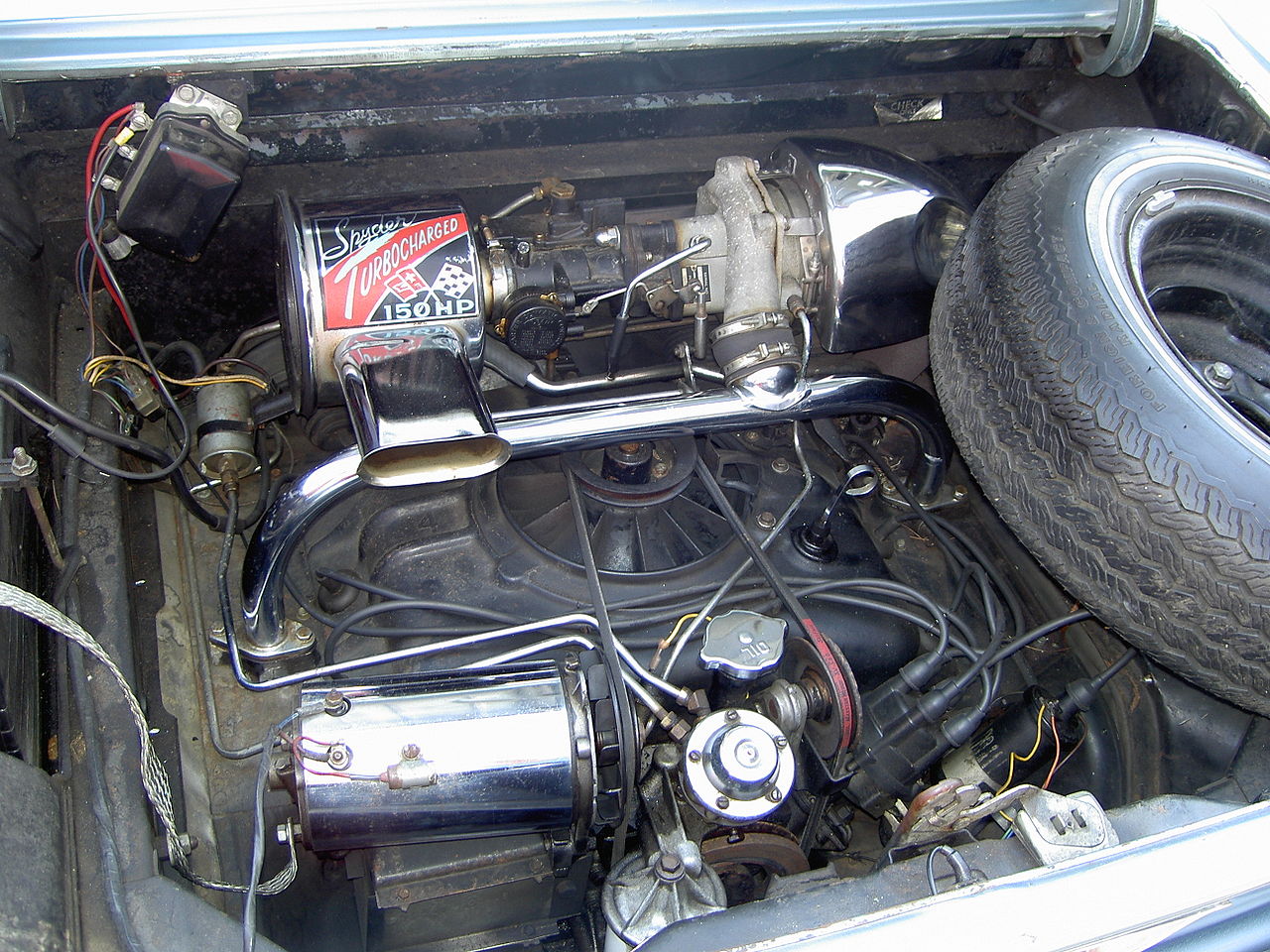


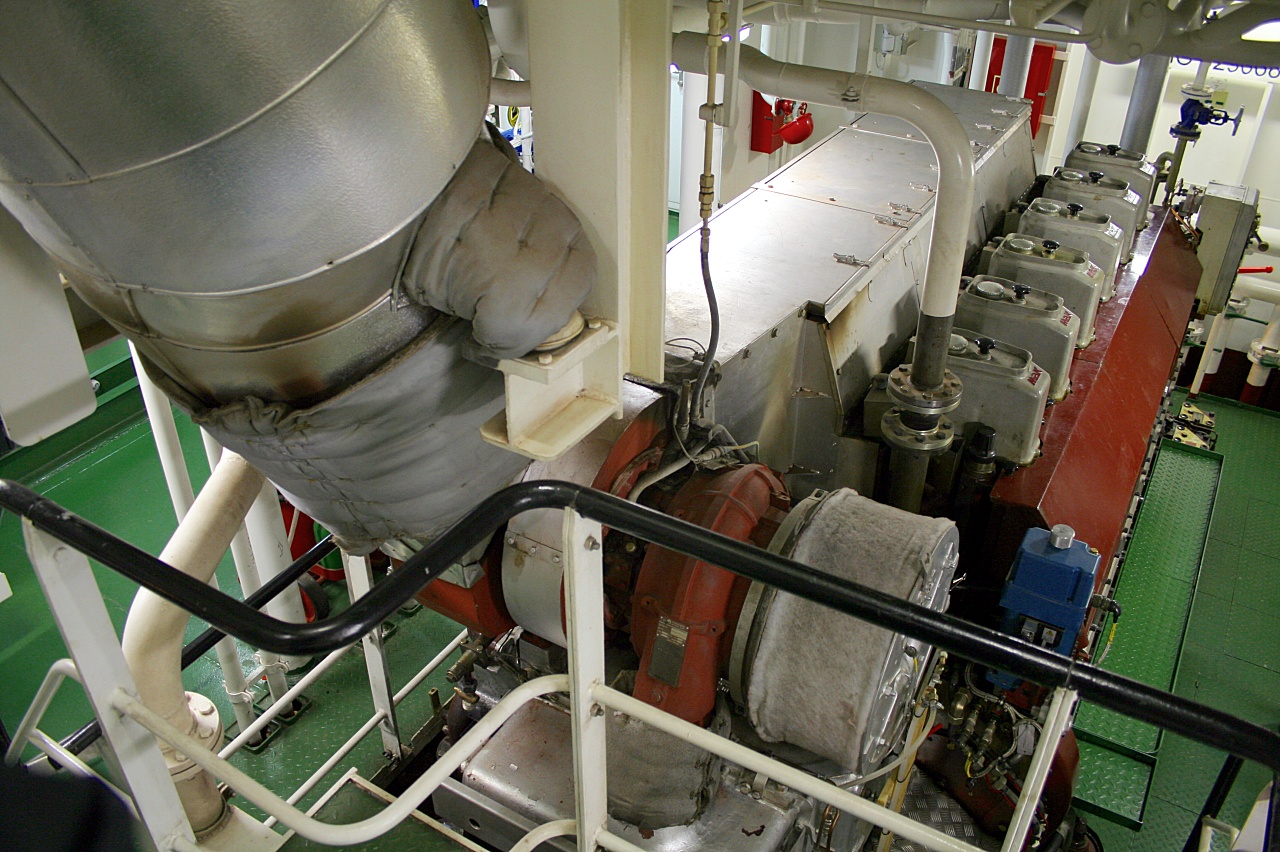
Main components and basic design
At its core a turbocharger is a gas compressor coupled to a turbine. Key parts include a turbine wheel and housing that accept exhaust flow, a concentric shaft, a compressor wheel and housing that pressurizes intake air, and bearings that support the shaft. Modern designs often integrate oil or water cooling passages and include ancillary parts such as wastegates, blow-off valves and intercoolers to manage pressure and temperature.
How it works
Exhaust gas leaving the engine drives the turbine wheel; that rotational energy is transmitted along the shaft to the compressor wheel, which draws in ambient air and compresses it before it enters the engine intake. Because the turbine is driven by the engine's own exhaust rather than a direct mechanical link, a turbocharger recovers energy that would otherwise be wasted. This process raises volumetric efficiency and is commonly described by terms such as "boost" and "turbo lag," the latter referring to the delay between throttle input and increased compressor output.
History and development
The concept of using exhaust-driven turbines to increase power has roots in early twentieth-century engineering and saw practical adoption in aircraft and diesel engines as designers sought improved performance and altitude compensation. Over time, advances in materials, bearing systems and aerodynamics made turbos more reliable and suitable for widespread automotive use, enabling engine downsizing without sacrificing power.
Applications, variants and notable features
- Applications: common on diesel and petrol road vehicles, marine and aircraft engines, and industrial generators; valued for both power and efficiency gains.
- Variants: include fixed-geometry turbos, twin-scroll units, variable-geometry turbochargers (VGT), sequential and compound arrangements, and electrically assisted hybrids that reduce lag.
- Distinction from superchargers: turbos extract energy from exhaust flow, while superchargers are mechanically driven from the crankshaft.
Benefits, trade-offs and maintenance
Benefits of turbocharging include increased power density, improved fuel economy under many conditions, and reduced CO2 per unit of power in downsized engines. Trade-offs include greater thermal and mechanical stress, increased complexity, the need for proper lubrication and cooling, and the potential for turbo lag. Regular oil changes, attention to cooling circuits, and allowing the turbo to spool down after heavy use are common maintenance recommendations.
Future trends
Ongoing developments combine turbocharging with electrification, such as electrically assisted turbos and hybrid powertrains, to improve responsiveness and efficiency. These hybrid approaches aim to retain the advantage of recovering exhaust energy while addressing transient response and emissions, shaping the role of turbochargers in future propulsion systems that coexist with electrified technologies. For more technical background on turbines and exhaust systems see relevant resources and for engine context consult materials about the internal combustion engine.
Questions and answers
Q: What is a turbocharger?
A: A turbocharger is a gas compressor used to force air into an internal combustion engine.
Q: What is forced induction?
A: Forced induction is when a device, such as a turbocharger, is used to increase the amount of air entering an engine to create more power.
Q: How is a turbocharger powered?
A: A turbocharger has the compressor powered by a turbine which is driven by the exhaust gas from the engine.
Q: Does a turbocharger use a direct mechanical drive?
A: No, a turbocharger does not use a direct mechanical drive. It is powered by a turbine that is driven by the engine's exhaust gas.
Q: What does a turbocharger improve?
A: A turbocharger helps to improve the performance of an internal combustion engine.
Q: What is the purpose of a turbocharger?
A: The purpose of a turbocharger is to increase the power output of an internal combustion engine by increasing the amount of air that is forced into it.
Q: Is a turbocharger a common device?
A: Yes, turbochargers are commonly used in modern engines to improve their performance.
Related articles
Author
AlegsaOnline.com Turbocharger Leandro Alegsa
URL: https://en.alegsaonline.com/art/102058
Sources
- gizmag.com : ""The turbocharger turns 100 years old this week""
- airspacemag.com : "Air & Space Magazine: Hill Climb"
- turbodriven.com : "BorgWarner turbo history"
- dwperformance.com : "Garrett history"
- honeywellbooster.com : "Honeywell Heritage: A Hallmark Throughout Turbo History « Booster Online"
- autouniversum.wordpress.com : "A Look Back: Genesis of the Automotive Turbocharger"
- saab.fi : "Saab - Saab"