
Khuzestan Province (southwestern Iran)
Khuzestan is a southwestern Iranian province bordering Iraq and the Persian Gulf, noted for its oil industry, the ancient city of Susa, diverse population, major rivers and strategic economic role.
Overview
Khuzestan is a province in the southwest of Iran, lying along the frontier with Iraq and with a shoreline on the Persian Gulf. Its capital is Ahvaz, a regional hub built on the banks of the Karun River. The province combines fertile plains, river systems and marshes in its lowlands with drier uplands inland, and plays a central role in the national economy because of extensive oil and petrochemical resources.
Image gallery
10 Images


Geography and environment
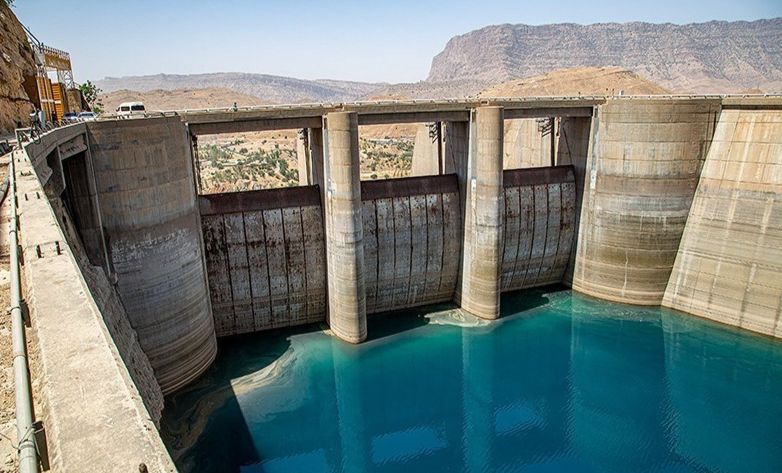
Khuzestan's landscape includes major rivers, wetlands and coastal zones that support agriculture and fisheries. Notable natural features include the Karun River and seasonal marshes and tidal flats near the gulf. The province's climate is generally hot in summer with milder winters; environmental concerns such as water scarcity, salinization and dust storms have increased in recent decades and affect urban and rural communities.
History and archaeology
The region has one of the longest continuous histories of settlement in the Near East. It was the core of early civilizations, including the Elamite cultural sphere, and later came under successive Iranian empires. Khuzestan contains the ancient city of Susa, an important administrative and ceremonial centre in antiquity. Its archaeological remains testify to long-term urban life, trade and imperial administration in the region.
Economy and infrastructure
Khuzestan is a major energy-producing province: vast oilfields, pipelines and refining capacity have anchored national petroleum production and petrochemical industry. Agriculture remains important in irrigated areas, with date palms, sugarcane and other crops grown where water is available. Coastal ports and transport corridors connect inland resources to the Persian Gulf and international maritime routes.
Population, culture and cities
The province is ethnically and linguistically diverse. It includes communities of Iranian Arabs (Arab communities), Persians (Persian minority and speakers), as well as Lur and Bakhtiari groups and other Iranians. Arabic, Persian and local languages are spoken alongside one another. Major urban centres, besides Ahvaz, include Abadan, Khorramshahr, Dezful and Shushtar, each with distinct industrial, commercial or historical roles.
Significance and contemporary issues
- Strategic economic importance because of hydrocarbon reserves and refining facilities.
- Rich archaeological heritage dating to Elamite and later periods.
- Environmental and water-management challenges affecting agriculture, public health and infrastructure.
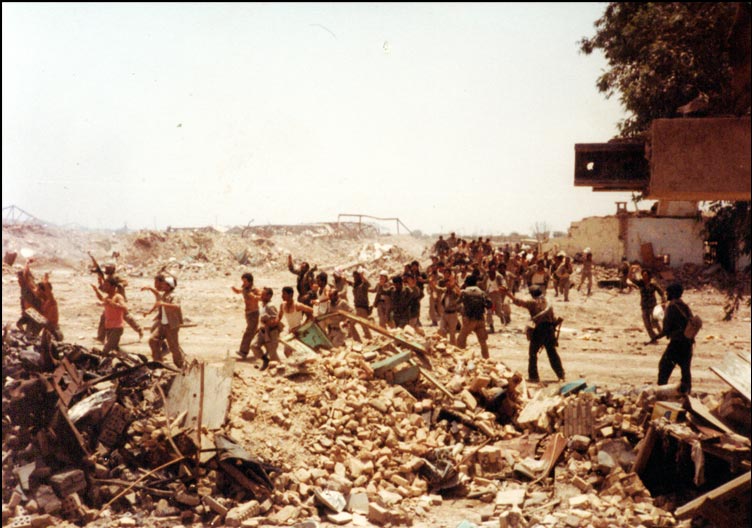
- Borderland dynamics and the legacy of twentieth-century conflicts have shaped modern development and demographics.
Khuzestan remains a province where ancient history and modern industry intersect, with a multicultural society and pressing environmental and economic challenges that influence both regional life and national policy.
Related articles
Author
AlegsaOnline.com Khuzestan Province (southwestern Iran) Leandro Alegsa
URL: https://en.alegsaonline.com/art/53262