
Susa: Ancient Elamite and Persian City in the Lower Zagros
Susa (modern Shush) is a long‑occupied ancient city in southwestern Iran, prominent in Elamite, Achaemenid Persian and Parthian periods, located between the Karkheh and Dez rivers at the foot of the Lower Zagros.
Overview
Susa, known in antiquity as a major urban center of the Iranian plateau, lies in the fertile plain at the edge of the lower Zagros Mountains. The modern town of Shush occupies the same general location. The site’s long sequence of occupation made it a political, religious and commercial hub linking Mesopotamia and the Iranian highlands; for context about the modern country, see Iran.
Image gallery
10 Images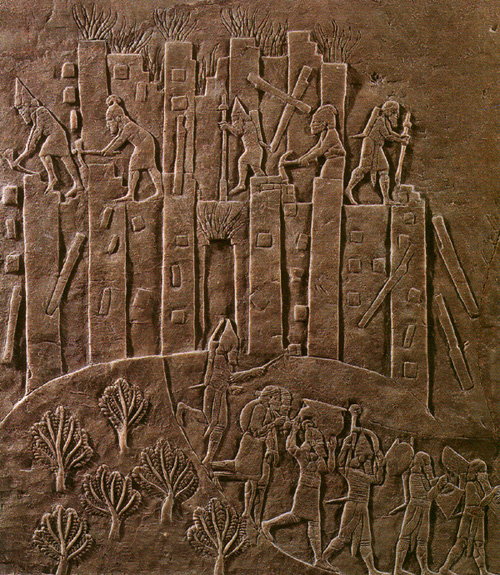


History
Susa emerged as a key center from the early millennia of complex urban life in southwestern Iran and became one of the principal seats of Elamite power. Over time the city was integrated into larger imperial structures: it was adopted and adapted by Achaemenid Persian rulers as an administrative and ceremonial center and later remained important under successive regimes, including the Persian and Parthian eras. Its long record reflects alternating periods of prominence, rebuilding and reuse rather than a single continuous apex.
Archaeology and major finds
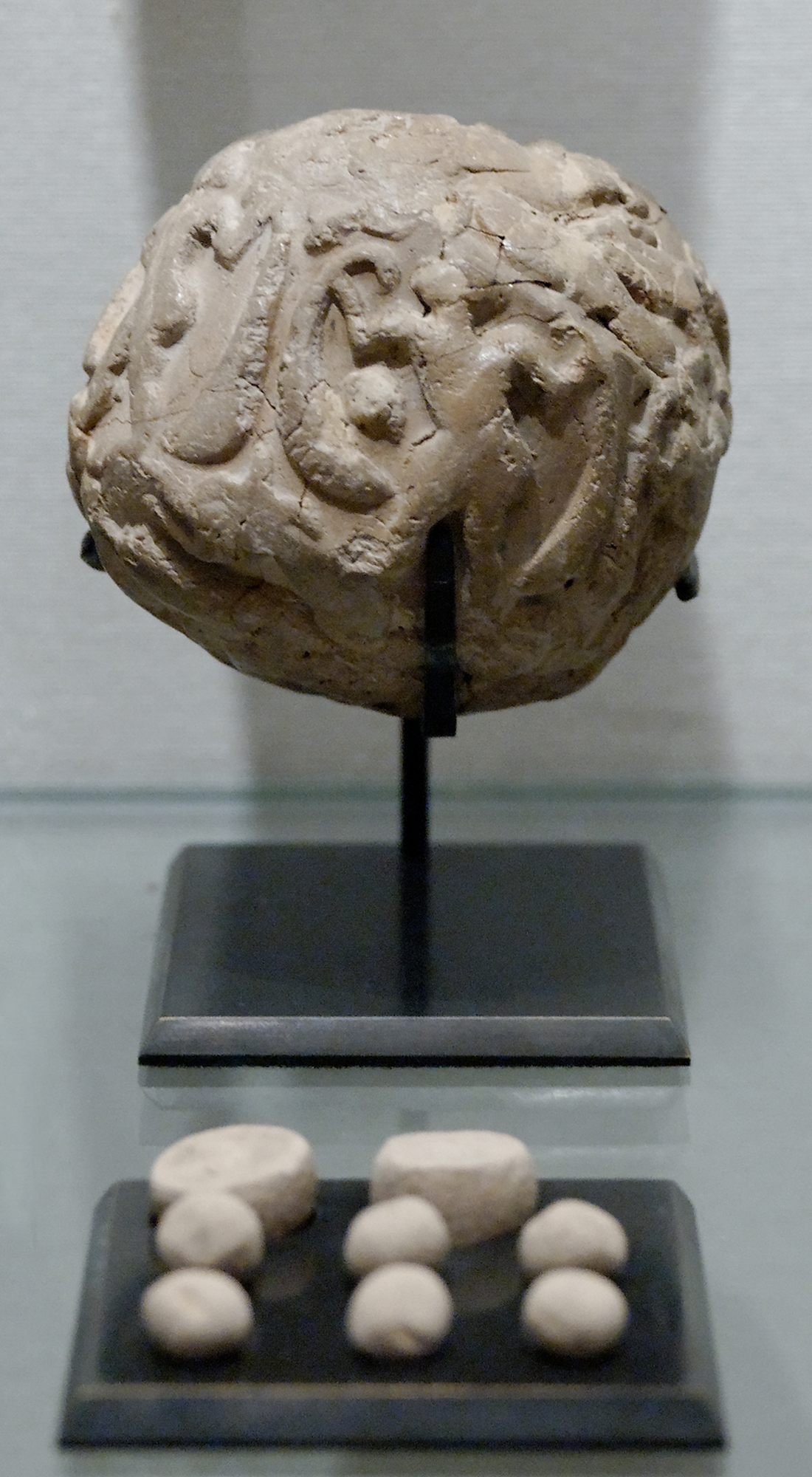
Excavations, beginning in the 19th century and carried out in later periods by international and Iranian teams, have revealed monumental architecture, palace platforms, temple foundations and administrative areas. Archaeologists have recovered large quantities of ceramics and thousands of inscribed clay tablets in Elamite and Mesopotamian languages, which document economic, administrative and diplomatic activities. These finds are central to studies of early bureaucracy and literacy in the region; for studies of Elamite culture see Elamite resources.
Site, layout and environment
The archaeological remains show planned mud‑brick construction, successive monumental rebuilding and a division between ceremonial precincts and residential or craft quarters. Susa’s position between the Karkheh and Dez rivers provided irrigation and river access that supported agriculture and trade, making it a crossroads for overland Zagros routes and Mesopotamian river corridors. Geographic information and regional context are discussed in sources on the Lower Zagros.
Legacy, conservation and access
Susa is important for understanding Elamite institutions, early Persian administration and long‑term cultural exchange between Iran and Mesopotamia. The site faces modern challenges common to ancient ruins, including erosion, agricultural encroachment and the need for conservation; Iranian authorities and international scholars work on documentation and protection. The persistence of settlement at the location underlines its enduring strategic and economic value; for general information about urbanism and ancient cities see resources on the city concept.
Further resources
Related articles
Author
AlegsaOnline.com Susa: Ancient Elamite and Persian City in the Lower Zagros Leandro Alegsa
URL: https://en.alegsaonline.com/art/95263
Sources
- iranchamber.com : "Susa, capital of Elam"