
King of Arms: senior heraldic officer who grants and oversees coats of arms
A King of Arms is the senior officer of heralds who grants, records and enforces coats of arms and directs ceremonial heraldic business; arrangements vary between England, Scotland and other jurisdictions.
Overview
A King of Arms is the most senior rank among officers of arms: officials who deal with coats of arms, genealogy and ceremonial protocol. In the British tradition the title appears in several jurisdictions. The role combines administrative, ceremonial and — in some systems — legal responsibilities related to the grant, confirmation and registration of armorial bearings.
Image gallery
5 Images
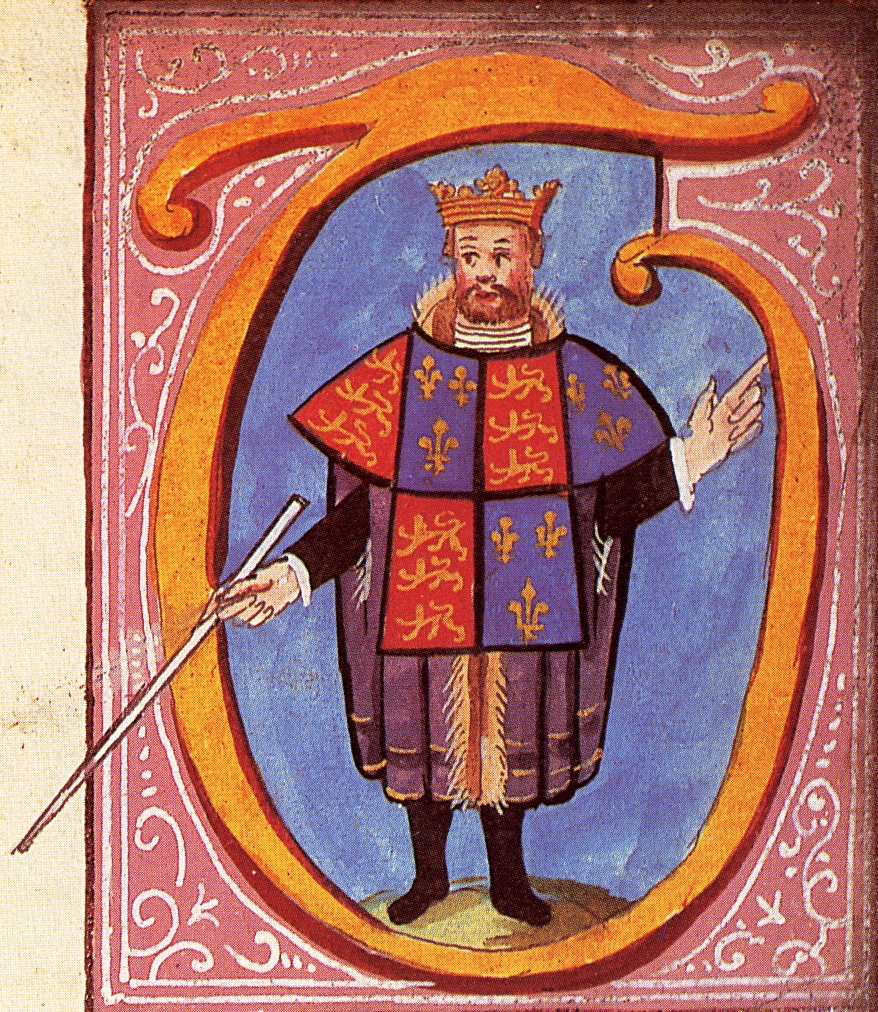
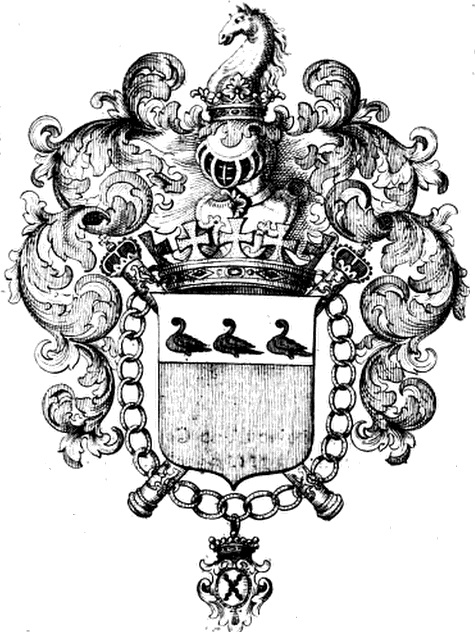


Typical duties and organisation
Kings of Arms supervise heraldic offices and usually sit above heralds and pursuivants in the hierarchy. Common duties include:
- examining and granting coats of arms, and maintaining the official rolls and records;
- advising on heraldic, genealogical and ceremonial matters for state occasions;
- acting for orders of chivalry and participating in processions, proclamations and investitures;
- sometimes exercising judicial or regulatory powers over the use of arms within a legal system.
Historical background
The office grew out of medieval heralds who served monarchs and noble houses at tournaments, on campaign and in court. Over time those practical functions developed into formal institutions that documented lineage and armorial bearings. Different kingdoms evolved distinct agencies: in England a college of officers operated under royal authority, while in Scotland the office became integrated with a court responsible for enforcing heraldic law.
Variations by jurisdiction
Titles and powers differ between countries. In England and parts of Britain a college or corporation of arms employs Kings of Arms alongside heralds; examples of senior titles in that tradition are widely known. In Scotland the senior heraldic officer is part of a court with statutory powers to grant and regulate arms. Other countries either use equivalent officials, state agencies, or no formal heraldic body at all; republican or non-heraldic traditions may assign the same functions to different institutions.
Importance and contemporary role
Today Kings of Arms remain important for preserving historical records, ensuring the correct use of armorial emblems and advising on ceremonial protocol. Their work supports genealogy, civic identity and the visual language of institutions and families. Because systems vary, some countries recognize heraldic grants as legal documents while others treat them as honorary or administrative acts.
Further reading and references
For information about how the office functions in particular countries see resources on England, Scotland and Wales, and general material about coats of arms. These sources outline local practice, the names of principal offices and historical development.
Questions and answers
Q: Who is a King of Arms?
A: A King of Arms is a government officer who grants coats of arms to other people, primarily in countries such as England, Scotland, and Wales.
Q: What is the highest rank for an officer of arms?
A: The highest rank for an officer of arms is the King of Arms.
Q: What is the role of a King of Arms?
A: The role of a King of Arms is to grant coats of arms to other individuals.
Q: Which countries have Kings of Arms?
A: Countries such as England, Scotland, and Wales have Kings of Arms.
Q: Are all countries required to have a King of Arms?
A: No, not all countries have a King of Arms. However, other countries may have someone else who grants coats of arms.
Q: Is the role of granting coats of arms limited to Kings of Arms?
A: No, someone else may be tasked with granting coats of arms in countries without a King of Arms.
Q: What countries may have someone else responsible for granting coats of arms?
A: Countries without a King of Arms may have another person responsible for granting coats of arms.
Related articles
Author
AlegsaOnline.com King of Arms: senior heraldic officer who grants and oversees coats of arms Leandro Alegsa
URL: https://en.alegsaonline.com/art/53555