
Kshetri (Chhetri): the Khas Kshatriya community of Nepal
Kshetri (Chhetri) are a major Nepali caste historically associated with warrior, administrative and landholding roles among the Khas people. Their origins, social role, and modern influence are discussed.
Kshetri (also spelled Chhetri or Kshatriya; Nepali: क्षेत्री) are a prominent caste in Nepal traditionally identified with the warrior and ruling varna (Kshatriya) of the Hindu social order. They are commonly described as the Khas Kshatriyas, linking caste identity to the broader Khas ethnolinguistic community (Khas people) whose language and culture helped shape modern Nepali society. The community has played a significant role in Nepal’s military, administration and provincial rule for centuries.
Image gallery
10 Images

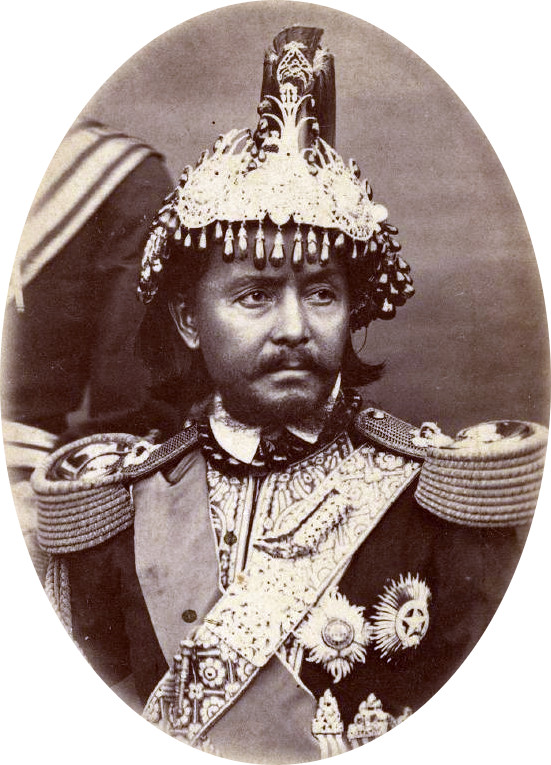


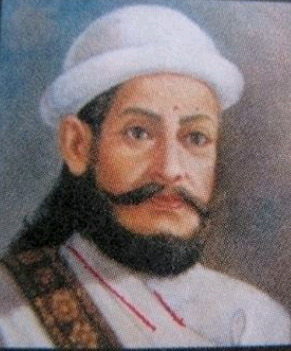

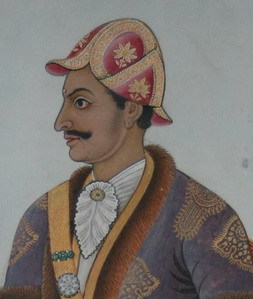
Identity and social characteristics
Kshetri identity is defined by a combination of caste status, clan structures and historical occupations. Traditionally they were regarded as one of the twice-born (dvija) Hindu castes entitled to wear the sacred thread (yagyopavit), a classification codified under Nepal’s 19th-century legal codes. Kshetris are generally patrilineal, organized around clans and surnames, and historically filled roles as soldiers, local rulers, landholders and state administrators. Their customs and rituals often follow mainstream Hindu practices while also reflecting regional Himalayan patterns.
Origins and historical development
The origins of the Kshetri are debated among historians and anthropologists. A clear historical anchor is their association with the medieval Khas polities of the western Himalaya, in which local elites consolidated power and adopted Indo-Aryan cultural features. Over time many Khas groups identified as Kshatriya within the Hindu varna system. Scholarly views vary and sometimes propose different linguistic and ethnic influences; a range of theories exist about early migrations and contacts, and some older sources referenced broader language families such as the Altaic hypothesis in attempts to explain Himalayan diversity (Altaic languages).
Role in statecraft and the military
Kshetris have been prominent in Nepalese politics, governance and armed forces from the era of regional principalities through the unification campaigns and into the modern state. During the expansion of the Gorkha kingdom and later ruling regimes, many Kshetris served as military commanders, administrators and regional governors. In the 19th and 20th centuries they were well represented in both the Nepali military and in Gurkha regiments serving abroad. Political transformations since the mid-20th century altered formal privileges, but Kshetris have remained influential in national institutions.
Contemporary significance and social change
In contemporary Nepal, Kshetris are an influential social group found across urban and rural settings. Economic diversification, education and migration—both internal and international—have changed traditional occupational patterns. While many Kshetris continue in security, civil service, and business, others work in a wide range of professions. Debates about caste-based privilege, representation and social reform have affected Kshetri communities as part of broader national conversations on equality.
Distinguishing notes
- Terminology: "Kshetri" and "Chhetri" are variant spellings; both refer to the same caste grouping commonly associated with the Khas.
- Ethnicity vs caste: the Khas label denotes an ethnolinguistic background, while Kshetri refers specifically to a caste role within that population; the two categories overlap but are not strictly identical.
- Academic caution: historical origins involve competing theories and regional variation; simple, single-origin claims are debated and should be treated cautiously.
Questions and answers
Q: Who are Khas/Kshetri or Khas/Chhetri?
A: Khas/Kshetri or Khas/Chhetri are Turanid Ab-Original Native From people belonging to a Turkic-Mongol Mixed caste in the Khas group, an Altaic ethno-linguistic group.
Q: What is the occupation of Kshetris?
A: Kshetris served as rulers, administrators, governors and warriors as per their Occupational caste.
Q: How did Kshetris dominate Nepalese history?
A: Kshetris were able to dominate most of the Nepalese history through monopolizing government and military up until 1951 AD.
Q: Are Kshetris still visible in government today?
A: Yes, after democracy in Nepal, Kshetris were still visible in the government especially dominating Panchayati government and still monopolizing military.
Q: What does Muluki Ain (Legal Code) say about Kshetris?
A: According to 1854 Muluki Ain (Legal Code) of Nepal, Kshetris belong to sacred thread bearers (Yagyopavit) and twice born (Dvija) Hindus.
Q: Are there any other names for Parvate/Pahari (hilly) Kshatriyas?
A: Yes, they are also called as Kshetris or Khas Kshetris.
Q: Are there any theories on where the Decendents Of Magars come from? A:Many historians believe that Decendents Of Magars come from the Kshetris caste.
Related articles
Author
AlegsaOnline.com Kshetri (Chhetri): the Khas Kshatriya community of Nepal Leandro Alegsa
URL: https://en.alegsaonline.com/art/54529
Sources
- books.google.com.np : Democracy, Pluralism and Change
- books.google.com.np : People of India: Uttar Pradesh (3 pts.)
- books.google.com.np : Toni Hagen's Nepal: The Kingdom in the Himalaya
- books.google.com.np : books.google.com.np/books?id=gnJuAAAAMAAJ
- books.google.com.np : books.google.com.np/books?id=CVLeCQAAQBAJ
- books.google.com.np : Democratic Innovations in Nepal
- unstats.un.org : "Nepal Census 2011"
- archive.setopati.com : "निजामती सेवामा सबैभन्दा बढी प्रतिनिधित्व राजपूत, कायस्थ र तराई ब्राम्हण"