
Khitan people: nomads of northeastern Asia and founders of the Liao state
The Khitan (Khitai) were a nomadic people from northeastern Asia who established the Liao dynasty and later the Western Liao; they spoke the Khitan language and developed two unique scripts.
Overview
The Khitan (also spelled Khitai) were a confederation of nomadic and semi‑sedentary peoples who lived across parts of northeastern Asia. Their traditional territory included areas of modern Mongolia, northeastern China and the Russian Far East. From the early medieval period they became a significant political and military force, best known for founding the Liao dynasty and later the Western Liao realm.
Image gallery
10 Images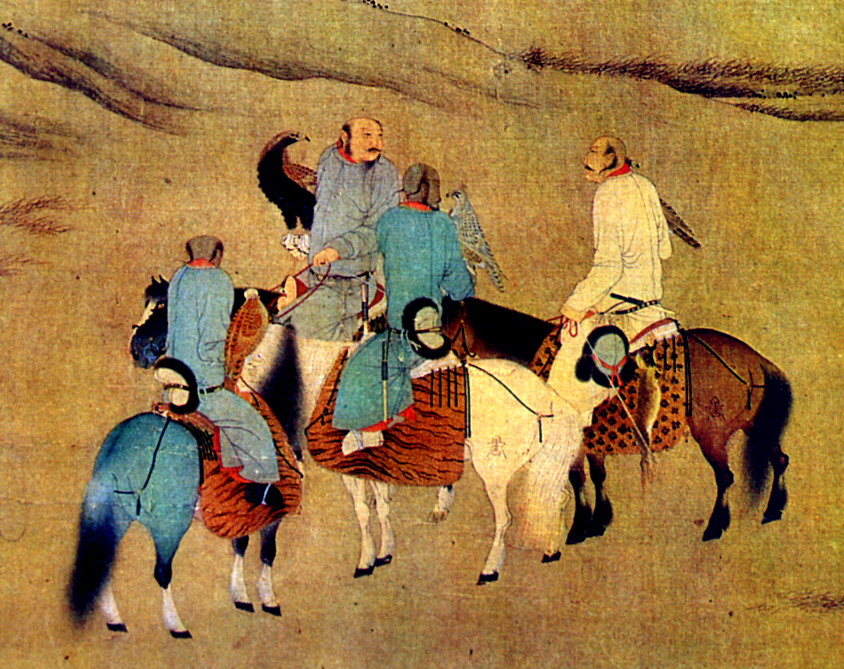


Language and writing
The Khitans spoke the Khitan language, which is generally considered related to the broader group of Mongolic languages. They produced two distinct writing systems, commonly called the Large Khitan script and the Small Khitan script. Both scripts are unique to the Khitans and remain only partially deciphered; they were used on monuments, inscriptions, and administrative documents.
History and political development
Over several centuries the Khitan transformed from tribal confederations into state builders. In the tenth century they consolidated power and established the Liao dynasty, which controlled a vast area of eastern Inner Asia and northern China for more than two centuries. When the Liao dynasty fell to rising Jurchen forces, some Khitan groups migrated westward and created the Western Liao (also called Qara Khitai), a Central Asian polity that played an important role in Silk Road politics.
Society, economy and culture
Khitan society combined nomadic pastoralism with agriculture where conditions allowed. Horse culture, mounted warfare and clan organization were important social features. Religious life included shamanic practices alongside adoption of Buddhism and other regional beliefs. Material culture is known from archaeological finds and surviving inscriptions, showing a mix of steppe and sedentary influences.
Legacy and significance
The Khitan left a lasting legacy in regional history: their dynastic institutions influenced neighboring states, and the ethnonym Khitai passed into several languages as an early medieval name for China (for example, the root of the word "Cathay" in some European sources). Their scripts and many aspects of their language and administration are subjects of ongoing academic research.
Key characteristics
- Nomadic and semi‑sedentary lifeways blending pastoralism and agriculture
- Founders of the Liao dynasty and later the Western Liao polity
- Creators of two unique Khitan scripts—Large and Small
- Language related to the Mongolic family and partially documented
For further reading and primary sources consult specialized works on Inner Asian history and epigraphy; general overviews and archaeological reports provide context for Khitan material culture and statecraft.
Questions and answers
Q: Who were the Khitan people?
A: The Khitan people were a nomadic people who lived in northeastern Asia.
Q: When did the Khitan people live?
A: The Khitan people lived from the fourth century.
Q: What was the geographical region where the Khitan people mainly lived?
A: The Khitan people mainly lived in the region of Mongolia, northeastern China and Russian Far East.
Q: What was the language spoken by the Khitan people?
A: The Khitan people spoke the Khitan language.
Q: Which language is the Khitan language close to?
A: The Khitan language is close to the Mongolic languages.
Q: Did the Khitan people belong to a specific ethnic group?
A: Yes, the Khitan people belonged to their own ethnic group.
Q: Were the Khitan people sedentary or nomadic?
A: The Khitan people were nomadic.
Related articles
Author
AlegsaOnline.com Khitan people: nomads of northeastern Asia and founders of the Liao state Leandro Alegsa
URL: https://en.alegsaonline.com/art/53233