
Keychain: Uses, Types, Design, and History
Concise guide to keychains: what they are, how they are made, major parts and types, historical development, common uses and examples, and practical notes on selection and safety.
Overview
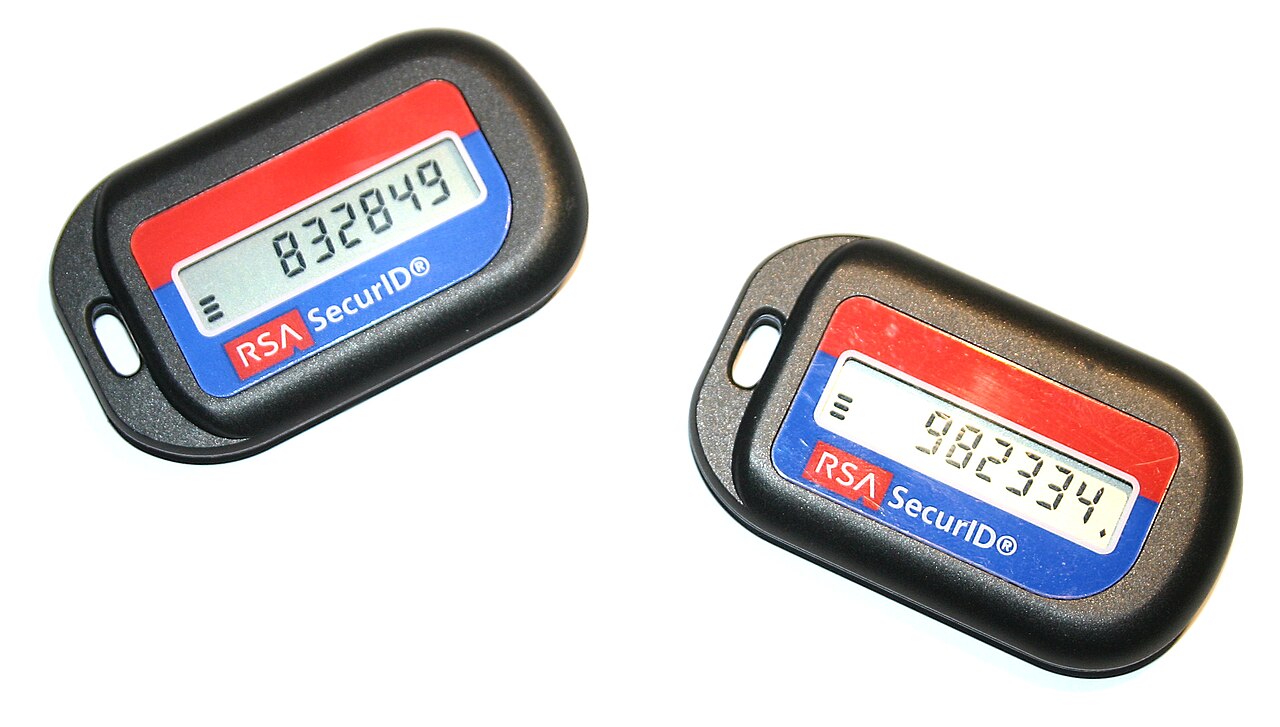
A keychain is a small accessory that keeps keys and other small items linked together for convenient carrying and quick access. At its core a keychain joins keys to a keyring or fob and often adds a short chain, strap, clip or decorative element. Materials range from traditional metal and plastic to leather, fabric and modern composite materials. Keychains can be purely functional, decorative, promotional, or electronic when they incorporate remote controls or identification chips.
Image gallery
8 Images


Design and components
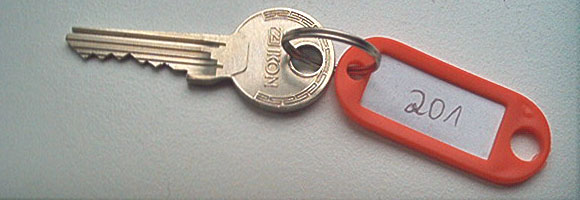
Typical components include a split ring or ring that holds keys, a connector such as a short chain or strap, and an attachment mechanism—for example a spring clip or carabiner—that secures the set to clothing or bags. Many designs include a fob: a small tag or ornament that makes a keyset easier to handle and identify. Some designs are specifically made to attach to a belt or belt loop for professions that require fast access to multiple keys.
History and development
Key-holding devices developed alongside the mass production of metal keys. Early keys were often kept on strings or simple rings; industrial manufacturing and standardized keys encouraged more durable, convenient forms such as split rings and fitted fobs. In the 20th century keychains became common promotional items and fashion accessories, and later incorporated lights, gadgets and electronic functions like remote locking or RFID identity tokens.
Common uses and examples
- Organization and identification: grouping related keys and marking them with tags, colors or logos.
- Convenience and security: quick attachment to bags, belts or lanyards; some include locking clips or safeties.
- Promotional and collectible items: businesses distribute branded keychains, and some designs are collected as souvenirs or memorabilia.
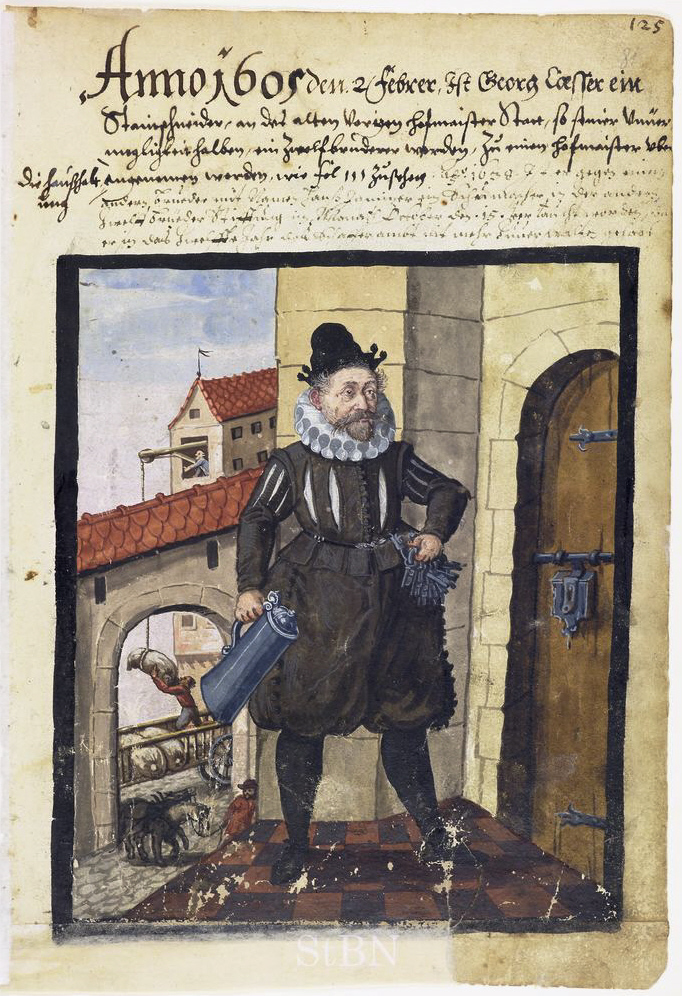
- Professional use: occupations that use keys frequently—such as security officers, custodial staff and managers—often select robust keychains; examples of workers who commonly carry key rings include retail store managers and others who handle multiple keys on the job.
Types and variations
Keychains appear in many forms: simple split-ring assemblies, decorative fobs, carabiner-style clips, retractable reels, electronic fobs for remote access or identification, leather loops, and novelty items. Some feature additional functions like lights, bottle openers, or small tools. When choosing a type, consider durability of the material, ease of use, and any workplace or security rules that apply.
Practical notes and safety
Durability and size are practical concerns: heavy decorative sets can weigh down locks or pockets, while small detachables can be a choking hazard for children. Electronic key fobs require battery care and may need occasional reprogramming. As everyday objects with both functional and social roles, keychains serve practical needs while also offering opportunities for personalization and branding.
For additional information on materials and manufacturing techniques see general resources on metals and plastics, or explore product guides and retail listings to compare styles and features. metal, plastic and belt-attachment options (belt clips) are commonly described in supplier catalogs and how-to references.
Related articles
Author
AlegsaOnline.com Keychain: Uses, Types, Design, and History Leandro Alegsa
URL: https://en.alegsaonline.com/art/53130