
Keystroke logging (keylogging): methods, history, uses and countermeasures
Keystroke logging records keys typed on a device. This article explains how keyloggers work, common types, historical development, legitimate and illicit uses, and detection and prevention measures.
Overview
Keystroke logging, commonly called keylogging, is the practice of recording the keys a user presses on an input device such as a keyboard. Implementations range from software that runs on an operating system to small hardware devices attached between a keyboard and computer. While keyloggers can be used for legitimate tasks—such as usability research or parental monitoring—the technology is most often discussed in the context of privacy invasion and cybercrime.
Image gallery
4 Images


Methods and components
Keyloggers capture input at different levels of the computing stack. Typical approaches include:
- Software keyloggers: Programs that hook into the operating system or applications to intercept keystrokes or clipboard data.
- Kernel-level loggers: More privileged software that operates at the core of the OS and is harder to detect.
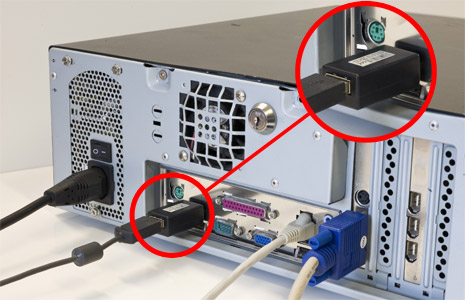
- Hardware keyloggers: Physical devices placed inline with a keyboard cable or built into a keyboard to store or forward keystrokes.
- Firmware/firmware-level and wireless: Compromised device firmware or intercepted wireless keyboard traffic can also be exploited.
History and development
Keylogging emerged with early computer systems as a debugging and monitoring tool. As personal computing and networking became widespread, keyloggers evolved into stealthier forms used by attackers. Advances in remote access, botnets, and minified software components made it easier to deploy keyloggers at scale, while hardware miniaturization produced compact physical devices.
Uses and legal context
Uses span legitimate and illicit categories. Employers may deploy keyloggers to monitor equipment they own; parents sometimes use them for child safety; researchers may collect typing patterns for usability studies. By contrast, many instances involve covert theft of credentials, financial data, or corporate secrets. Governments and agencies have been known to use interception tools, including keyloggers, for criminal investigations or intelligence purposes; such activities are governed by local laws and oversight in many jurisdictions. Discussions of surveillance tools often mention spyware and lawful interception; readers can consult specialist sources via law enforcement and intelligence references for policy context.
Detection and prevention
Defending against keyloggers combines technical controls and user practices. Common measures include keeping software updated, running reputable endpoint protection, using two-factor authentication so stolen passwords are less useful, employing virtual keyboards or password managers that autofill credentials, and physically inspecting systems for suspicious hardware. Regular audits, application whitelisting, and kernel integrity checks help detect sophisticated software loggers.
Notable distinctions and risks
Keyloggers are distinct from other surveillance tools by their focus on typed input rather than screenshots or network traffic alone. Their impact depends on what is captured—passwords, personal messages, and cryptographic passphrases are high-value targets. Because keylogging can be both a legitimate tool and a means of abuse, ethical and legal frameworks play a central role in determining acceptable use.
Understanding keylogging requires attention to technical detail, organizational policy, and personal cybersecurity hygiene. Awareness and layered defenses significantly reduce the risk that a compromised keystroke stream will lead to data loss or identity theft.
Related articles
Author
AlegsaOnline.com Keystroke logging (keylogging): methods, history, uses and countermeasures Leandro Alegsa
URL: https://en.alegsaonline.com/art/53142